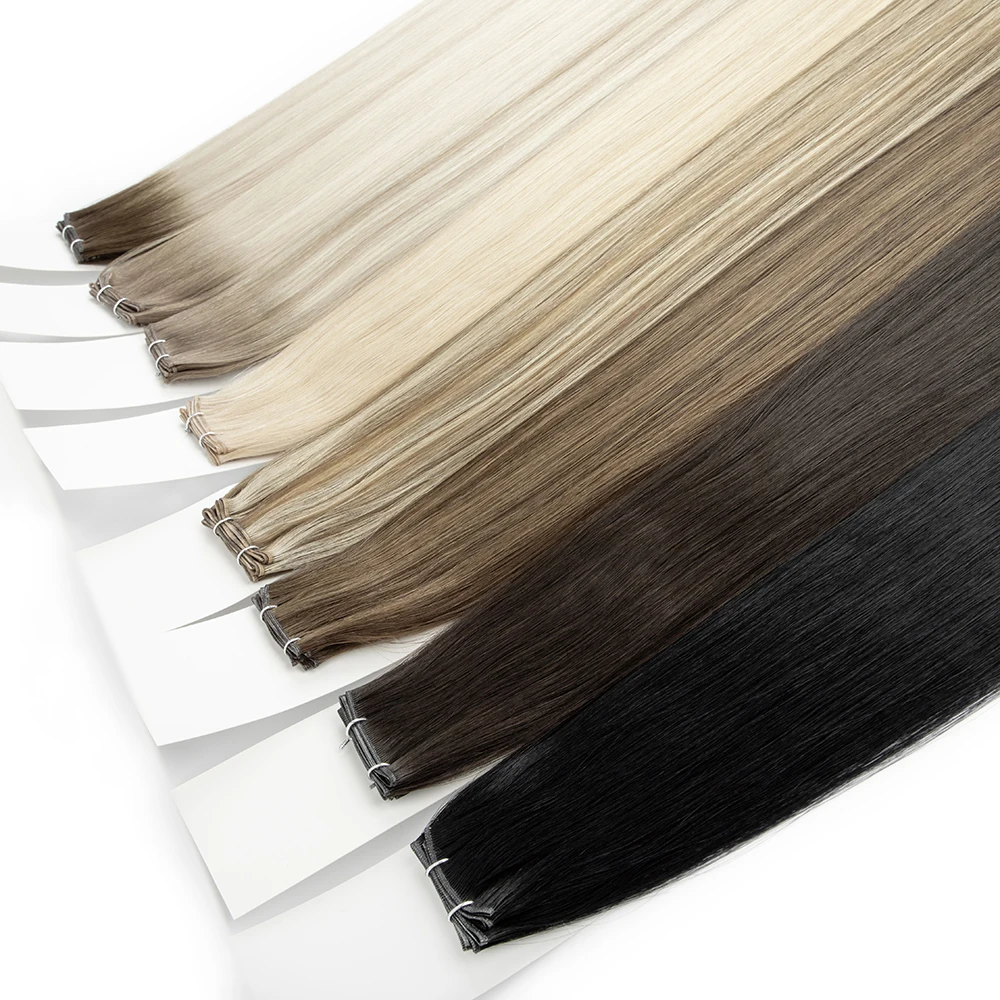
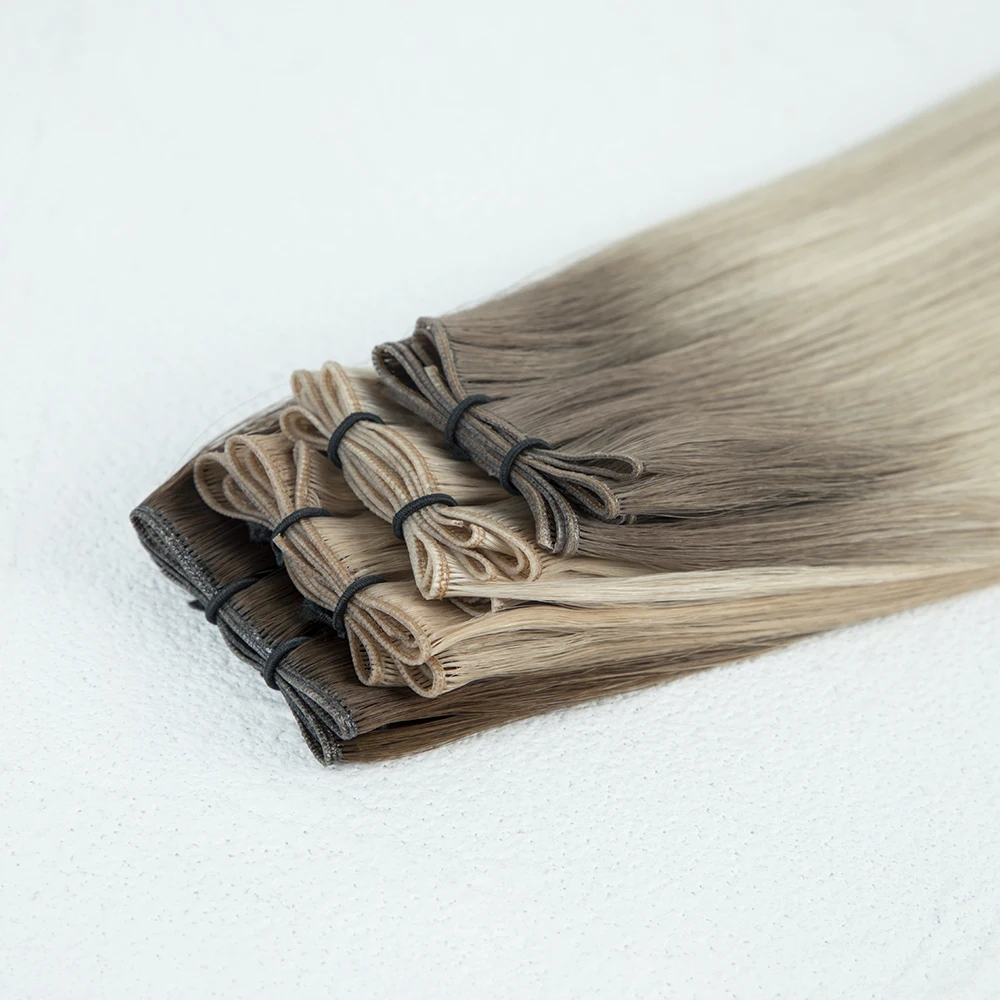
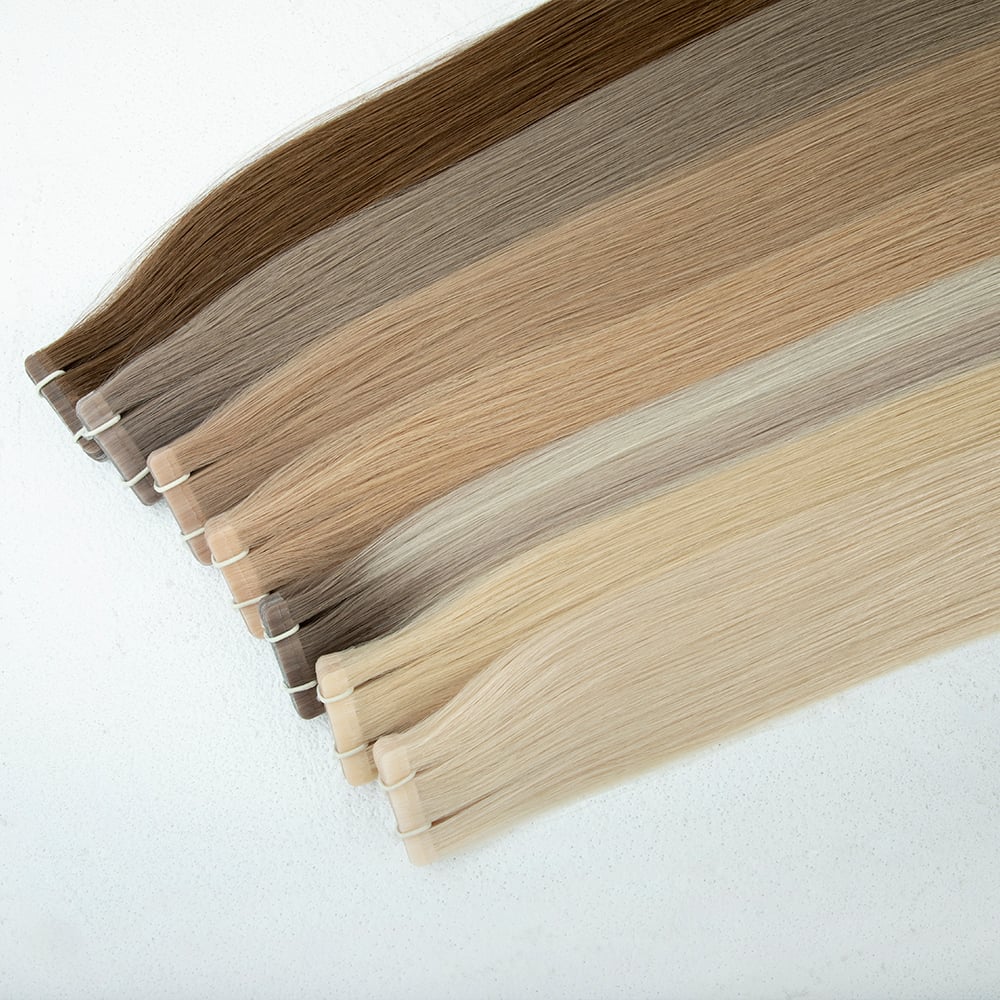
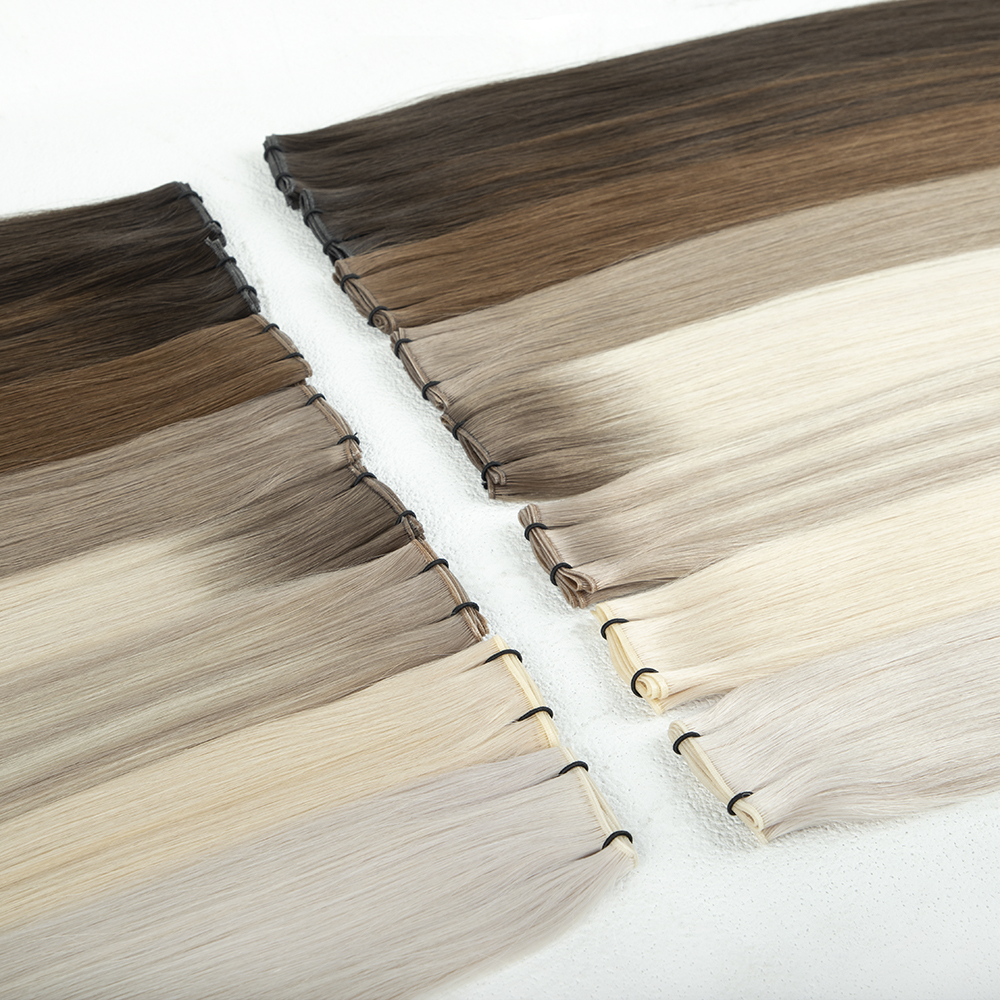
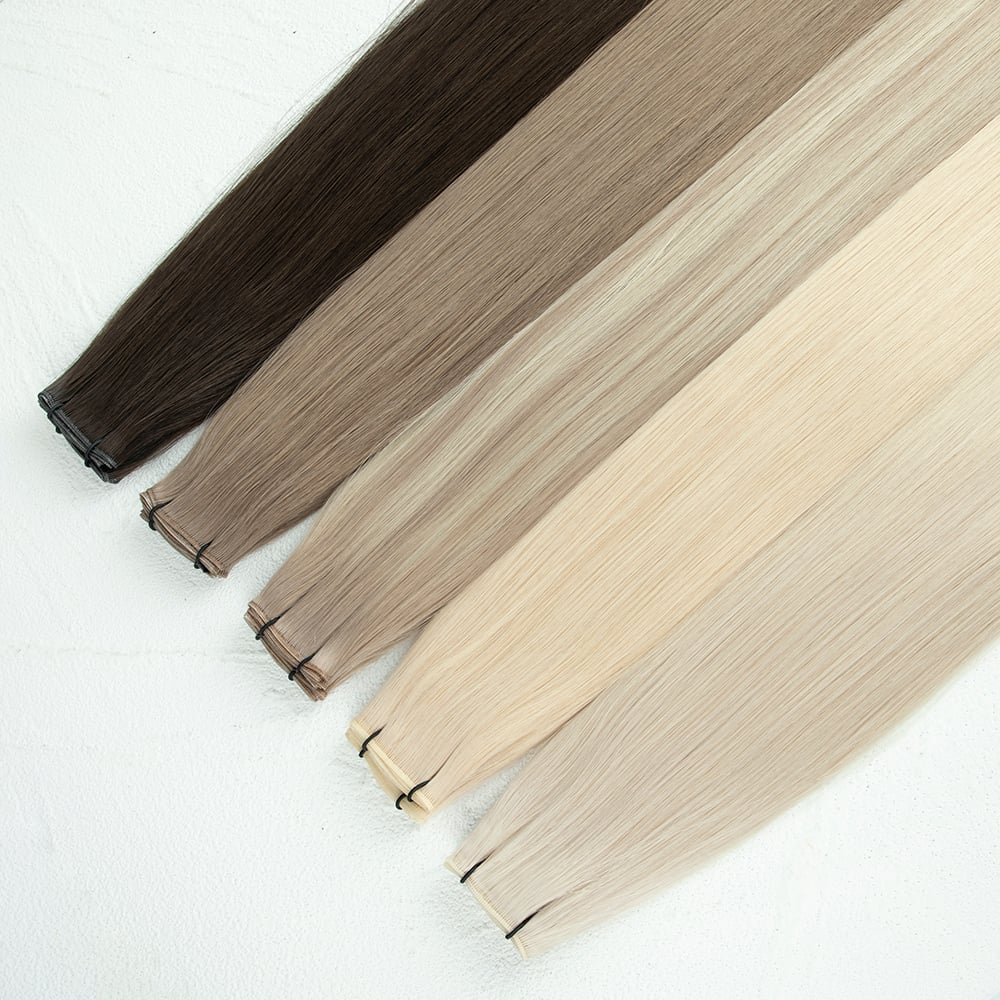
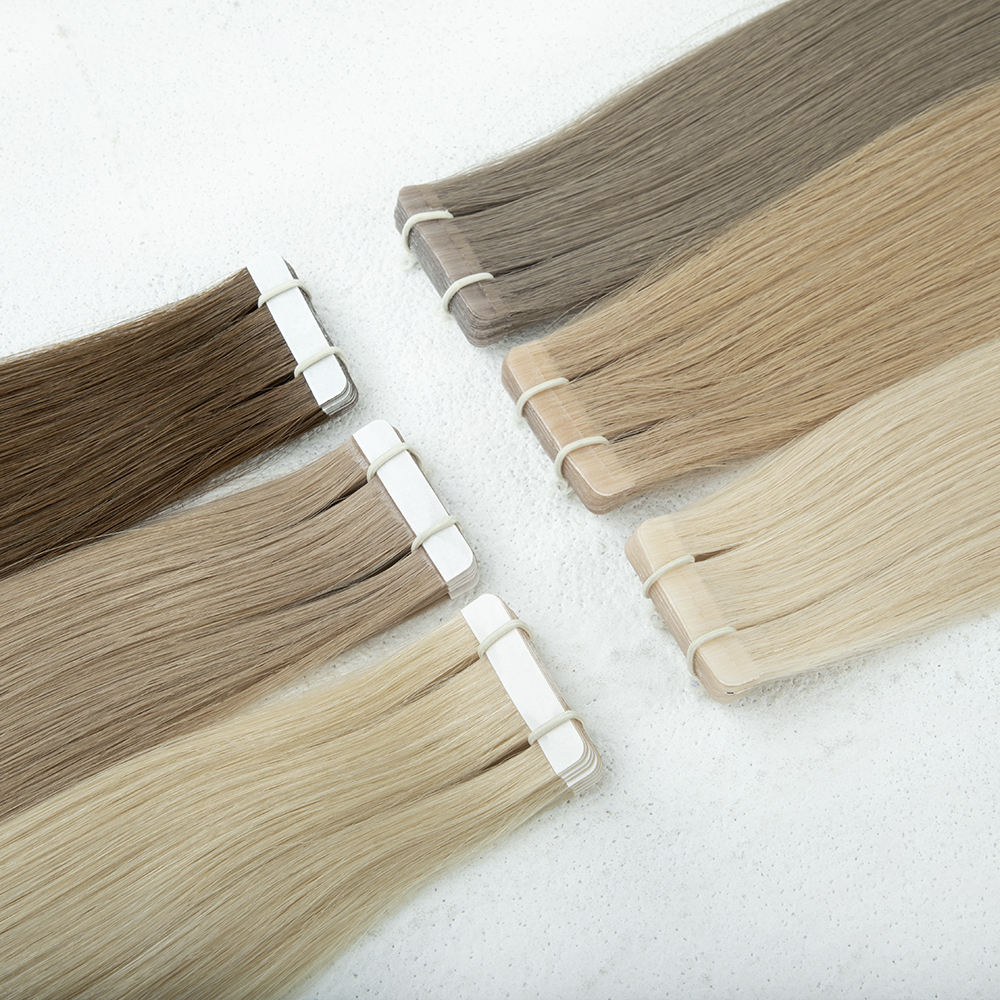
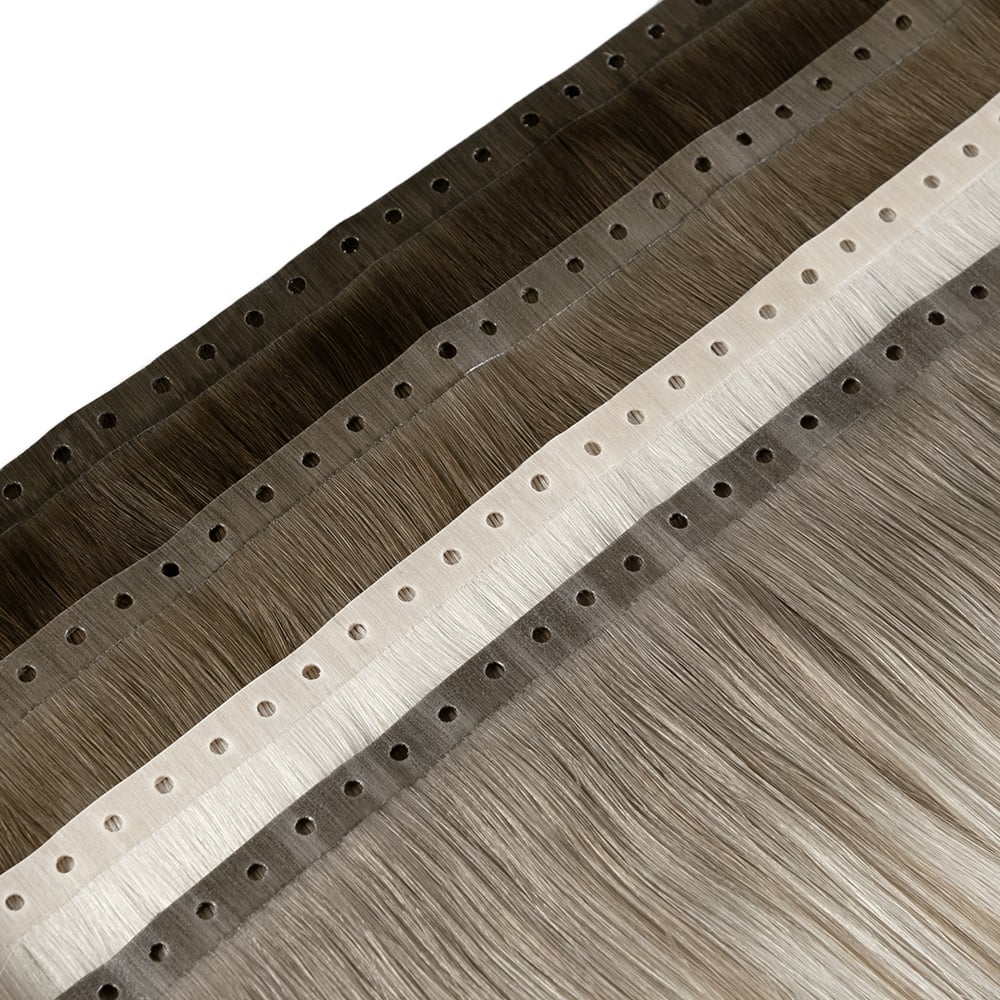
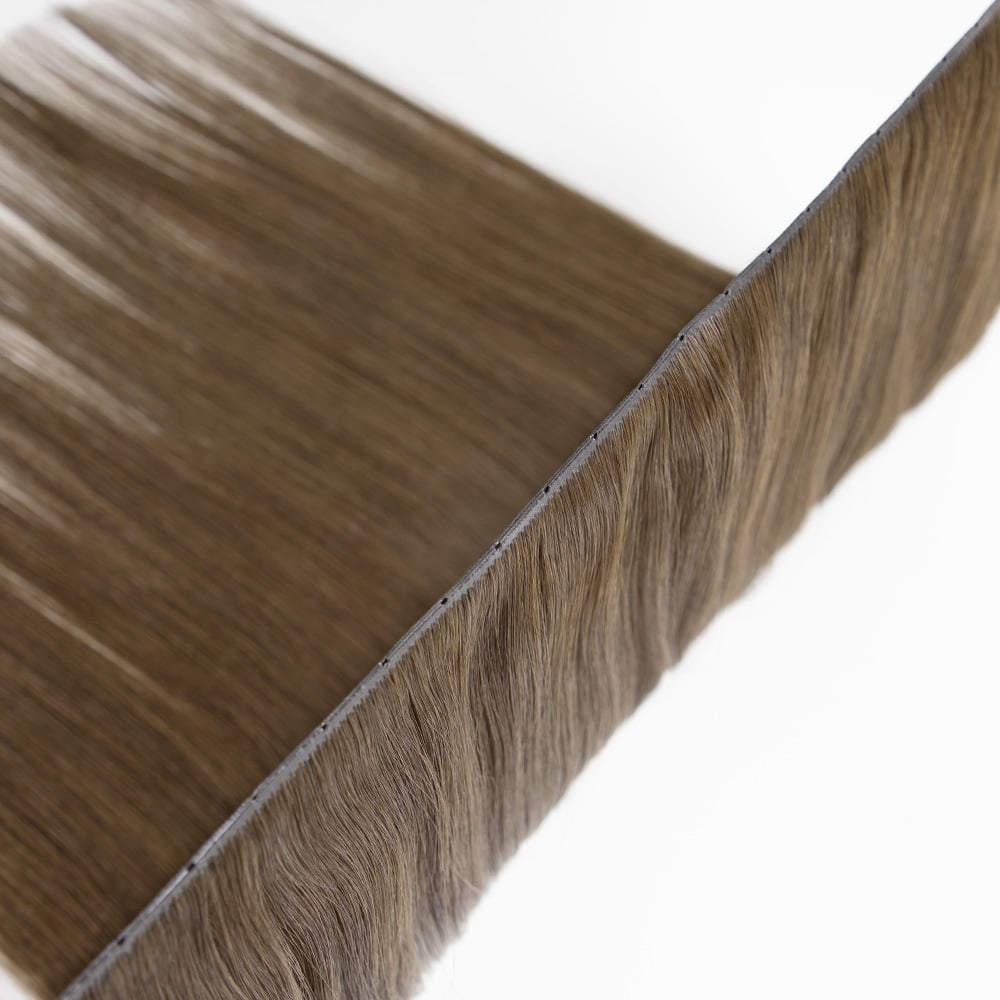
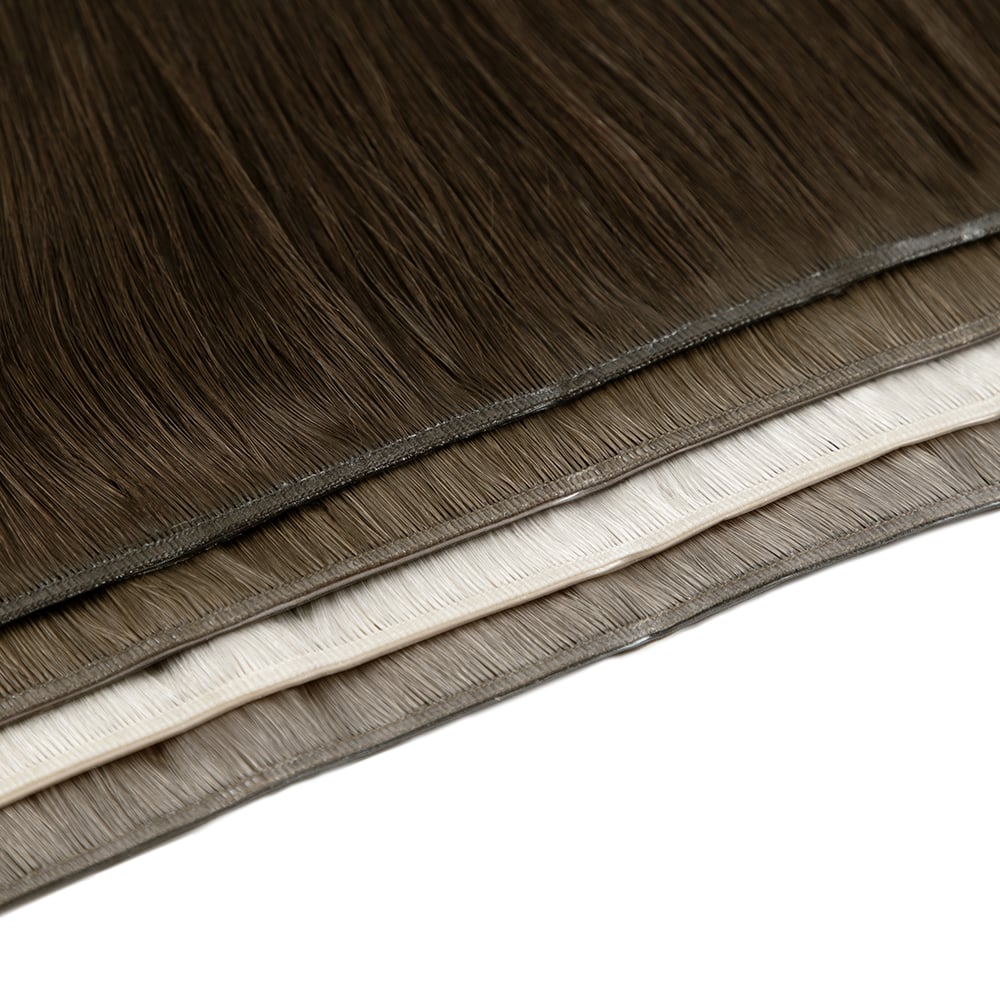
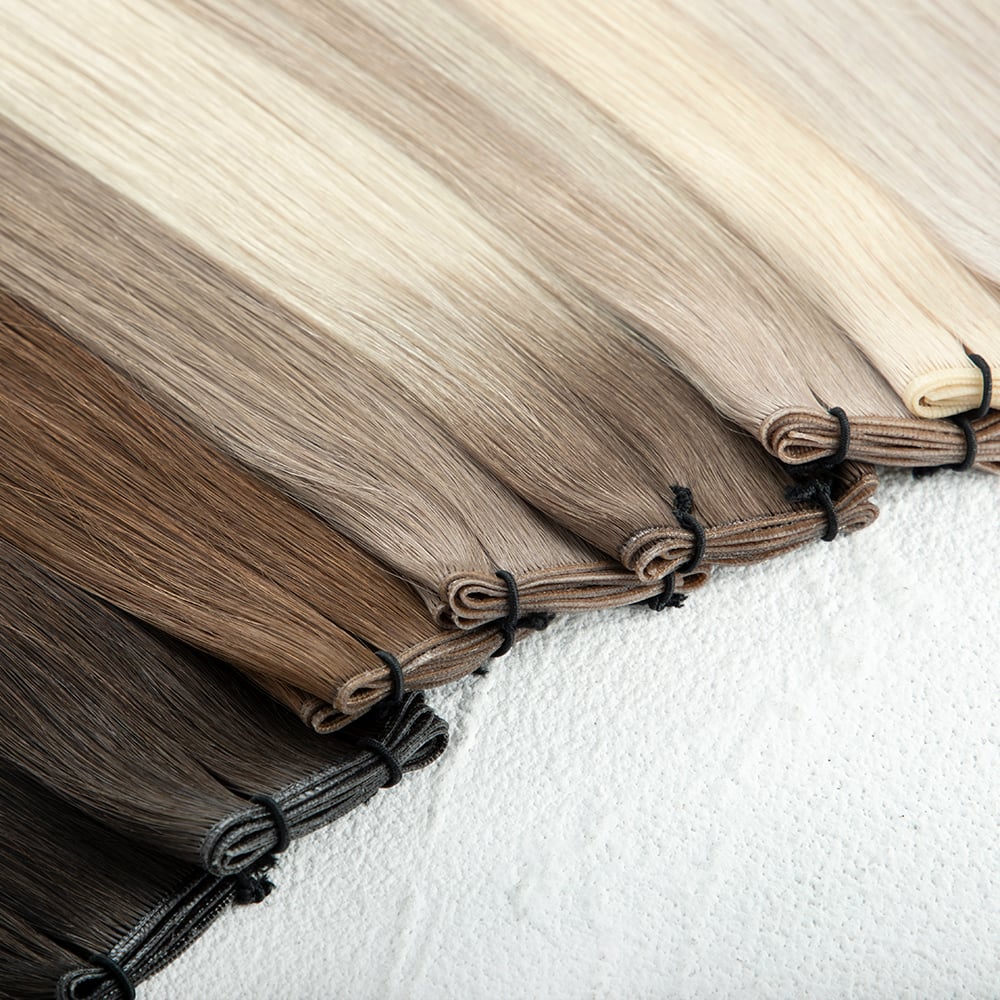
flat weft
A flat weft is a essential component in modern weaving and textile production, designed to create smooth, uniform fabric surfaces with minimal defects. This specialized weft system operates by interlacing horizontal threads through vertical warp threads, producing durable textiles used across multiple industries. The flat weft technology represents a significant advancement in fabric construction, offering manufacturers precise control over thread tension and placement during the weaving process.
The main function of flat weft systems involves managing yarn insertion with exceptional accuracy, ensuring consistent fabric quality and appearance. Flat weft mechanisms work by guiding threads smoothly across the loom width, preventing tangling, breaking, or uneven distribution that could compromise final product integrity. Technological features of modern flat weft solutions include advanced tension control systems, automated monitoring capabilities, and compatibility with various yarn types and weights.
Key applications for flat weft technology span numerous sectors including apparel manufacturing, home textiles, industrial fabrics, and specialty materials. The flat weft system proves particularly valuable in producing high-quality cotton fabrics, synthetic blends, and technical textiles requiring exceptional dimensional stability. Industries relying on flat weft technology benefit from improved production efficiency, reduced material waste, and enhanced product consistency. Whether producing everyday clothing or specialized industrial textiles, the flat weft remains fundamental to achieving professional-grade fabric quality and meeting stringent manufacturing standards.

 EN
EN