 EN
EN
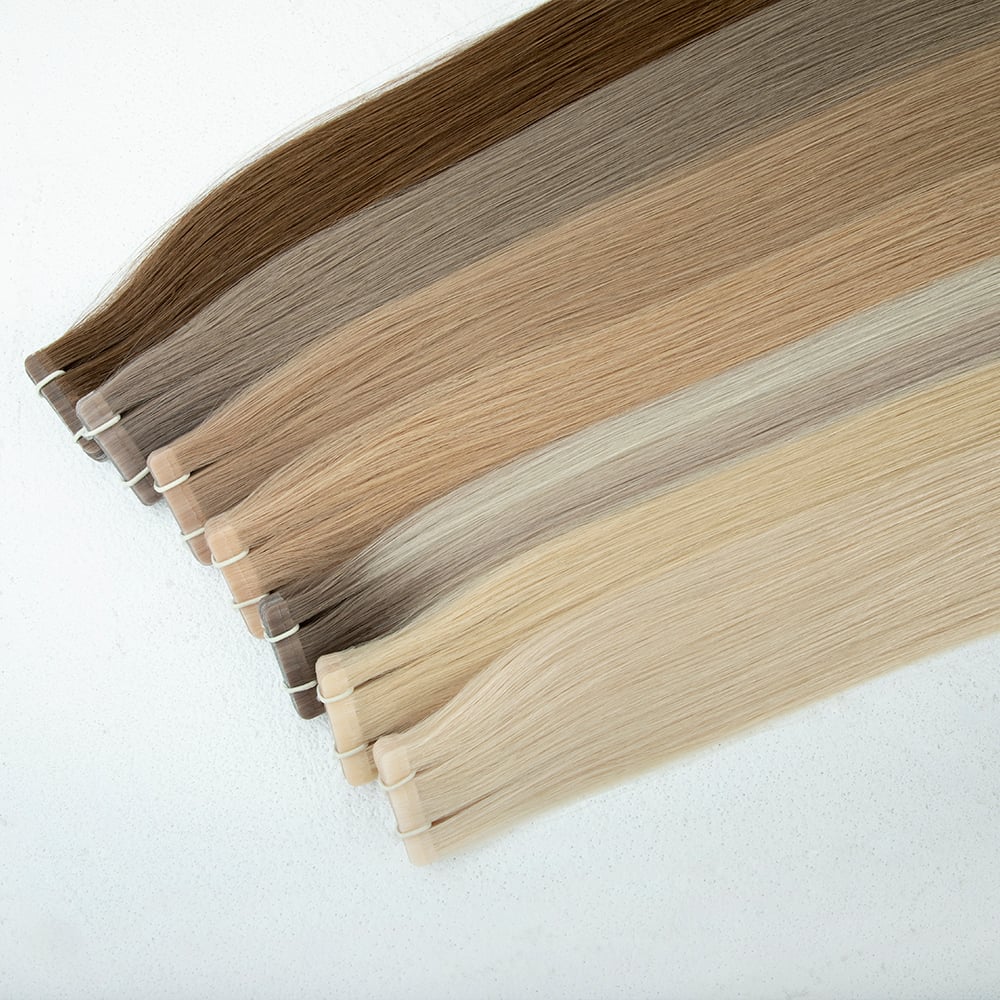

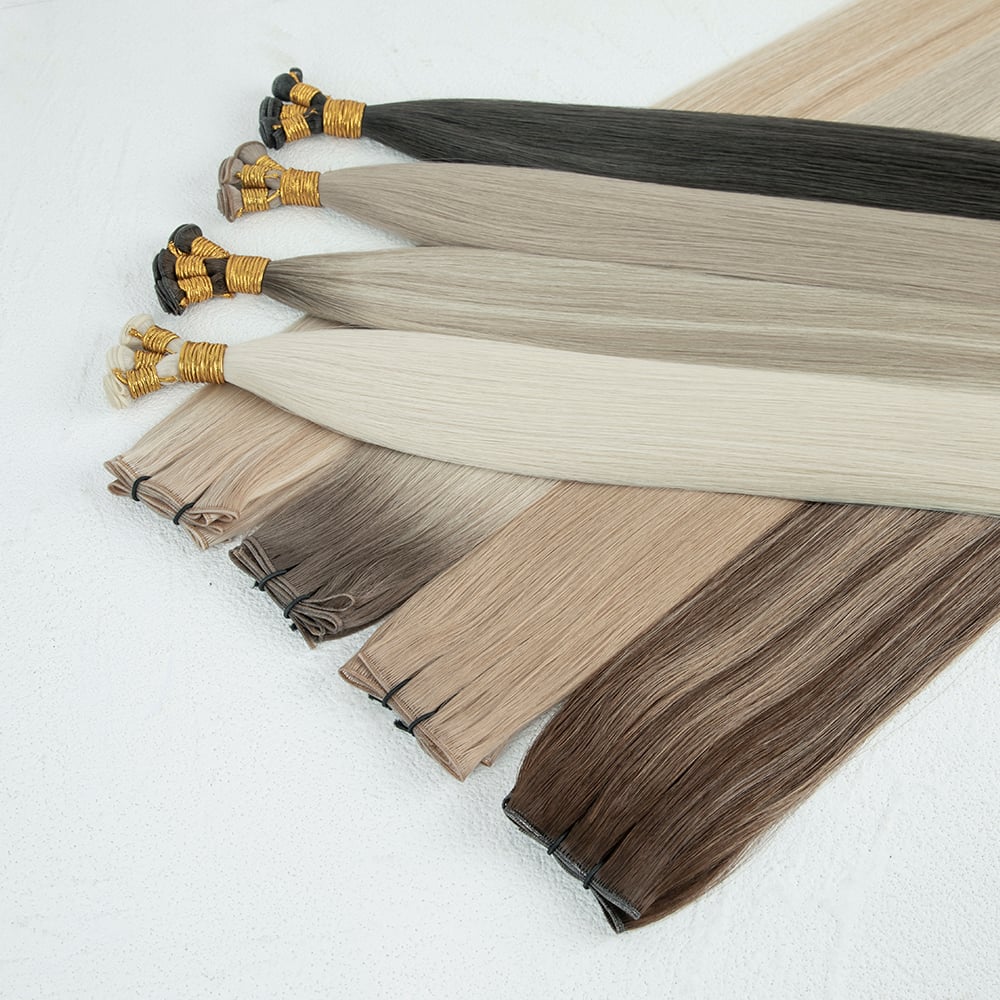
When B2B buyers in the hair extension industry face sourcing decisions between genius weft and traditional hand-tied wefts, understanding the fundamental differences becomes critical for making informed procurement choices. This comprehensive sourcing guide examines the key distinctions that impact cost structures, client satisfaction rates, and operational efficiency for salons, distributors, and retailers navigating these two prominent weft technologies.
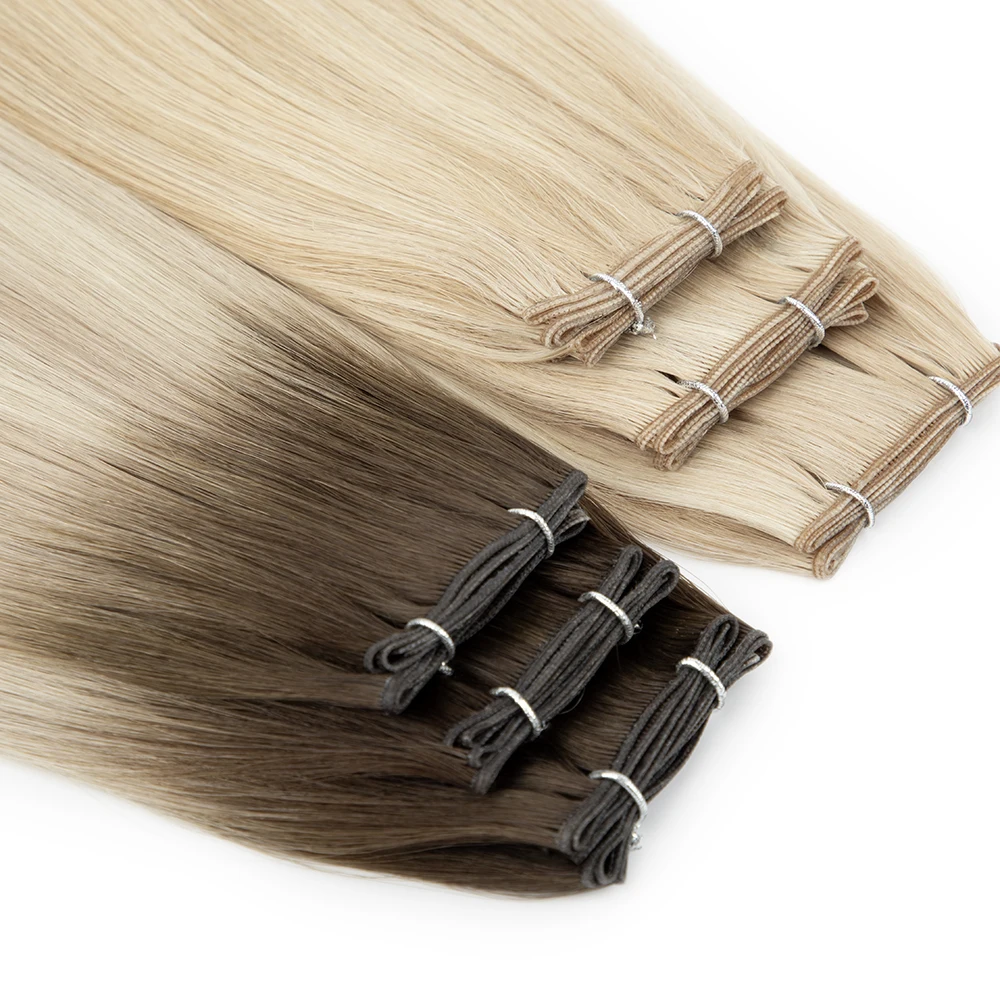
The evolution from traditional hand-tied methods to genius weft technology represents a significant shift in manufacturing approaches, with direct implications for B2B sourcing strategies. While traditional hand-tied wefts have established market presence and proven reliability, genius weft innovations introduce enhanced durability, reduced shedding rates, and streamlined application processes that influence total cost of ownership calculations for businesses operating in competitive salon markets.
Traditional hand-tied wefts rely on manual knotting techniques where individual hair strands are secured through repetitive hand-tying processes along a fabric or thread base. This labor-intensive manufacturing approach requires skilled artisans who manually position each hair section, creating consistent spacing and tension throughout the weft structure. The process typically involves multiple quality checkpoints where craftspeople inspect knot security and hair alignment before proceeding to subsequent sections.
The manual nature of traditional hand-tied production creates inherent variability in construction quality, with slight differences in knot tension and spacing occurring naturally throughout the manufacturing process. These variations, while generally within acceptable tolerances, can influence the long-term performance characteristics of the finished weft products, particularly regarding shedding rates and overall durability under repeated washing and styling cycles.
Production timelines for traditional hand-tied wefts extend considerably compared to machine-assisted alternatives, with individual pieces requiring several hours of skilled labor depending on length and density specifications. This extended manufacturing timeframe directly impacts pricing structures and lead times that B2B buyers must consider when planning inventory levels and client fulfillment schedules.
Genius weft technology employs advanced manufacturing processes that combine precision machinery with strategic reinforcement techniques to create enhanced structural integrity without sacrificing the natural movement characteristics expected from premium weft extensions. The genius weft approach utilizes specialized bonding methods that secure hair strands more effectively than traditional knotting, reducing weak points that typically contribute to premature shedding and structural failure.
The manufacturing process for genius weft incorporates multiple layers of quality assurance, including tension testing and stress analysis that ensures consistent performance across entire production batches. This systematic approach to quality control results in more predictable product characteristics, enabling B2B buyers to maintain consistent service levels and reduce customer complaints related to product performance variations.
Advanced sealing techniques used in genius weft production create reinforced edges that resist fraying and maintain structural integrity even when sections are cut to customize length requirements. This cutting capability provides significant advantages for salon professionals who need to adjust weft dimensions during installation, eliminating the waste and additional labor costs associated with ordering multiple pre-sized traditional weft options.
Comparative testing between genius weft and traditional hand-tied options reveals significant differences in shedding rates under standard use conditions. Traditional hand-tied wefts typically experience gradual hair loss as individual knots loosen over time, particularly around stress points where repeated brushing and styling create mechanical tension. This natural wear pattern requires clients to accept moderate shedding as normal, while salons must factor replacement costs into their service pricing models.
Genius weft technology demonstrates superior retention characteristics, with reinforced attachment points maintaining hair security even under aggressive styling conditions. Independent testing protocols show that genius weft products retain approximately 95% of original hair density after six months of regular use, compared to traditional hand-tied alternatives that typically maintain 85-90% density over the same period. This performance difference translates directly into extended replacement cycles and improved client satisfaction ratings.
The enhanced durability of genius weft extends beyond simple hair retention to include structural stability of the weft base itself. Traditional hand-tied wefts may develop weak spots or separation along the attachment line, requiring careful handling during installation and maintenance. Genius weft construction maintains consistent structural integrity throughout its usable life, reducing the risk of installation failures that can damage client relationships and require costly remediation efforts.
Installation flexibility represents a critical differentiator when comparing genius weft against traditional hand-tied alternatives. Traditional wefts require precise pre-planning regarding length and placement, as cutting typically weakens the hand-tied structure and increases shedding risk. This limitation forces salons to maintain larger inventories of various sizes or accept the compromises associated with using oversized wefts that require folding or layering techniques.
The genius weft addresses these limitations through reinforced edge construction that maintains structural integrity even after cutting to custom lengths. This capability enables salon professionals to purchase longer base lengths and customize dimensions during installation, reducing inventory complexity while improving placement precision. The ability to cut genius weft products without compromising performance provides significant operational advantages for high-volume salons serving diverse client needs.
Color blending and layering techniques benefit substantially from genius weft flexibility, as stylists can create seamless transitions by cutting and positioning multiple sections without concern for structural compromise. This creative freedom enables more sophisticated styling approaches that differentiate premium salons from competitors while maintaining the reliability clients expect from professional extension services.
The initial purchase price differential between genius weft and traditional hand-tied options reflects the enhanced manufacturing processes and material innovations incorporated into genius weft production. While traditional hand-tied wefts typically offer lower entry costs, the total cost analysis must consider performance longevity, replacement frequency, and operational efficiency factors that influence long-term profitability for B2B buyers.
Genius weft pricing structures often include volume discounts and package deals that reduce per-unit costs for larger orders, making them increasingly competitive with traditional alternatives when purchased in quantities suitable for established salon operations. The higher initial investment becomes justified through extended product life cycles and reduced replacement costs that improve overall profit margins on extension services.
Installation time requirements differ significantly between the two technologies, with genius weft applications typically requiring 15-20% less stylist time due to improved handling characteristics and reduced preparation requirements. This efficiency gain translates into increased daily appointment capacity for busy salons, generating additional revenue opportunities that offset higher product costs through improved operational throughput.
Client retention rates show measurable improvements when salons transition from traditional hand-tied to genius weft products, primarily due to enhanced durability and reduced maintenance requirements. Clients appreciate extensions that maintain their appearance longer between salon visits, while stylists benefit from fewer emergency repair appointments and complaint resolutions that disrupt scheduling efficiency.
Warranty and guarantee considerations favor genius weft investments, as manufacturers typically offer extended coverage periods reflecting their confidence in product durability. Traditional hand-tied wefts often carry standard warranties that may not cover normal shedding or wear patterns, while genius weft warranties frequently include performance guarantees that protect B2B buyers against product defects and premature failure.
The reduced inventory complexity associated with genius weft cutting capability creates additional cost savings through improved inventory turnover and reduced carrying costs. Salons can maintain smaller stock levels while serving broader client needs, freeing working capital for other business investments while reducing storage requirements and product obsolescence risks.
High-end salon clientele increasingly demand extension solutions that provide superior longevity and natural appearance without requiring frequent maintenance appointments. Genius weft technology aligns with these premium market expectations, enabling salons to position their services at higher price points while delivering measurable value through extended wear periods and enhanced performance characteristics.
Budget-conscious market segments may continue to prefer traditional hand-tied options when initial cost represents the primary purchase criterion. However, education about total cost of ownership often shifts these preferences toward genius weft solutions as clients recognize the value proposition of reduced replacement frequency and improved satisfaction outcomes.
Professional colorists and styling specialists particularly appreciate genius weft versatility for creative applications that require precise cutting and custom fitting. This technical flexibility enables salons to accept challenging color matching and blending projects that generate premium pricing while showcasing the salon's technical expertise and commitment to using advanced materials.
Salons offering genius weft services can leverage the technology's superior performance characteristics in their marketing communications, emphasizing longer-lasting results and reduced maintenance requirements as key differentiators from competitors using traditional methods. This positioning strategy appeals to time-conscious clients who value convenience and reliability over lowest initial cost.
The cutting capability unique to genius weft products enables salons to offer same-day custom fitting services that traditional hand-tied limitations cannot match. This operational advantage creates opportunities for premium pricing while improving client convenience through reduced appointment frequency and faster service delivery.
Training and certification programs associated with genius weft application provide additional differentiation opportunities as stylists develop specialized expertise that clients cannot access at competing salons using only traditional methods. This knowledge barrier creates sustainable competitive advantages while justifying premium service pricing for advanced extension techniques.
Yes, genius weft technology specifically addresses the cutting limitation that affects traditional hand-tied wefts. The reinforced edge construction maintains structural integrity even after cutting to custom lengths, enabling stylists to adjust dimensions during installation without increased shedding risk or structural failure. This cutting capability represents a significant operational advantage for salons requiring flexible sizing options.
Genius weft products typically provide 20-30% longer usable life compared to traditional hand-tied alternatives due to superior retention characteristics and enhanced structural durability. While traditional wefts may require replacement every 3-4 months under regular use, genius weft installations often maintain acceptable appearance and performance for 4-6 months, reducing long-term costs and client inconvenience through extended replacement cycles.
Stylists experienced with traditional hand-tied weft installation can typically adapt to genius weft techniques within 2-3 training sessions focusing on proper cutting techniques and optimized placement strategies. While the fundamental installation principles remain similar, genius weft flexibility requires updated approaches to achieve optimal results and maximize the technology's performance advantages.
Genius weft technology demonstrates compatibility across diverse hair types and textures, with specialized variants available for specific matching requirements. The enhanced structural integrity actually provides advantages for clients with fine or fragile hair who may experience issues with traditional weft products, while the cutting capability enables precise blending for clients with unique texture or color matching needs that standard pre-sized options cannot accommodate.

Qingdao LeShine Hair Products Co., Ltd. specializes in premium hair extensions made from 100% Remy cuticle-intact human hair. With over 32 years of experience, we offer durable, tangle-free extensions and customized solutions for customers in 164 countries.