 EN
EN
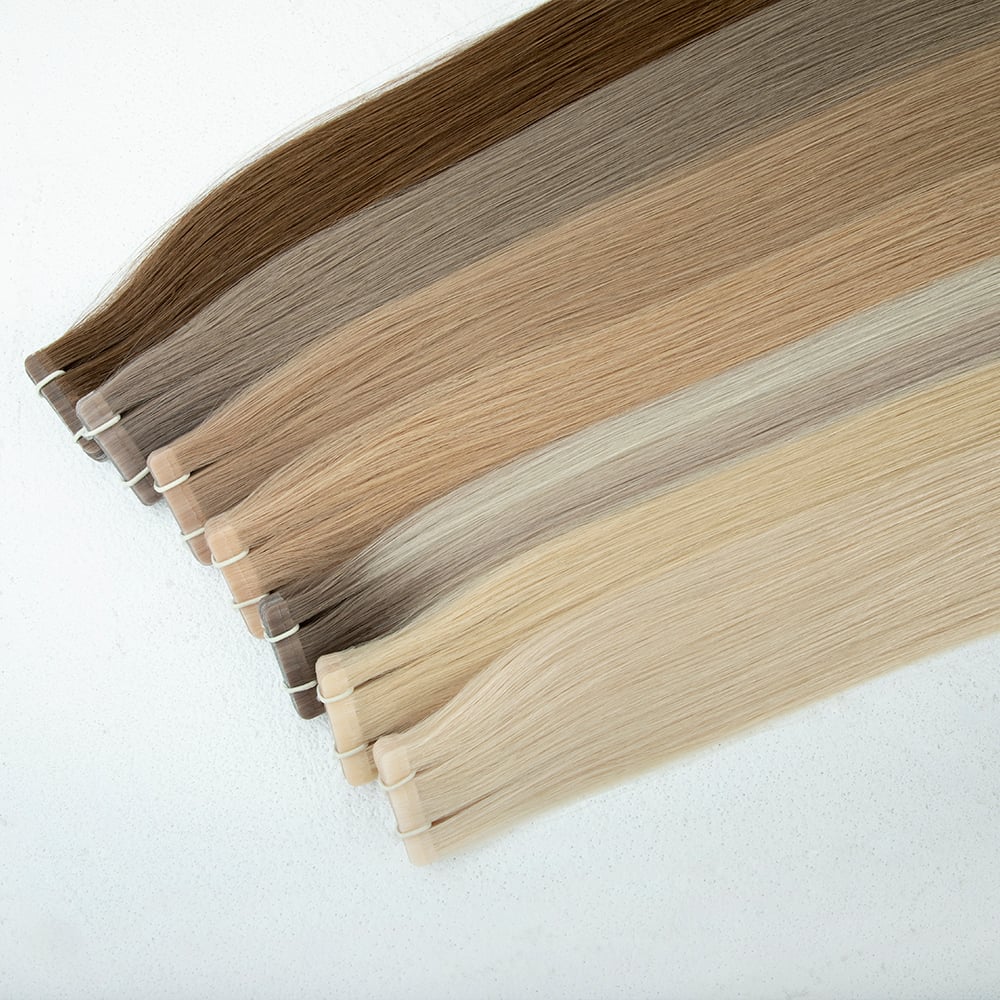

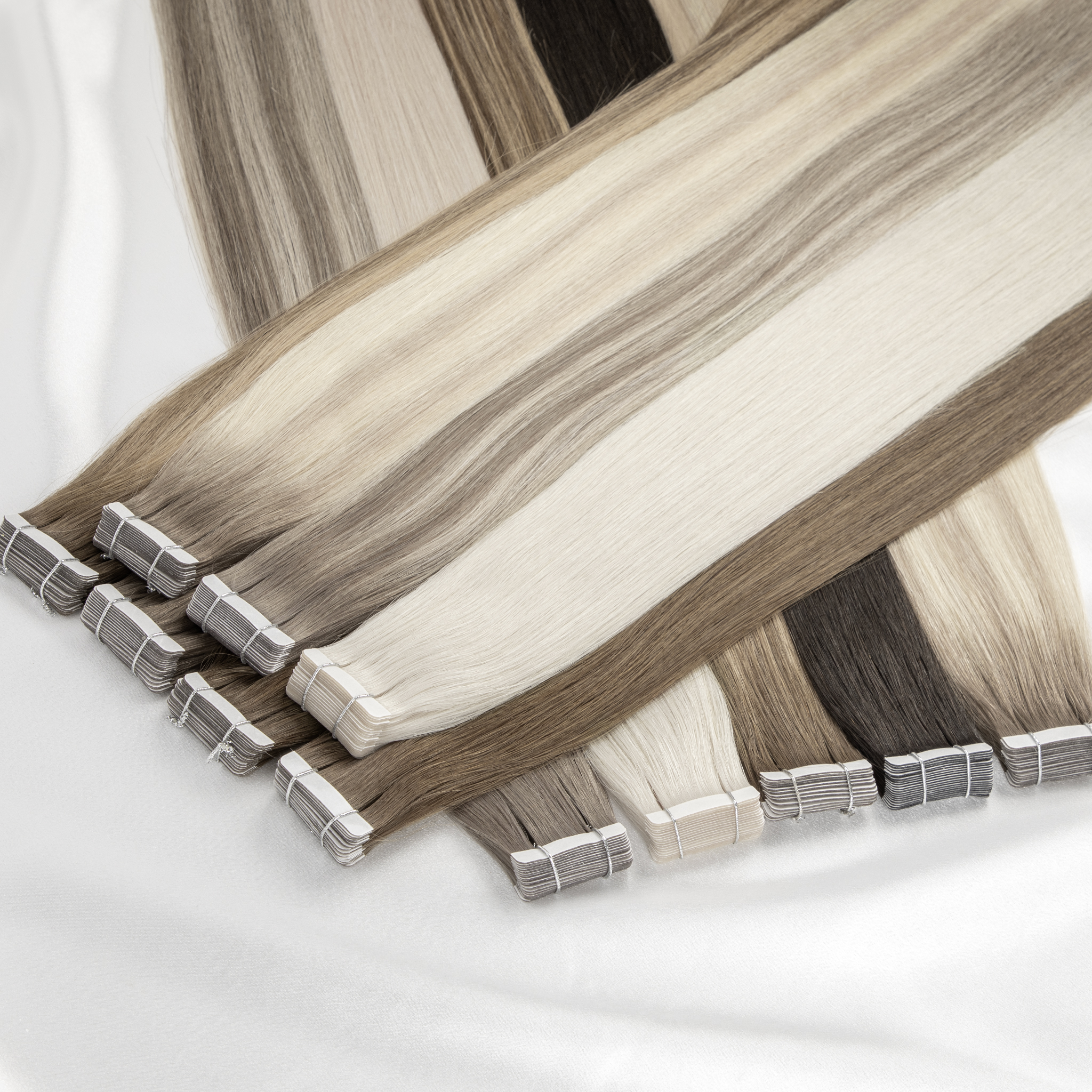
Customizing tape in hair extensions for diverse global markets requires strategic understanding of regional preferences, hair textures, and consumer expectations. Brands entering international markets face unique challenges in adapting their product offerings while maintaining quality and profitability. Success depends on recognizing that one-size-fits-all approaches rarely work in the hair extension industry, where cultural preferences, climate conditions, and aesthetic standards vary significantly across regions.
Working with an experienced tape in hair extensions manufacturer enables brands to develop customized solutions that resonate with target markets. Manufacturers with global expertise understand the technical specifications, material sourcing, and production capabilities needed to meet diverse regional demands. By partnering with manufacturers and exploring tape in hair extensions wholesale options, brands can scale their customization efforts while maintaining consistent quality across multiple market segments.
Different regions have distinct hair texture profiles that influence tape in hair extensions selection. East Asian markets typically favor finer, straighter hair with lower density requirements, while African and Caribbean markets demand thicker, more textured options. European and North American consumers often seek versatile extensions that blend seamlessly with varied hair types within these diverse populations. A tape in hair extensions manufacturer must maintain flexibility in sourcing and processing materials to accommodate these regional variations effectively.
Beauty standards and preferred aesthetics vary dramatically across cultures, affecting tape in hair extensions customization strategies. Some markets prioritize natural blending and subtle enhancement, while others embrace bolder, more voluminous looks. Hair color preferences differ too—warmer tones dominate certain regions while cooler shades perform better in others. Understanding these cultural nuances helps brands create tape in hair extensions wholesale collections that genuinely appeal to local consumers rather than forcing generic products into specific markets.
A tape in hair extensions manufacturer must establish robust sourcing networks to ensure consistent quality across customized product lines. Material specifications should address regional climate conditions—humidity-resistant processing for tropical markets, stronger adhesive formulations for warmer climates, and specialized treatments for dry environments. Wholesale suppliers need transparent quality documentation proving that each batch meets regional health and safety standards. This attention to material detail separates premium tape in hair extensions from budget alternatives that fail in specific markets.
Customizing tape in hair extensions requires careful consideration of adhesive systems suited to different climates and hair types. Tropical and humid regions demand moisture-resistant adhesives that maintain durability in high-humidity conditions. Cooler climates benefit from standard formulations, while areas with extreme temperature fluctuations require specialized compounds that resist expansion and contraction. Tape in hair extensions wholesale programs should include regional adhesive options and application training to ensure customers achieve optimal results regardless of location.
Building effective tape in hair extensions wholesale channels requires understanding each market's retail landscape and consumer purchasing patterns. Some regions rely heavily on salons and professional distributors, while others emphasize direct-to-consumer online sales. A tape in hair extensions manufacturer should work closely with regional partners to establish appropriate pricing, packaging, and support systems. Wholesale programs should include bulk ordering options, training materials, and technical support that help distributors succeed with customized product lines in their specific markets.
Tape in hair extensions packaging must reflect regional preferences while meeting local regulatory requirements. Some markets require extensive product information in specific languages, while others prioritize visual branding. Compliance with beauty product regulations varies significantly—certain regions demand certification testing, ingredient disclosure, and safety documentation that others don't require. A forward-thinking tape in hair extensions manufacturer anticipates these requirements and builds compliance into the customization process, reducing delays and ensuring smooth market entry.
Brands should evaluate regional hair texture preferences, cultural aesthetic standards, climate conditions, regulatory requirements, and consumer purchasing patterns. Working with an experienced tape in hair extensions manufacturer who understands these variables ensures products resonate with local consumers. Additionally, understanding the competitive landscape and existing market preferences helps brands position customized offerings effectively.
Tape in hair extensions wholesale pricing reflects regional production costs, import duties, local market demand, competitive positioning, and profit margin requirements. Manufacturers typically adjust pricing based on order volume, customization complexity, and regional shipping costs. Brands should negotiate wholesale terms that account for regional economic conditions while maintaining quality standards across all markets served.
A tape in hair extensions manufacturer provides technical expertise, material sourcing capabilities, quality control systems, and production flexibility needed for successful market customization. Manufacturers understand regional requirements, compliance standards, and market-specific preferences. They help brands scale operations efficiently, maintain consistent quality across markets, and adapt quickly to changing regional demands without compromising profitability.

Qingdao LeShine Hair Products Co., Ltd. specializes in premium hair extensions made from 100% Remy cuticle-intact human hair. With over 32 years of experience, we offer durable, tangle-free extensions and customized solutions for customers in 164 countries.