 EN
EN
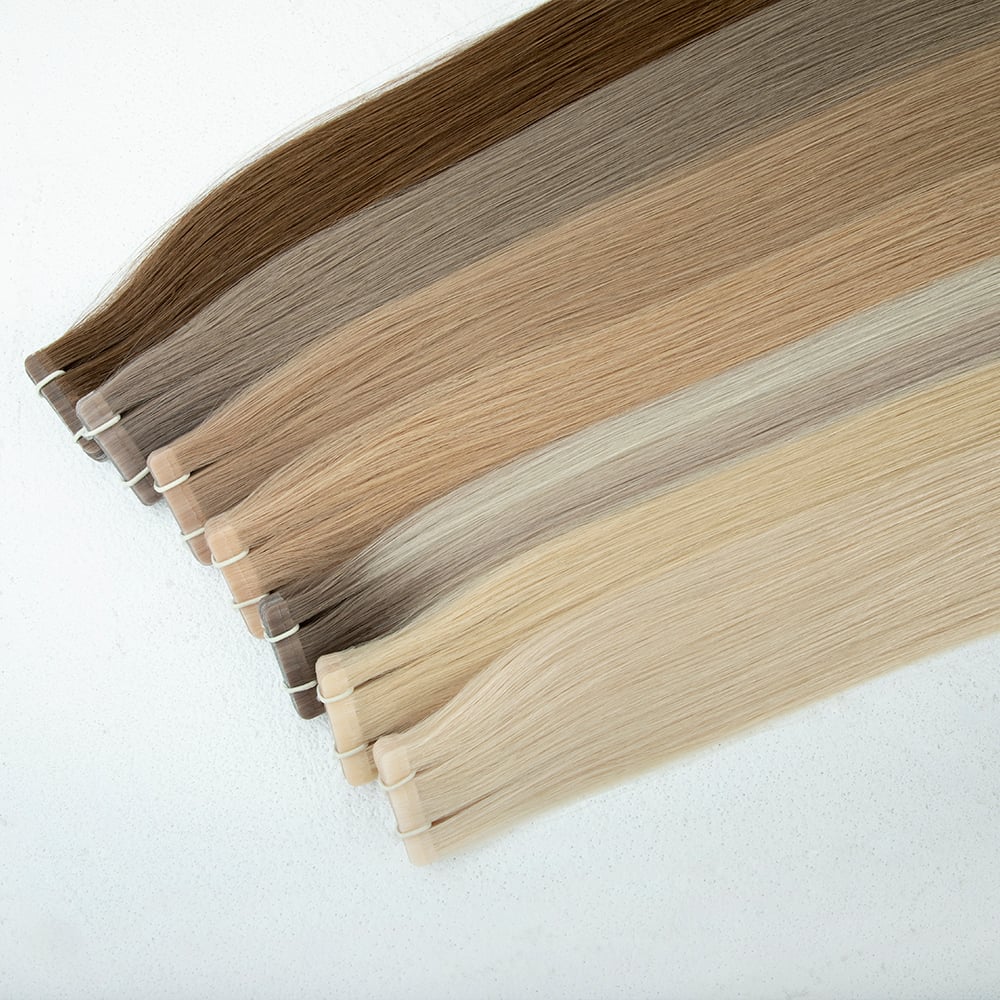

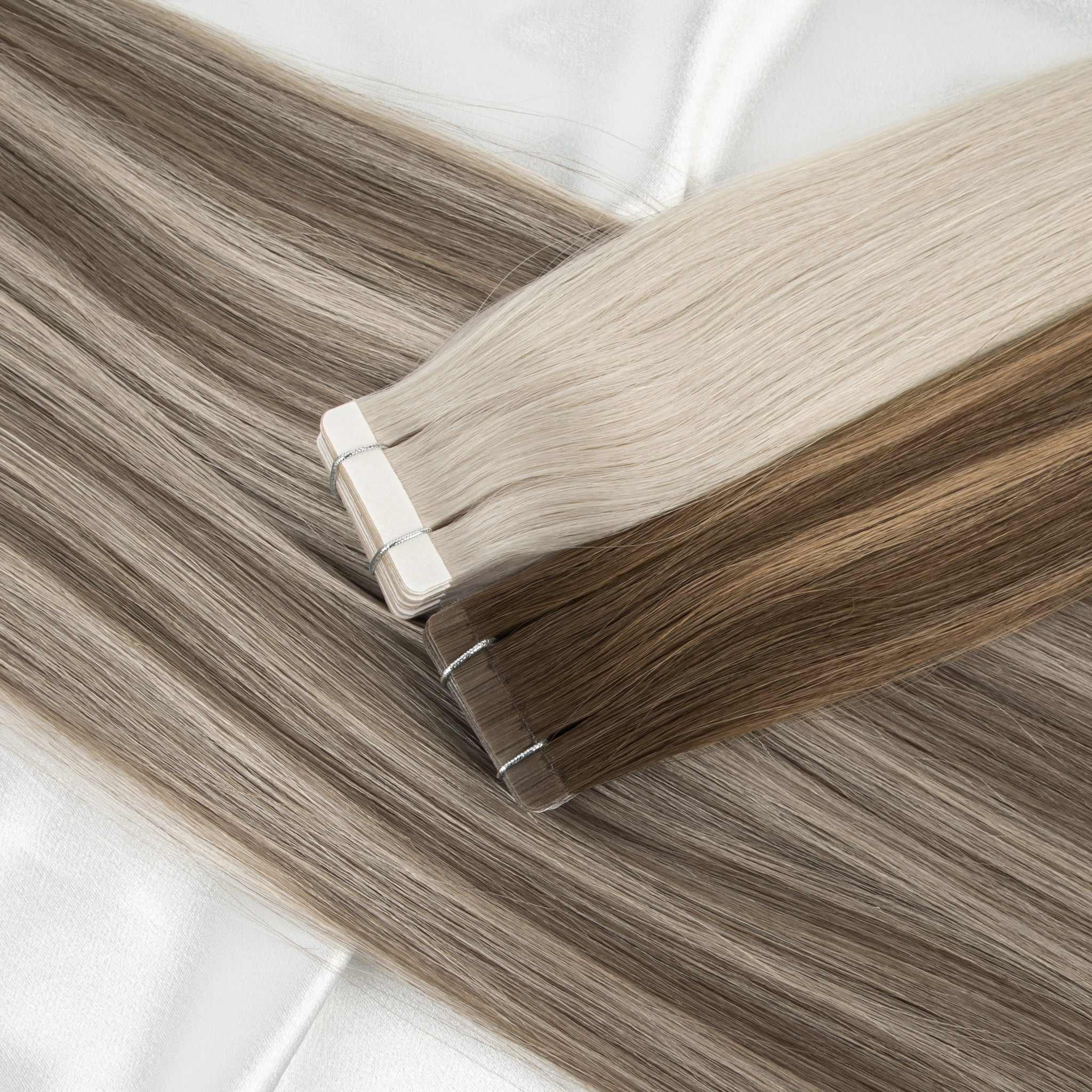
Purchasing high-quality tape in hair extensions requires understanding several critical evaluation criteria that distinguish premium products from inferior alternatives. Buyers in the beauty industry face significant challenges when sourcing tape in hair extensions because visual inspection alone cannot reveal internal material quality, adhesive strength, or longevity. The decision to invest in tape in hair extensions directly impacts customer satisfaction, retention rates, and overall business profitability. Whether you operate a salon, supply beauty retailers, or source directly from a tape in hair extensions manufacturer, knowing how to properly evaluate quality ensures you make informed purchasing decisions that protect your investment and reputation.
Quality evaluation encompasses material composition, adhesive formulation, hair sourcing, application consistency, and durability performance under real-world conditions. When comparing tape in hair extensions wholesale suppliers and evaluating individual products, buyers must look beyond price and marketing claims to assess fundamental attributes that determine performance. Understanding these evaluation methods helps you identify trustworthy manufacturers, negotiate better terms with suppliers, and ultimately select extensions that meet your customers' expectations and your business standards.
The foundation of high-quality tape in hair extensions begins with superior hair fiber selection. Premium extensions use Remy hair, which maintains cuticle alignment in one direction, reducing tangling and extending product lifespan. When evaluating tape in hair extensions from a tape in hair extensions manufacturer, examine whether the hair exhibits natural shine, smooth texture, and consistent color throughout the strands. Inferior products often use non-Remy or processed hair that appears dull, tangles easily, and deteriorates within weeks. Request hair samples before committing to bulk orders, feel the texture personally, and assess whether the hair responds well to styling and maintains appearance after washing and conditioning treatments.
The tape adhesive is equally critical as the hair quality itself. Quality adhesive strips should feel tacky but not overly sticky, flex without breaking, and maintain consistent thickness across the entire tape width. Superior tape in hair extensions feature medical-grade or salon-quality adhesives formulated to hold securely without damaging natural hair or leaving excessive residue upon removal. When examining tape in hair extensions wholesale products, check whether the adhesive hardens during extended wear, as brittleness indicates poor formulation. Test adhesive performance by gently stretching a sample—quality tape flexes smoothly without cracking or separating from the hair base. Cheap alternatives often use inconsistent adhesive that fails prematurely or causes scalp irritation.
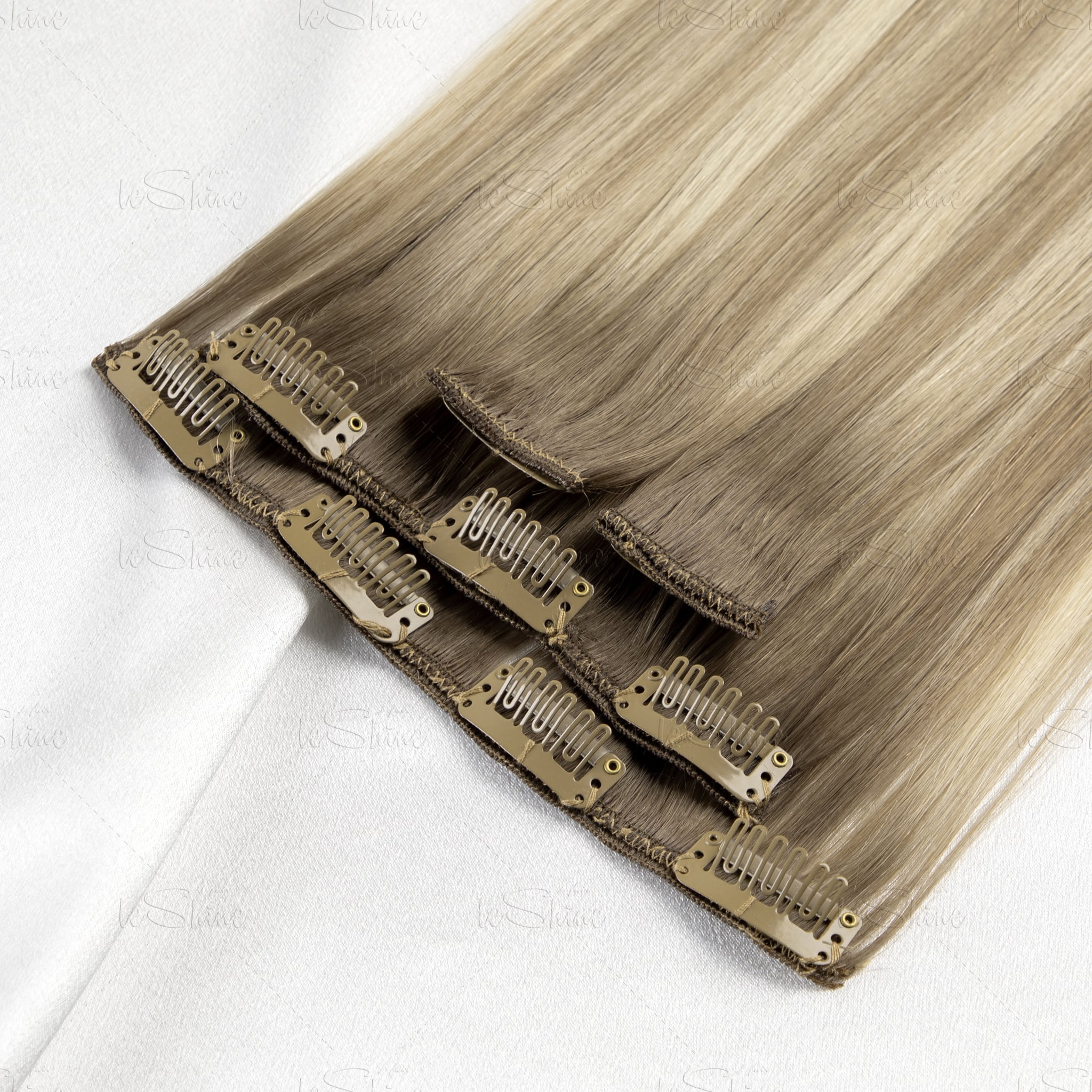
How tape in hair extensions are constructed directly reflects manufacturing discipline. High-quality products feature evenly spaced tape strips, consistent weft sizes, and proper hair distribution across the entire weft. Examine whether all tapes are centered on the hair base, positioned at identical distances from hair edges, and free from overlaps or gaps. Premium manufacturers maintain strict quality control, resulting in extensions that apply uniformly and create seamless blends with natural hair. Inferior tape in hair extensions often show uneven tape placement, crooked wefts, or inconsistent hair density that creates visible lines and complicates styling. Request product samples from potential tape in hair extensions manufacturer partners and inspect multiple units to confirm consistency across production batches.
Premium tape in hair extensions maintain balanced hair density that feels neither too heavy nor too thin. The hair should distribute evenly across each tape, with no bare spots or sections of concentrated weight that cause uncomfortable pulling on the scalp. When evaluating tape in hair extensions wholesale offerings, measure the weight per tape and verify consistency across all wefts in a bundle. Higher quality extensions use appropriate hair volume that provides fullness without straining natural hair at application points. Test density by running fingers through sample extensions—quality products feel substantial and textured, while cheap alternatives feel thin, wispy, or overly processed. Consistent density prevents complications during application and ensures balanced, natural-looking results.
Evaluate adhesive performance through practical testing before purchasing large quantities from any tape in hair extensions manufacturer. Apply sample extensions to test heads or willing participants, then assess how they perform after one, two, and four weeks of normal wear. Quality adhesive maintains strong bonding throughout the entire wear cycle, only loosening slightly at removal. Inferior tape in hair extensions often begin slipping within two weeks, requiring frequent repositioning that annoys customers and damages natural hair at stress points. Request performance data from manufacturers, ask salon professionals about real-world results, and read customer reviews describing how long extensions stay in place. Adhesive that fails prematurely indicates poor formulation and represents false economy despite lower pricing.
High-quality tape in hair extensions withstand regular styling, washing, and heat treatment without significant degradation. Test sample hair by blow-drying, curling, and straightening repeatedly while observing for frizz, breakage, or loss of shine. Premium extensions maintain smooth, lustrous appearance after intensive styling, while inferior products become dull and brittle within days. When sourcing tape in hair extensions wholesale, request durability testing data showing how extensions perform across multiple wash cycles and heat applications. Quality hair retains color vibrancy, resists tangling, and maintains structural integrity through extended wear periods. These characteristics reflect proper hair processing and sourcing from reputable tape in hair extensions manufacturer partners who prioritize longevity over profit-maximizing shortcuts.
Reliable tape in hair extensions wholesale suppliers provide detailed product documentation, including hair type certifications, adhesive composition specifications, and quality testing results. Request certificates confirming Remy hair status, adhesive safety certifications, and manufacturing hygiene standards. Transparent manufacturers openly discuss their quality control processes, testing protocols, and performance guarantees without defensive hesitation. When communicating with a tape in hair extensions manufacturer, notice whether they answer questions directly, provide comprehensive samples, and welcome third-party inspections. Suppliers who avoid documentation requests or make vague claims about quality likely cut corners throughout production. Establish relationships with manufacturers who demonstrate confidence in their products through transparent communication and willingness to support buyer evaluation efforts.
While price matters, extremely low pricing on tape in hair extensions wholesale typically signals compromised quality. Compare pricing among tape in hair extensions manufacturer options while keeping durability, hair quality, and adhesive performance in perspective. Calculate true cost by considering how long extensions last, how frequently customers need replacements, and how quality impacts your reputation. Premium products may cost more initially but deliver superior customer satisfaction, reduce complaint rates, and generate repeat business. Conversely, cheap tape in hair extensions create disappointed customers, damage your professional reputation, and cost more overall when accounting for customer service issues and replacement cycles. Request multiple quotes, but prioritize quality metrics alongside price when making purchasing decisions.
Remy hair represents the gold standard for tape in hair extensions because cuticle alignment ensures minimal tangling, enhanced shine, and extended lifespan. Virgin Remy hair that has never been chemically processed delivers even superior results, though it costs more. Always request documentation confirming hair type, and feel sample extensions personally to assess texture quality and natural appearance before committing to wholesale purchases.
Gently flex and stretch sample tape strips to evaluate flexibility and adhesive consistency without harming the product. Apply samples to test heads for several weeks to assess real-world holding power and ease of removal. Contact the tape in hair extensions manufacturer for performance data, ask salon professionals about customer feedback, and read independent reviews describing adhesive longevity and reliability throughout wear cycles.
Red flags include dull, tangled hair appearance, uneven tape placement, inconsistent hair density, sticky or brittle adhesive, and vague manufacturer documentation. If tape in hair extensions wholesale suppliers resist providing samples, detailed specifications, or quality certifications, quality likely suffers. Poor adhesive bonding within weeks, rapid hair deterioration after styling, and customer complaints about discomfort indicate shortcuts that compromise performance and durability.

Qingdao LeShine Hair Products Co., Ltd. specializes in premium hair extensions made from 100% Remy cuticle-intact human hair. With over 32 years of experience, we offer durable, tangle-free extensions and customized solutions for customers in 164 countries.