 EN
EN


The hair extension industry has experienced remarkable growth over the past decade, with salons and retailers increasingly seeking reliable suppliers for bulk hair extensions to meet their clientele's diverse needs. Whether you're a salon owner looking to expand your service offerings or a retailer aiming to stock premium hair products, understanding the intricacies of bulk purchasing is crucial for business success. The process involves multiple considerations beyond simple price comparisons, including quality assessment, supplier reliability, and market demand analysis.
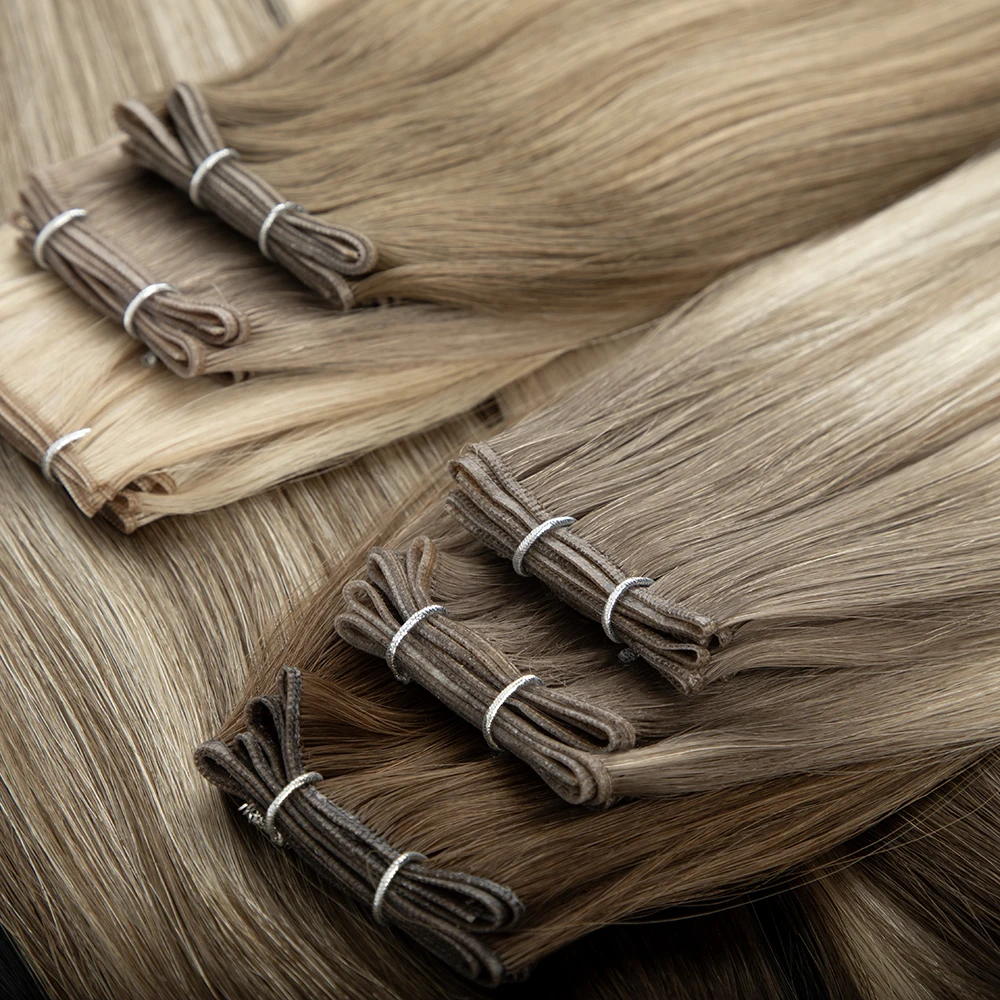
Professional establishments require consistent quality and reliable supply chains to maintain their reputation and customer satisfaction. The bulk hair extension market offers numerous opportunities for cost savings and profit margins, but success depends on making informed decisions based on thorough market research and supplier evaluation. Understanding your target demographic's preferences, seasonal trends, and emerging styles will guide your purchasing strategy effectively.
This comprehensive guide addresses the essential factors that determine successful bulk purchasing decisions, from quality standards and supplier verification to inventory management and customer satisfaction metrics. By implementing strategic approaches to vendor selection and product evaluation, businesses can establish sustainable partnerships that drive long-term profitability and growth in the competitive hair extension market.
The distinction between Remy and non-Remy hair represents one of the most fundamental quality considerations when purchasing bulk hair extensions for commercial purposes. Remy hair maintains its natural cuticle direction, ensuring that all hair strands flow in the same direction from root to tip, which significantly reduces tangling and matting issues. This characteristic makes Remy hair extensions more durable and easier to maintain, leading to higher customer satisfaction and fewer returns for salons and retailers.
Non-Remy hair, while more affordable, undergoes processing that strips or damages the cuticles, requiring chemical treatments to achieve a smooth appearance. This processing often results in shorter lifespan and increased maintenance requirements for end users. When considering bulk orders, the initial cost savings of non-Remy hair may be offset by higher return rates and potential damage to your business reputation.
Professional establishments should prioritize Remy hair for their bulk purchasing decisions, as the superior quality justifies the investment through improved customer retention and reduced service-related issues. The longevity and natural appearance of Remy hair extensions provide better value propositions for clients willing to invest in premium products.
Virgin hair represents the highest quality tier in the hair extension market, characterized by its completely unprocessed state and natural integrity. This hair type has never been subjected to chemical treatments, coloring, or heat styling, maintaining its original strength and natural properties. For businesses targeting luxury market segments, virgin hair extensions offer unparalleled quality and performance that justify premium pricing strategies.
The sourcing of virgin hair requires careful verification, as many suppliers falsely market chemically processed hair as virgin quality. Reputable suppliers provide detailed documentation about hair origin, collection methods, and processing history. When purchasing bulk hair extensions of virgin quality, businesses should request samples and conduct thorough testing to verify authenticity before committing to large orders.
Virgin hair's versatility allows for extensive customization through coloring and styling without compromising structural integrity. This flexibility enables salons to offer comprehensive transformation services while maintaining hair health, creating additional revenue opportunities and enhancing customer satisfaction levels.
Evaluating potential suppliers requires comprehensive assessment of their manufacturing standards, quality control processes, and industry certifications. Reputable hair extension manufacturers implement stringent quality management systems that ensure consistent product specifications across bulk orders. These systems typically include multiple inspection points throughout the production process, from raw hair sourcing to final packaging and distribution.
Industry certifications such as ISO quality management standards indicate a supplier's commitment to maintaining consistent production quality and customer satisfaction. Additionally, ethical sourcing certifications demonstrate responsible business practices and supply chain transparency, which increasingly influence consumer purchasing decisions and brand reputation in today's market environment.
Request detailed information about the supplier's testing procedures, including tensile strength measurements, color fastness tests, and chemical residue analysis. Suppliers who readily provide this technical documentation demonstrate confidence in their product quality and manufacturing processes, indicating reliable partnership potential for long-term business relationships.
Consistent inventory availability represents a critical factor in supplier selection, particularly for businesses with predictable seasonal demand patterns or regular promotional events. Evaluate potential suppliers' production capacity, inventory management systems, and historical performance in meeting delivery commitments. Reliable suppliers maintain adequate safety stock levels and implement contingency plans for managing supply disruptions or unexpected demand fluctuations.
Lead time consistency directly impacts your ability to maintain optimal inventory levels and respond to customer demand effectively. Suppliers should provide realistic timeline estimates based on order volumes and seasonal factors, with clear communication protocols for addressing potential delays or production issues. Establish minimum order quantities that align with your storage capacity and cash flow requirements while ensuring favorable pricing terms.
Geographic proximity to manufacturing facilities can influence shipping costs and delivery times, but should be balanced against quality considerations and total cost of ownership. Diversifying supplier relationships across multiple regions can provide supply chain resilience and competitive pricing leverage for future negotiations.
Understanding volume discount structures enables businesses to optimize their purchasing strategies and maximize profit margins on bulk hair extension orders. Most suppliers implement tiered pricing systems that offer progressively better rates as order quantities increase, but the break points and discount percentages vary significantly between vendors. Analyzing these structures requires calculating total cost per unit including shipping, handling, and potential customs duties for international suppliers.
Negotiate volume commitments that align with your sales projections and storage capabilities while securing favorable pricing terms for future orders. Some suppliers offer annual volume agreements that guarantee pricing stability and preferential treatment for rush orders or custom specifications. These arrangements can provide significant cost advantages for established businesses with predictable demand patterns.
Consider the financial implications of larger minimum orders, including inventory carrying costs, insurance requirements, and potential obsolescence risks for fashion-sensitive products. Calculate return on investment based on anticipated sales velocity and profit margins to determine optimal order quantities that balance cost savings with operational efficiency.
Comprehensive cost analysis extends beyond initial purchase prices to encompass all expenses associated with acquiring, storing, and selling bulk hair extensions. Factor in shipping costs, import duties, storage requirements, insurance premiums, and potential quality-related returns when comparing supplier proposals. These additional costs can significantly impact overall profitability and should influence supplier selection decisions.
Payment terms affect cash flow requirements and overall cost structure, with early payment discounts potentially offsetting financing costs for inventory investments. Evaluate credit terms, deposit requirements, and payment methods to determine the most cost-effective financing approach for your business model and capital availability.
Consider the long-term cost implications of supplier relationships, including potential price escalations, minimum order adjustments, and exclusive territory agreements. Suppliers offering stable pricing policies and transparent cost structures provide better predictability for financial planning and competitive positioning in your target market.
Successful bulk purchasing strategies require comprehensive understanding of market demand patterns for different hair lengths and textures. Consumer preferences vary significantly across demographic segments and geographic regions, with trends influenced by celebrity styles, social media influences, and seasonal fashion cycles. Analyze your customer base to determine optimal product mix ratios that minimize inventory risks while maximizing sales opportunities.
Standard length offerings typically range from 12 to 30 inches, with 16, 20, and 24-inch lengths representing the highest demand segments in most markets. Texture options include straight, wavy, and various curl patterns that appeal to different ethnic and style preferences. Diversifying your inventory across multiple length and texture combinations provides flexibility to serve broader customer segments while reducing dependency on single product categories.
Custom length specifications may be available for bulk orders, allowing businesses to differentiate their offerings and target specific market niches. However, custom products typically require longer lead times and higher minimum order quantities, which should be factored into inventory planning and cash flow projections.
Color matching represents one of the most critical factors in hair extension sales success, as customers require precise matches to their natural hair color for seamless blending. Suppliers should offer comprehensive color charts with standardized numbering systems that facilitate accurate ordering and customer consultation processes. Natural colors typically account for the majority of sales volume, with highlight and fashion colors serving specialized market segments.
Evaluate suppliers' color consistency across production batches, as variations can create matching problems and customer dissatisfaction. Request color samples from multiple production runs to assess consistency and establish quality standards for incoming shipments. Some suppliers offer color matching services using customer hair samples, which can be valuable for custom orders and specialized applications.
Consider seasonal color trends and fashion influences when planning bulk orders, as demand for certain shades can fluctuate significantly throughout the year. Maintaining inventory balance between staple colors and trending shades helps optimize sales while minimizing obsolescence risks for fashion-sensitive products.
Implementing rigorous sample evaluation procedures protects businesses from quality issues and ensures customer satisfaction with bulk hair extension purchases. Request samples from multiple suppliers to conduct comparative analysis of hair quality, construction methods, and durability characteristics. Professional evaluation should include visual inspection, tactile assessment, and basic performance testing under controlled conditions.
Conduct wash tests to evaluate color retention, texture maintenance, and tangling tendencies after multiple cleansing cycles. Heat styling tests reveal the hair's response to professional tools and help predict customer satisfaction with styling versatility. Document all testing results to establish baseline quality standards and supplier comparison criteria for future purchasing decisions.
Involve experienced stylists in the sample evaluation process, as their professional expertise can identify subtle quality differences that impact salon performance and customer satisfaction. Their feedback regarding ease of application, styling characteristics, and client acceptance provides valuable insights for bulk purchasing decisions.
Establish systematic inspection procedures for incoming bulk hair extension shipments to identify quality issues before products reach customers. Inspection protocols should include random sampling across different packaging units to assess consistency throughout the shipment. Document any discrepancies or quality concerns immediately to facilitate prompt resolution with suppliers.
Visual inspection should focus on color accuracy, length consistency, weight verification, and construction quality for wefted or bonded extensions. Check packaging integrity and labeling accuracy to ensure proper inventory management and customer communication. Implement statistical sampling methods that provide confidence in overall shipment quality while maintaining inspection efficiency.
Develop clear procedures for handling non-conforming products, including segregation, documentation, and supplier notification processes. Prompt communication with suppliers regarding quality issues helps maintain relationships while ensuring continuous improvement in future shipments.
Understanding seasonal demand patterns enables more effective inventory planning and reduces carrying costs for bulk hair extension purchases. Wedding seasons, holiday periods, and back-to-school timeframes typically drive increased demand for hair extensions and related services. Analyzing historical sales data reveals patterns that guide purchasing timing and quantity decisions for optimal inventory turnover.
Monitor fashion trends, celebrity influences, and social media movements that impact hair extension demand and style preferences. Trend forecasting helps anticipate shifts in color preferences, length demands, and texture popularity that affect inventory planning strategies. Subscribe to industry publications and attend trade shows to stay informed about emerging trends and market developments.
Customer demographic analysis reveals preferences for specific product characteristics, price points, and service levels that influence bulk purchasing decisions. Younger customers may prefer fashion colors and experimental styles, while mature clients typically favor natural colors and classic looks. Tailoring inventory composition to your customer base demographics improves sales velocity and customer satisfaction.
Regular competitive analysis provides insights into market pricing, product offerings, and service differentiation opportunities that influence bulk purchasing strategies. Monitor competitor pricing strategies, promotional activities, and customer feedback to identify market gaps and positioning opportunities for your business. This intelligence helps guide supplier negotiations and product specification decisions.
Evaluate competitor product quality and customer satisfaction levels to identify improvement opportunities and competitive advantages. Superior quality positioning may justify premium pricing strategies, while cost leadership approaches require efficient purchasing and operational management. Understanding competitive dynamics helps optimize purchasing decisions and market positioning strategies.
Consider exclusive product arrangements or private labeling opportunities that differentiate your offerings from competitors while building brand loyalty. Some suppliers offer exclusive color formulations or custom packaging options that enhance brand recognition and customer preference development.
Minimum order quantities vary significantly depending on the supplier and product type, typically ranging from 50 to 500 pieces per style and color combination. Premium Remy and virgin hair extensions often have higher minimum requirements due to sourcing constraints and processing costs. Most suppliers offer more favorable pricing and terms for orders exceeding their standard minimums, so evaluate your storage capacity and sales projections to determine optimal order sizes that balance cost savings with inventory management requirements.
Authentic Remy hair exhibits consistent cuticle alignment that can be tested by running fingers along the hair strands in both directions – genuine Remy hair feels smooth in one direction and rough in the reverse direction. Virgin hair shows no signs of chemical processing, maintains natural color variations, and responds predictably to bleaching tests. Request detailed documentation about hair origin and processing history, and consider third-party testing services for large purchases to verify quality claims and ensure product authenticity.
Supplier reliability encompasses delivery consistency, quality control standards, communication responsiveness, and problem resolution capabilities that directly impact your business operations. Evaluate manufacturing certifications, ethical sourcing practices, and customer references to assess long-term partnership potential. Consider geographic location for shipping efficiency, payment terms that support your cash flow requirements, and technical support capabilities that assist with product knowledge and customer service issues.
Develop inventory planning models based on historical sales data, seasonal patterns, and trend forecasting to optimize stock levels throughout the year. Maintain higher inventory levels before peak seasons while reducing stock during slower periods to minimize carrying costs and obsolescence risks. Consider supplier lead times when planning seasonal purchases, and establish relationships with multiple vendors to ensure supply availability during high-demand periods without overcommitting to single-source dependencies.

Qingdao LeShine Hair Products Co., Ltd. specializes in premium hair extensions made from 100% Remy cuticle-intact human hair. With over 32 years of experience, we offer durable, tangle-free extensions and customized solutions for customers in 164 countries.