 EN
EN
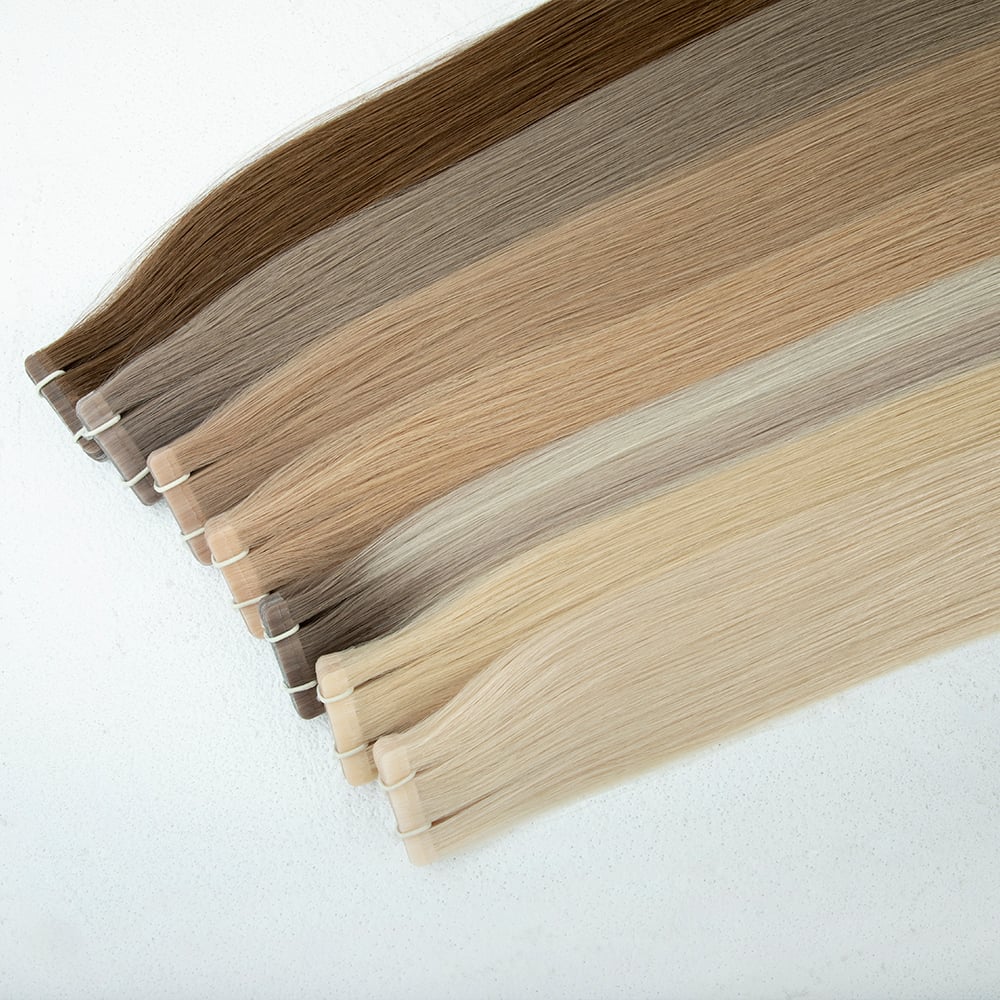

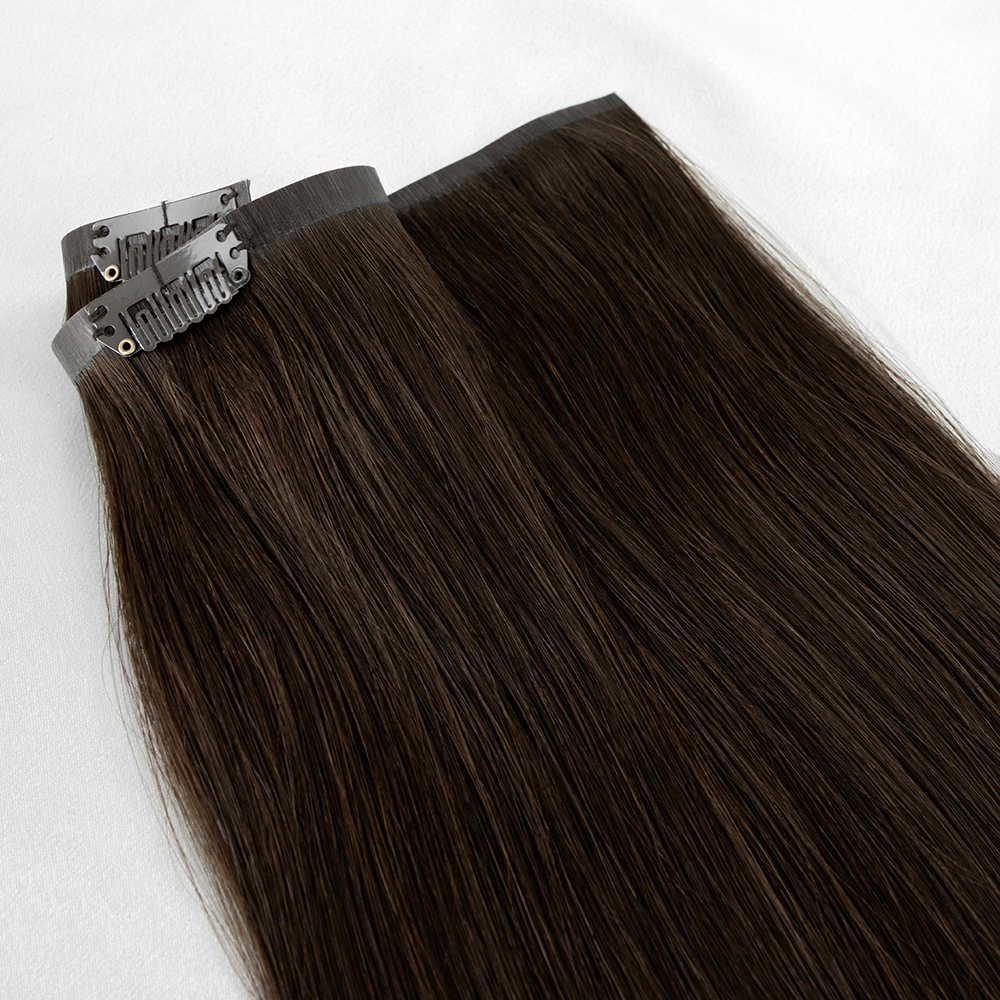
Sourcing authentic hair extensions from international suppliers requires careful quality verification to ensure customers receive genuine products. The global hair extension market has experienced significant growth, with Chinese manufacturers supplying a substantial portion of premium hair products worldwide. Understanding how to properly evaluate and verify hair quality becomes essential for businesses seeking to maintain their reputation and customer satisfaction. Professional buyers must develop comprehensive assessment strategies that encompass multiple verification methods and quality indicators. This systematic approach helps distinguish genuine products from inferior alternatives in an increasingly competitive marketplace.
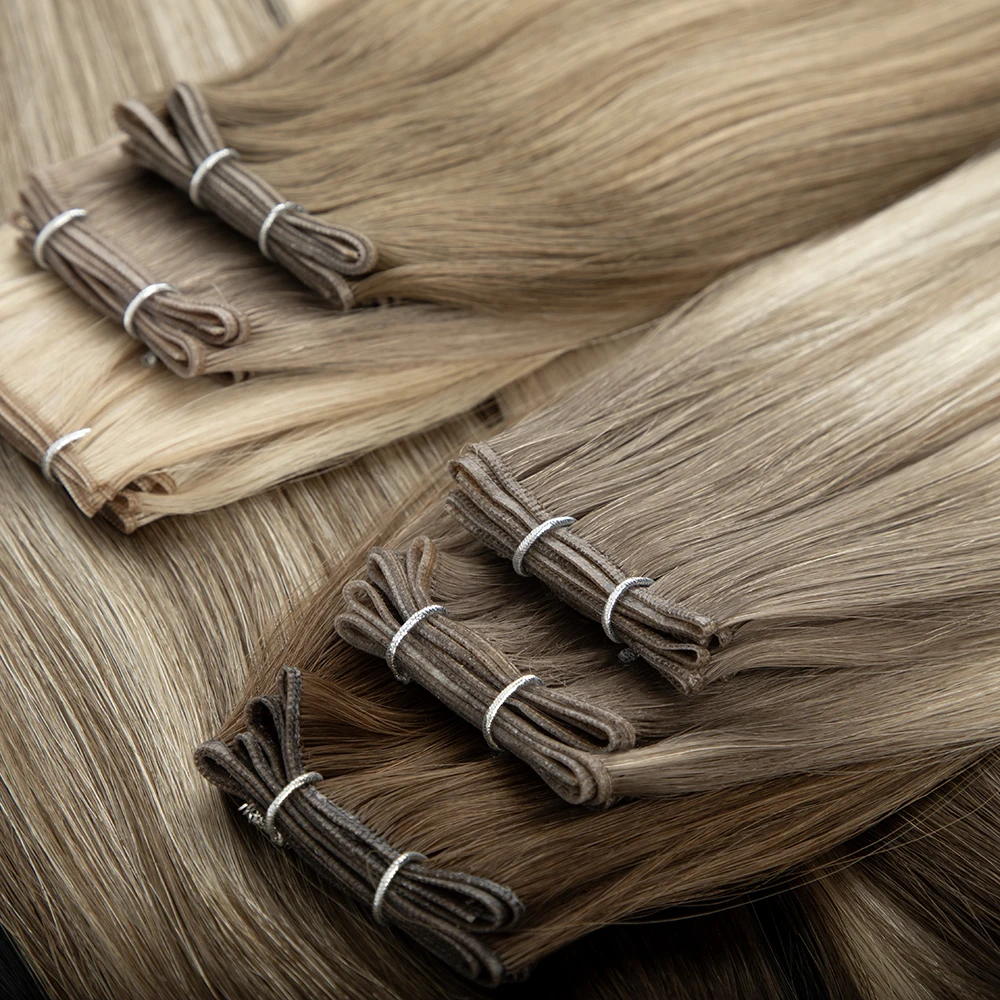
Authentic remy human hair maintains its natural cuticle layer with all strands aligned in the same direction from root to tip. This alignment prevents tangling and matting while preserving the hair's natural shine and movement. Professional suppliers implement strict collection processes that preserve cuticle integrity throughout harvesting and processing. The cuticle structure can be examined under magnification to verify proper alignment and confirm the absence of chemical damage or artificial treatments that compromise quality.
Quality assessment involves examining individual strands for consistent cuticle patterns and natural texture variations. Genuine products exhibit uniform thickness distribution and maintain their natural elasticity when gently stretched. The cuticle layer should appear smooth and intact without signs of excessive processing or chemical alteration. Professional evaluation techniques help distinguish authentic products from synthetic alternatives or heavily processed hair that lacks natural characteristics.
Authentic hair extensions demonstrate specific behavioral characteristics that synthetic or low-quality alternatives cannot replicate. Natural hair responds to heat styling tools with gradual temperature changes and maintains its structural integrity under normal styling conditions. The hair should feel soft and smooth to the touch while exhibiting natural movement and flow when manipulated. These properties remain consistent throughout the length of each strand and do not vary significantly between different sections of the same bundle.
Professional testing involves evaluating how the hair responds to moisture, heat, and styling products commonly used in salon environments. 100% remy human hair maintains its natural characteristics even after repeated washing and styling cycles. The hair should demonstrate consistent color distribution and retain its natural shine without requiring excessive conditioning treatments or chemical enhancements to maintain appearance.
Scientific analysis using high-powered microscopy provides definitive verification of hair authenticity and quality. Professional laboratories examine cuticle structure, cortex composition, and overall fiber integrity to confirm natural origin and processing methods. These examinations reveal the presence of synthetic fibers, chemical treatments, or structural damage that may not be visible during standard visual inspection. Microscopic analysis also identifies the specific origin characteristics that distinguish different hair types and quality grades.
Advanced testing protocols include cross-sectional analysis to evaluate internal structure and identify any artificial modifications or enhancements. The natural variation in fiber diameter and internal structure patterns provides clear indicators of authenticity that cannot be replicated in synthetic alternatives. Professional testing facilities utilize standardized procedures that ensure consistent results and provide detailed documentation for quality verification purposes. These scientific methods offer the most reliable confirmation of product authenticity and quality standards.
Comprehensive chemical testing identifies the presence of artificial additives, harsh processing chemicals, or synthetic components that may affect hair quality and performance. Professional analysis examines protein structure, moisture content, and chemical residue levels to verify natural composition and processing methods. These tests reveal whether the hair has undergone excessive bleaching, chemical straightening, or other treatments that compromise its natural properties and longevity.
Laboratory testing protocols include pH level assessment, protein integrity evaluation, and chemical residue detection to ensure compliance with quality standards. Authentic 100% remy human hair maintains specific chemical characteristics that remain consistent regardless of color or texture variations. Professional testing facilities provide detailed reports that document all chemical findings and compare results against established quality benchmarks for natural hair products.
Systematic visual examination forms the foundation of quality assessment and provides immediate insights into hair condition and authenticity. Professional evaluators examine color consistency, texture uniformity, and overall appearance to identify potential quality issues or processing irregularities. The inspection process includes evaluating strand thickness distribution, natural shine levels, and the presence of any artificial enhancements or treatments that may affect performance.
Comprehensive visual assessment involves examining the hair under various lighting conditions to identify color variations, texture inconsistencies, or processing artifacts. Authentic 100% remy human hair exhibits natural color depth and variation that synthetic alternatives cannot replicate accurately. The inspection process also includes evaluating root and tip conditions to ensure proper harvesting and processing techniques were employed throughout production.
Professional tactile assessment involves systematic evaluation of texture, softness, and natural movement characteristics that distinguish high-quality hair from inferior alternatives. Experienced evaluators can identify quality differences through careful manipulation and handling techniques that reveal structural integrity and processing quality. The assessment includes evaluating elasticity, smoothness, and natural flow characteristics that indicate proper cuticle alignment and minimal chemical processing.
Detailed tactile evaluation encompasses testing the hair's response to gentle stretching, combing, and styling manipulation to assess structural integrity and quality. Authentic products maintain consistent texture and feel throughout their length without sudden changes in smoothness or elasticity. Professional assessment techniques help identify potential quality issues that may not be apparent during initial visual inspection but could affect long-term performance and customer satisfaction.
Reputable suppliers provide comprehensive documentation that verifies product authenticity, quality standards, and compliance with international trade regulations. Professional certification includes detailed product specifications, processing methods, and quality control procedures that ensure consistent standards across all shipments. These documents provide essential information for buyers to verify product claims and establish confidence in supplier reliability and quality consistency.
Quality certification encompasses testing reports, processing documentation, and compliance verification that confirms adherence to established quality standards. Authentic 100% remy human hair suppliers maintain detailed records of sourcing, processing, and quality control procedures that can be verified through independent testing and evaluation. Professional documentation includes batch tracking information that enables quality traceability and ensures accountability throughout the supply chain.
Reliable suppliers maintain transparent supply chain practices that provide clear documentation of hair sourcing, processing, and quality control procedures. Professional suppliers offer detailed information about collection methods, processing facilities, and quality assurance protocols that ensure consistent product standards. This transparency enables buyers to verify supplier claims and establish confidence in product authenticity and quality consistency.
Comprehensive supply chain documentation includes facility certifications, processing equipment specifications, and quality control procedures that demonstrate commitment to maintaining high standards. Professional suppliers provide access to processing facility information and quality control records that verify their ability to consistently produce authentic 100% remy human hair products. This transparency helps buyers make informed decisions and establish long-term supplier relationships based on verified quality and reliability.
Professional quality control involves implementing standardized testing procedures that ensure consistent evaluation criteria and reliable results across all product shipments. These protocols encompass visual inspection, tactile assessment, and scientific testing methods that provide comprehensive quality verification. Standardized procedures help eliminate subjective evaluation variations and ensure objective quality assessment that meets established industry standards.
Comprehensive testing protocols include specific evaluation criteria for cuticle alignment, texture consistency, color uniformity, and structural integrity that provide reliable quality indicators. Professional testing procedures incorporate both immediate assessment methods and long-term performance evaluation to ensure products meet quality expectations throughout their intended lifespan. These standardized approaches help maintain consistent quality standards and provide reliable verification of product authenticity.
Systematic sample testing provides essential quality verification before committing to large quantity purchases from international suppliers. Professional testing protocols involve evaluating representative samples from each production batch to ensure consistency and verify quality claims. This approach helps identify potential quality variations and ensures that bulk shipments meet established standards and customer expectations.
Batch verification encompasses comprehensive testing of multiple samples from different production runs to assess consistency and identify any quality variations that may affect product performance. Professional evaluation includes documenting test results and maintaining quality records that enable traceability and accountability throughout the supply chain. This systematic approach helps ensure that 100% remy human hair products maintain consistent quality standards across all shipments and production batches.
Excessive chemical processing often results in visible damage indicators that compromise hair quality and performance characteristics. Professional evaluators look for signs of cuticle damage, color irregularities, and texture inconsistencies that suggest harsh processing methods or inadequate quality control. These indicators include brittle texture, unnatural shine levels, and irregular color distribution that distinguish processed hair from authentic natural products.
Chemical damage assessment involves evaluating hair elasticity, moisture retention, and response to styling treatments that reveal the extent of processing damage. Authentic 100% remy human hair maintains its natural properties even after color processing or texture modification when proper techniques are employed. Professional evaluation helps identify processing damage that may not be immediately apparent but could affect long-term performance and customer satisfaction.
Identifying synthetic fiber blends requires careful examination of texture variations, heat response, and natural movement characteristics that distinguish authentic hair from artificial alternatives. Professional detection methods include burn testing, microscopic examination, and behavioral assessment under various conditions. These techniques reveal the presence of synthetic components that may be blended with natural hair to reduce production costs while maintaining appearance.
Comprehensive synthetic detection involves evaluating how the hair responds to heat styling, chemical treatments, and mechanical manipulation that reveal synthetic characteristics. Professional assessment includes examining fiber consistency, natural variation patterns, and response to styling products that help identify artificial components. This evaluation helps ensure that products labeled as authentic 100% remy human hair contain only natural fibers without synthetic blends or artificial enhancements.
Visual and tactile inspection methods provide reliable initial assessment of hair authenticity without requiring laboratory analysis. Examine the cuticle alignment by running your fingers from root to tip, which should feel smooth, then reverse direction to feel slight resistance. Authentic 100% remy human hair exhibits natural color variation, consistent texture, and maintains its shape when gently stretched. The burn test can also help identify synthetic components, as natural hair burns slowly with a distinct protein smell, while synthetic fibers melt and produce chemical odors.
Professional suppliers should provide comprehensive certification including product specifications, processing methods, and quality control documentation. Essential documents include batch tracking information, facility certifications, and compliance verification that confirms adherence to international standards. Reputable suppliers also offer processing facility information, quality control records, and testing reports that verify their ability to consistently produce authentic products. This documentation enables buyers to verify supplier claims and establish confidence in product quality and consistency.
Quality testing frequency depends on supplier relationship history, order volume, and quality consistency patterns observed over time. New suppliers require sample testing for every batch until quality consistency is established through multiple successful shipments. Established suppliers with proven quality records may require periodic testing every few shipments, while maintaining spot-check protocols for ongoing verification. Professional buyers typically implement risk-based testing schedules that increase frequency when quality variations are detected or decrease when consistent standards are maintained.
Chemical damage detection involves evaluating hair elasticity, moisture retention, and structural integrity through systematic testing methods. Professional assessment includes examining cuticle condition under magnification, testing hair elasticity when wet, and evaluating response to styling treatments. Damaged hair typically exhibits reduced elasticity, irregular texture, and may break easily when stretched. Advanced detection methods include pH testing, protein structure analysis, and microscopic examination that reveal the extent of chemical processing and structural damage that may affect performance and longevity.

Qingdao LeShine Hair Products Co., Ltd. specializes in premium hair extensions made from 100% Remy cuticle-intact human hair. With over 32 years of experience, we offer durable, tangle-free extensions and customized solutions for customers in 164 countries.