 EN
EN
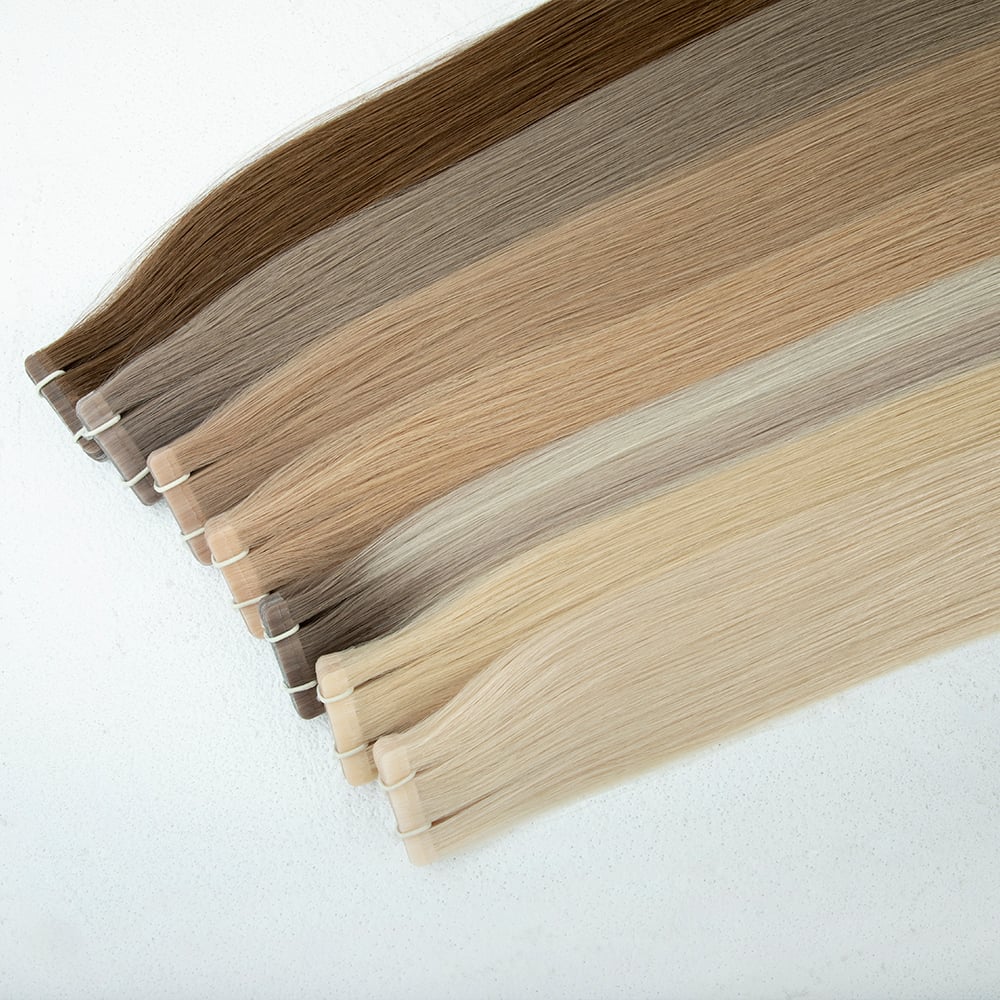

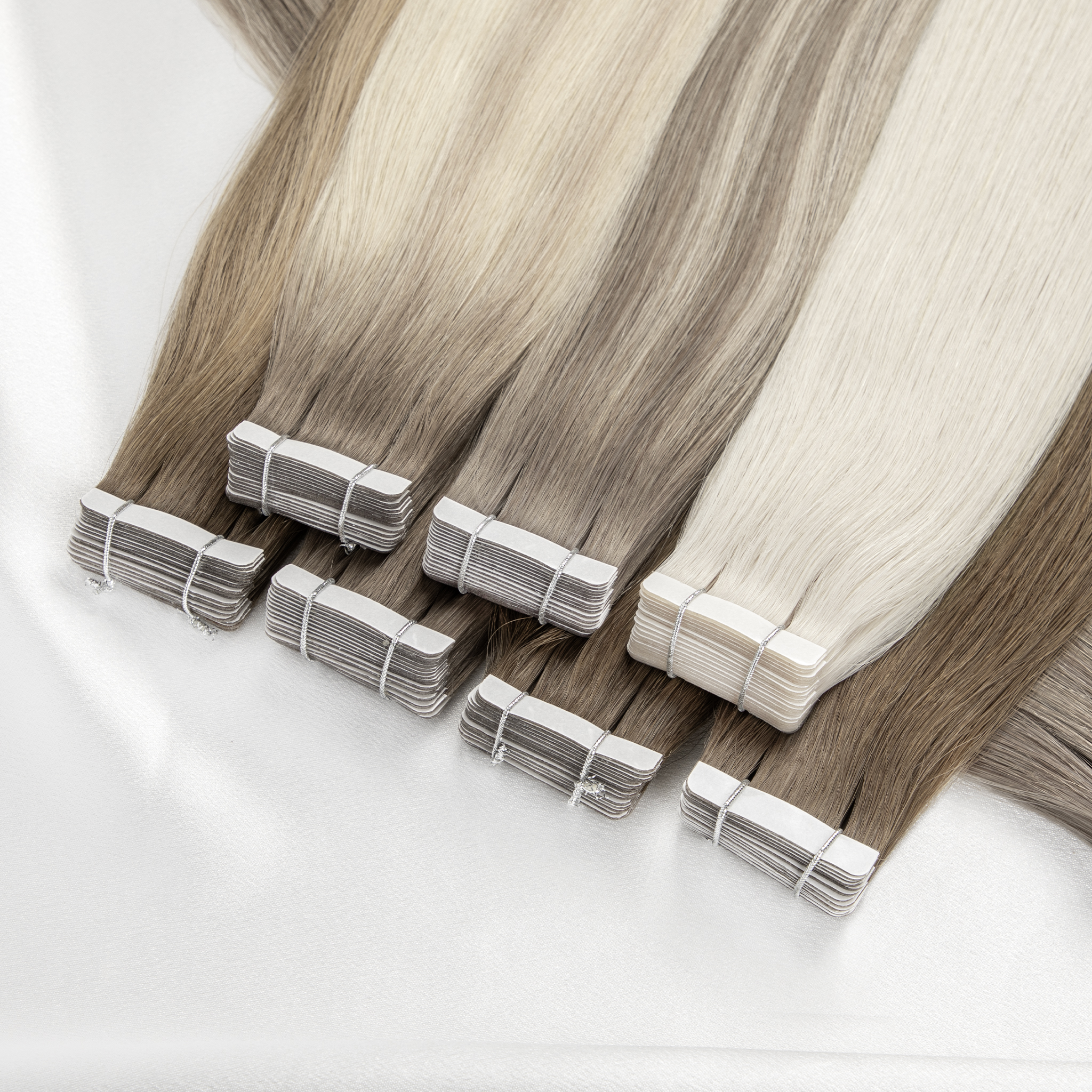
Professional tape hair extensions have revolutionized the beauty industry through advanced adhesive technology that mirrors medical-grade standards. As a specialized tape hair manufacturer, understanding the intricate balance between adhesive strength, skin compatibility, and hair protection requires years of research and development. The manufacturing process behind these extensions involves sophisticated polymer chemistry and precision engineering that ensures both durability and safety for extended wear.
The medical-grade adhesive technology used by professional tape hair manufacturers represents a significant advancement in hair extension applications. These adhesives undergo rigorous testing protocols similar to those used in medical device manufacturing, ensuring biocompatibility and minimizing allergic reactions. The technology enables seamless integration with natural hair while maintaining the flexibility and breathability necessary for healthy scalp conditions during extended wear periods.
The foundation of medical-grade adhesive technology lies in carefully engineered polymer chains that provide optimal bonding characteristics. Professional tape hair manufacturer facilities utilize acrylic-based polymers that offer superior adhesion while remaining gentle on hair and scalp tissue. These polymers are designed with specific molecular weights and cross-linking patterns that allow for strong initial tack while maintaining repositionability during application.
The adhesive formulation process involves precise temperature control and mixing protocols that ensure consistent molecular distribution throughout the tape substrate. Each batch undergoes spectroscopic analysis to verify polymer chain integrity and adhesive strength consistency. This level of quality control distinguishes professional tape hair manufacturer operations from standard cosmetic adhesive production, where such rigorous testing may not be standard practice.
Temperature resistance represents another critical aspect of the polymer chemistry involved in tape hair manufacturing. The adhesive must maintain its bonding properties across a wide temperature range, from cold outdoor environments to heated styling tools. Professional manufacturers achieve this through copolymer blending techniques that incorporate both flexible and rigid polymer segments within the same adhesive matrix.
Medical-grade adhesive technology requires extensive biocompatibility testing that follows international standards for skin contact materials. Every tape hair manufacturer committed to professional-grade products must conduct cytotoxicity testing, skin sensitization studies, and irritation assessments using standardized protocols. These tests ensure that the adhesive components do not cause adverse reactions when in prolonged contact with skin and hair follicles.
The testing process typically involves exposing cultured skin cells to adhesive extracts under controlled laboratory conditions. Professional tape hair manufacturer facilities maintain detailed documentation of these test results, including batch-specific data that traces adhesive performance to specific manufacturing runs. This traceability system allows for immediate identification and isolation of any problematic batches before they reach professional salons.
Patch testing protocols further validate the safety profile of medical-grade tape hair adhesives. These tests involve applying adhesive samples to volunteer subjects under controlled conditions, monitoring for any signs of allergic reactions or skin irritation over extended periods. The data collected from these studies informs ongoing adhesive formulation improvements and helps establish safe usage guidelines for professional applications.
The substrate material used in professional tape hair extensions requires specialized preparation to ensure optimal adhesive bonding and long-term durability. Leading tape hair manufacturer facilities utilize proprietary coating technologies that create micro-textured surfaces on the tape backing material. These surface modifications enhance adhesive penetration and mechanical interlocking, resulting in stronger bonds that resist environmental stress factors.
The coating process involves multiple stages of surface treatment, including plasma activation and chemical priming. Each stage is precisely controlled through automated systems that monitor temperature, humidity, and chemical concentration levels. This level of process control ensures that every tape hair extension receives identical surface preparation, eliminating batch-to-batch variation that could affect adhesive performance in professional applications.
Quality control measures during substrate preparation include microscopic examination of surface topology and adhesive penetration depth analysis. Professional tape hair manufacturer operations maintain detailed process documentation that tracks coating parameters for each production run. This documentation enables rapid troubleshooting if adhesive performance issues arise in field applications.
The application of medical-grade adhesive to tape hair substrates requires sophisticated dispensing systems that ensure uniform thickness and complete coverage. Professional manufacturing facilities employ gravure coating techniques that provide precise control over adhesive distribution patterns. These systems can maintain coating thickness variations within micrometers, ensuring consistent performance across entire production runs.
Curing processes for medical-grade adhesives involve carefully controlled thermal and chemical reactions that develop the final adhesive properties. The curing chambers used by professional tape hair manufacturer facilities maintain precise temperature and humidity profiles throughout the entire curing cycle. Advanced monitoring systems continuously track these parameters and automatically adjust conditions to compensate for environmental variations.
Post-curing quality assessment involves both mechanical testing and chemical analysis of the finished adhesive. Peel strength testing verifies that the adhesive meets specified bonding requirements, while chemical analysis confirms that the curing process has proceeded to completion. These quality control measures ensure that each tape hair extension meets the performance standards required for professional salon applications.
Professional tape hair extensions must maintain their adhesive properties under challenging environmental conditions, including high humidity, temperature fluctuations, and exposure to styling products. Advanced tape hair manufacturer facilities incorporate specialized additives into their adhesive formulations that enhance resistance to these environmental stressors. These additives include moisture-resistant polymers, antioxidants, and UV stabilizers that protect the adhesive matrix from degradation.
Accelerated aging tests simulate months or years of environmental exposure within controlled laboratory timeframes. These tests subject tape hair samples to elevated temperatures, humidity cycles, and UV radiation while monitoring adhesive performance parameters. The data collected from accelerated aging studies enables manufacturers to predict long-term performance and optimize formulations for specific climatic conditions.
Salt spray testing represents another critical environmental assessment for tape hair adhesives. This testing protocol exposes samples to saline mist conditions that simulate coastal environments or exposure to perspiration. Professional tape hair manufacturer operations use these test results to validate adhesive performance in challenging real-world conditions and to establish appropriate usage recommendations for different geographic regions.
Medical-grade adhesive technology must balance strong bonding performance with safe removal characteristics that protect natural hair integrity. Professional tape hair manufacturer facilities develop specialized release agents that facilitate easy removal without causing hair damage or leaving adhesive residue. These release agents work by temporarily disrupting the adhesive matrix, allowing for gentle separation of the extension from natural hair.
The chemistry behind safe removal involves understanding the molecular interactions between the adhesive and hair proteins. Professional manufacturers conduct extensive research into hair fiber structure and develop removal systems that minimize mechanical stress during the detachment process. This research often involves collaboration with cosmetic chemists and dermatologists to ensure that removal procedures maintain hair health.
Residue-free removal represents a significant technical challenge that requires precise adhesive formulation. The adhesive must completely release from hair fibers without leaving sticky deposits that could interfere with reapplication or cause hair tangling. Professional tape hair manufacturer operations achieve this through careful selection of base polymers and release modifiers that ensure clean separation under proper removal conditions.
Professional tape hair manufacturer operations recognize that superior adhesive technology requires proper application techniques to achieve optimal results. Many manufacturers provide comprehensive training programs that educate salon professionals on proper installation, maintenance, and removal procedures. These programs cover both theoretical knowledge about adhesive chemistry and practical hands-on experience with application techniques.
Certification programs validate that salon professionals have mastered the technical aspects of tape hair extension application. The certification process typically includes written examinations covering adhesive properties, safety protocols, and troubleshooting procedures. Practical examinations demonstrate proficiency in application techniques, timing considerations, and quality assessment methods that ensure consistent professional results.
Ongoing technical support represents a critical component of professional tape hair manufacturer services. This support includes access to technical specialists who can provide guidance on adhesive performance issues, environmental considerations, and application modifications for specific hair types. The support network often includes online resources, video tutorials, and regular updates on new techniques or product improvements.
Professional tape hair manufacturer facilities implement comprehensive quality assurance programs that monitor product performance from production through professional application. These programs include statistical process control systems that track key performance metrics throughout the manufacturing process. Real-time monitoring enables immediate identification and correction of any deviations from established quality standards.
Field performance monitoring provides valuable feedback on how tape hair extensions perform under actual salon conditions. Professional manufacturers often maintain networks of salon partners who provide regular reports on adhesive performance, client satisfaction, and any technical issues encountered during application or wear. This feedback informs ongoing product development and quality improvement initiatives.
Traceability systems enable rapid response to any performance issues that may arise in professional applications. Each production batch receives unique identification codes that link finished products to specific raw materials, processing conditions, and quality test results. This traceability capability allows manufacturers to quickly identify and address any systematic issues while minimizing impact on professional salon operations.
Medical-grade adhesive technology undergoes rigorous biocompatibility testing similar to medical device standards, including cytotoxicity testing, skin sensitization studies, and irritation assessments. The polymers used are specifically formulated for extended skin contact, with molecular structures designed to minimize allergic reactions while maintaining superior bonding strength. Standard cosmetic adhesives typically do not undergo this level of safety testing or use the same grade of biocompatible materials.
The complete manufacturing process for professional tape hair extensions typically requires 48-72 hours, including substrate preparation, adhesive application, curing cycles, and quality control testing. The curing process alone can take 24-48 hours depending on the specific adhesive formulation and environmental conditions. Professional tape hair manufacturer facilities maintain multiple production lines to ensure consistent supply while allowing adequate time for proper curing and quality assessment procedures.
High humidity, temperature fluctuations, exposure to chlorinated water, and certain styling products can impact adhesive performance. Professional tape hair manufacturer formulations include moisture-resistant polymers and environmental stabilizers to minimize these effects. Optimal performance occurs in humidity levels between 40-60% and temperatures between 65-75°F. Exposure to extreme conditions may require modified application techniques or specialized adhesive formulations designed for specific environmental challenges.
Professional tape hair manufacturer facilities employ statistical process control systems that monitor critical parameters including adhesive viscosity, coating thickness, curing temperatures, and peel strength testing. Each production batch undergoes comprehensive quality testing before release, with detailed documentation that enables full traceability. Automated monitoring systems continuously track manufacturing conditions and automatically adjust processes to maintain consistency. Any batches that fail to meet specifications are quarantined and investigated to prevent quality issues from reaching professional salons.

Qingdao LeShine Hair Products Co., Ltd. specializes in premium hair extensions made from 100% Remy cuticle-intact human hair. With over 32 years of experience, we offer durable, tangle-free extensions and customized solutions for customers in 164 countries.