 EN
EN

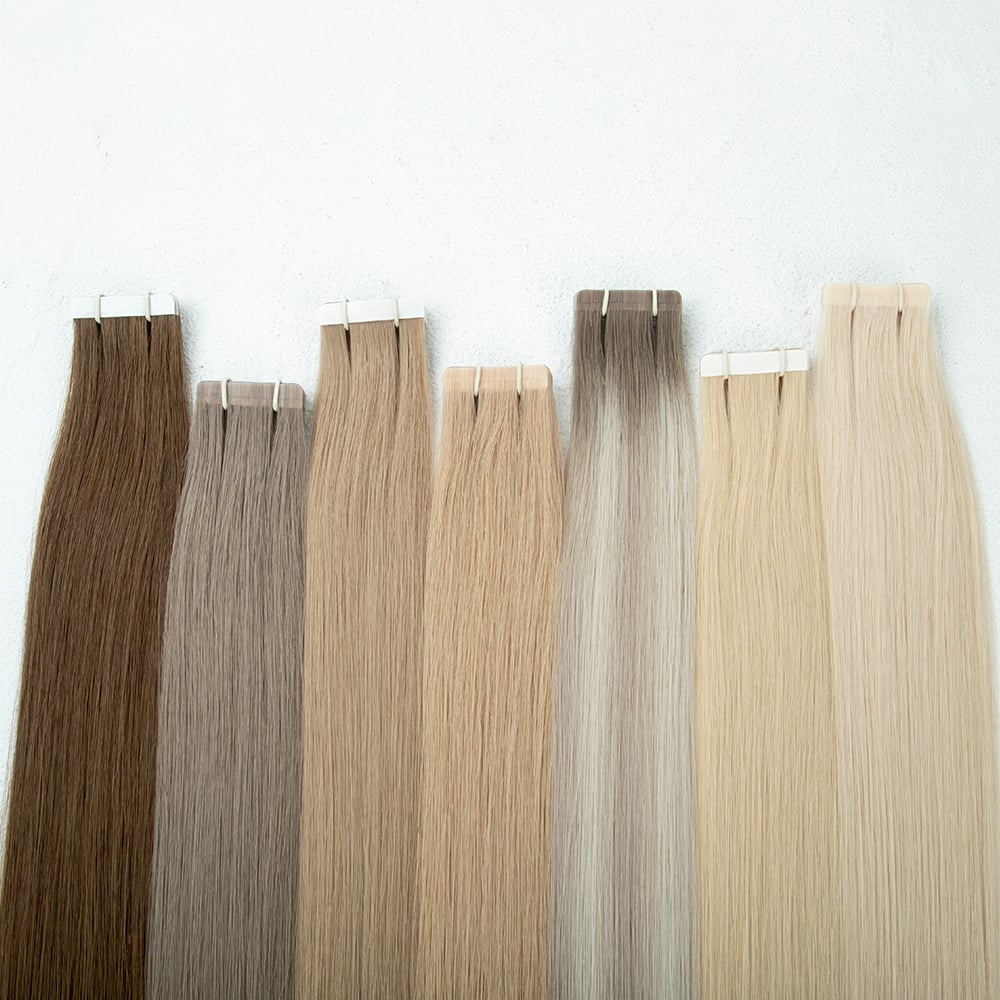
The global hair extension market has experienced unprecedented growth, with businesses worldwide seeking authentic, premium-quality real hair extensions to meet rising consumer demand. Professional salons, beauty retailers, and distributors face the critical challenge of identifying reliable manufacturers who can deliver consistent quality, competitive pricing, and ethical sourcing practices. Understanding the complexities of sourcing real hair extensions requires comprehensive knowledge of manufacturing processes, quality standards, and supplier evaluation criteria that directly impact business success and customer satisfaction.
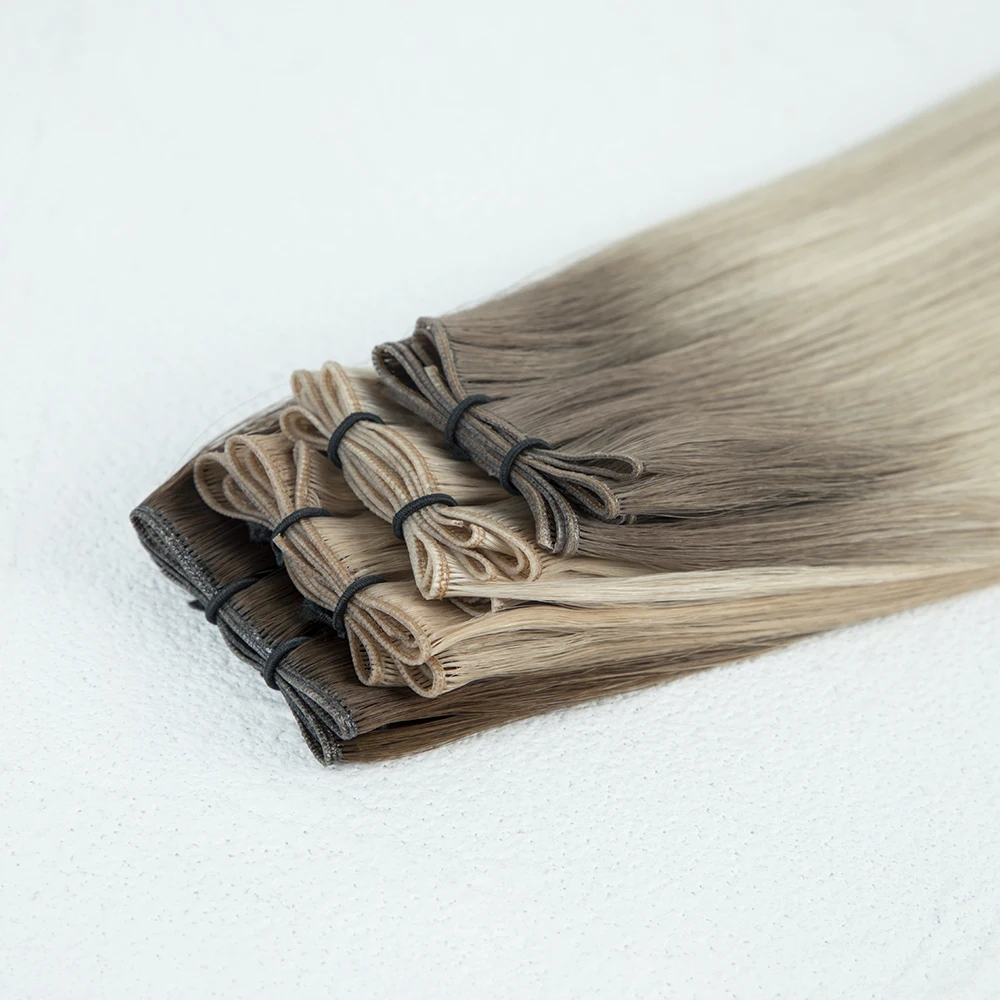
Authentic real hair extensions begin with proper raw material selection and verification processes. Professional manufacturers implement stringent quality control measures to ensure each strand meets industry standards for texture, strength, and longevity. The grading system typically ranges from premium single-donor hair to standard multi-donor collections, with each category serving specific market segments and price points. High-quality real hair extensions maintain their natural characteristics, including cuticle alignment, protein structure, and color consistency throughout the manufacturing process.
Advanced testing protocols evaluate hair porosity, elasticity, and chemical resistance to determine optimal processing methods. Reputable suppliers provide detailed documentation regarding hair origin, processing history, and quality certifications that validate product authenticity. These specifications enable businesses to make informed purchasing decisions while ensuring customer satisfaction through consistent product performance and appearance.
The transformation of raw hair into finished real hair extensions involves sophisticated manufacturing techniques that preserve natural properties while enhancing durability and styling versatility. Professional facilities utilize controlled environments to prevent contamination and maintain optimal processing conditions throughout production cycles. Temperature regulation, humidity control, and sterile handling procedures ensure that each batch meets established quality benchmarks.
Modern manufacturing incorporates gentle chemical treatments that enhance color retention and reduce tangling without compromising hair integrity. Steam processing, acid washing, and conditioning treatments are carefully calibrated to maintain the natural protein structure while improving manageability. Quality manufacturers document each processing step, creating comprehensive traceability records that support product warranties and quality assurance programs.
Comprehensive supplier evaluation begins with thorough factory assessments that examine production capabilities, quality systems, and operational efficiency. Professional buyers conduct detailed inspections of manufacturing facilities, focusing on equipment condition, worker training, and adherence to safety protocols. Production capacity analysis helps determine whether suppliers can meet projected demand while maintaining consistent quality standards for real hair extensions.
Environmental controls, waste management systems, and energy efficiency measures reflect supplier commitment to sustainable manufacturing practices. Modern facilities demonstrate technological advancement through automated processing equipment, computerized inventory management, and integrated quality control systems. These operational indicators provide valuable insights into supplier reliability and long-term partnership potential.
Legitimate manufacturers maintain current certifications from recognized industry organizations and regulatory bodies that validate their commitment to quality and ethical practices. ISO certification, OEKO-TEX standards, and regional quality marks demonstrate compliance with international manufacturing requirements. Suppliers should provide transparent documentation regarding labor practices, environmental impact, and social responsibility initiatives that align with corporate purchasing policies.
Regular audits and compliance reviews ensure ongoing adherence to established standards while identifying opportunities for continuous improvement. Third-party verification services offer independent assessment of supplier capabilities and quality systems, providing additional confidence in sourcing decisions. These verification processes protect businesses from supply chain risks while supporting ethical sourcing objectives.
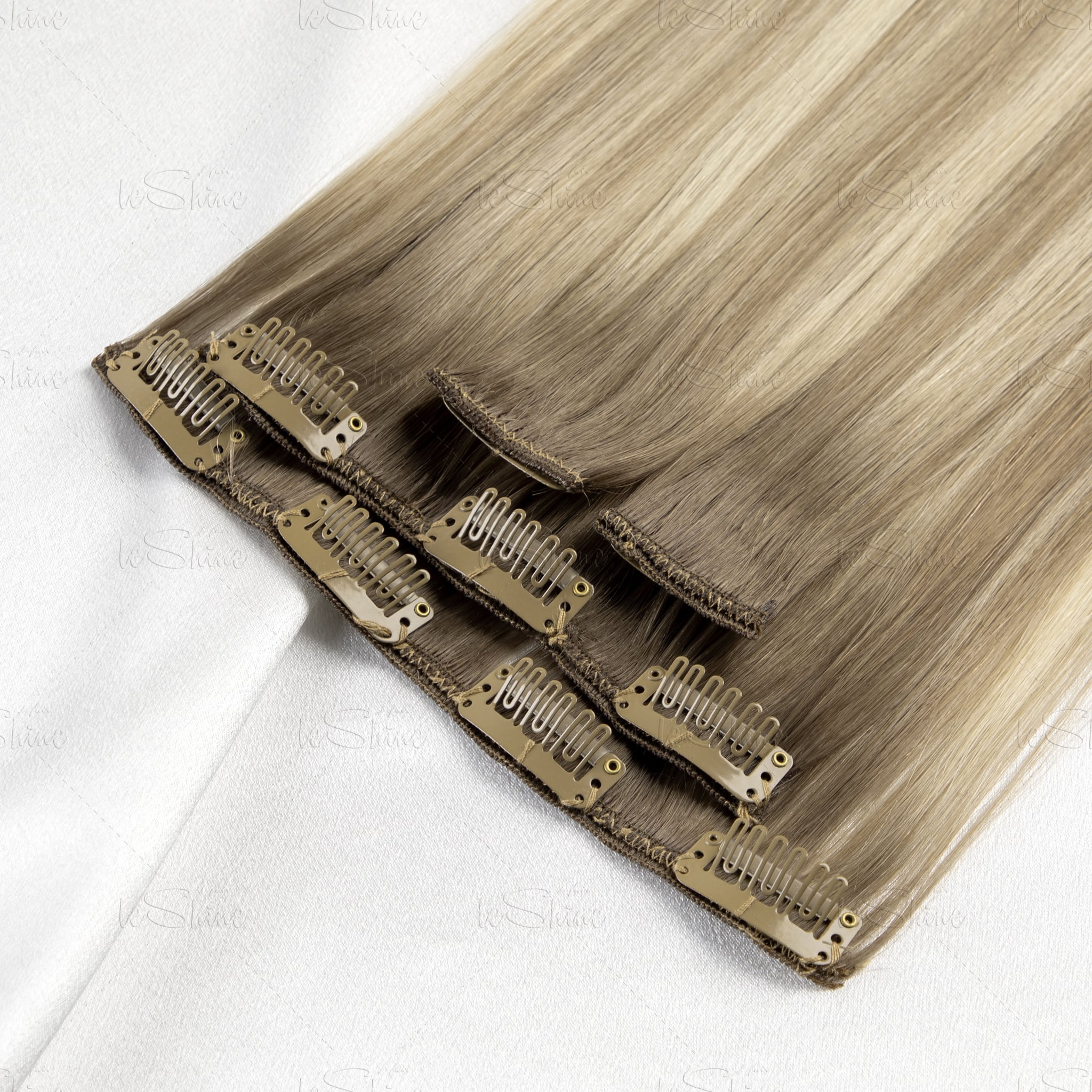
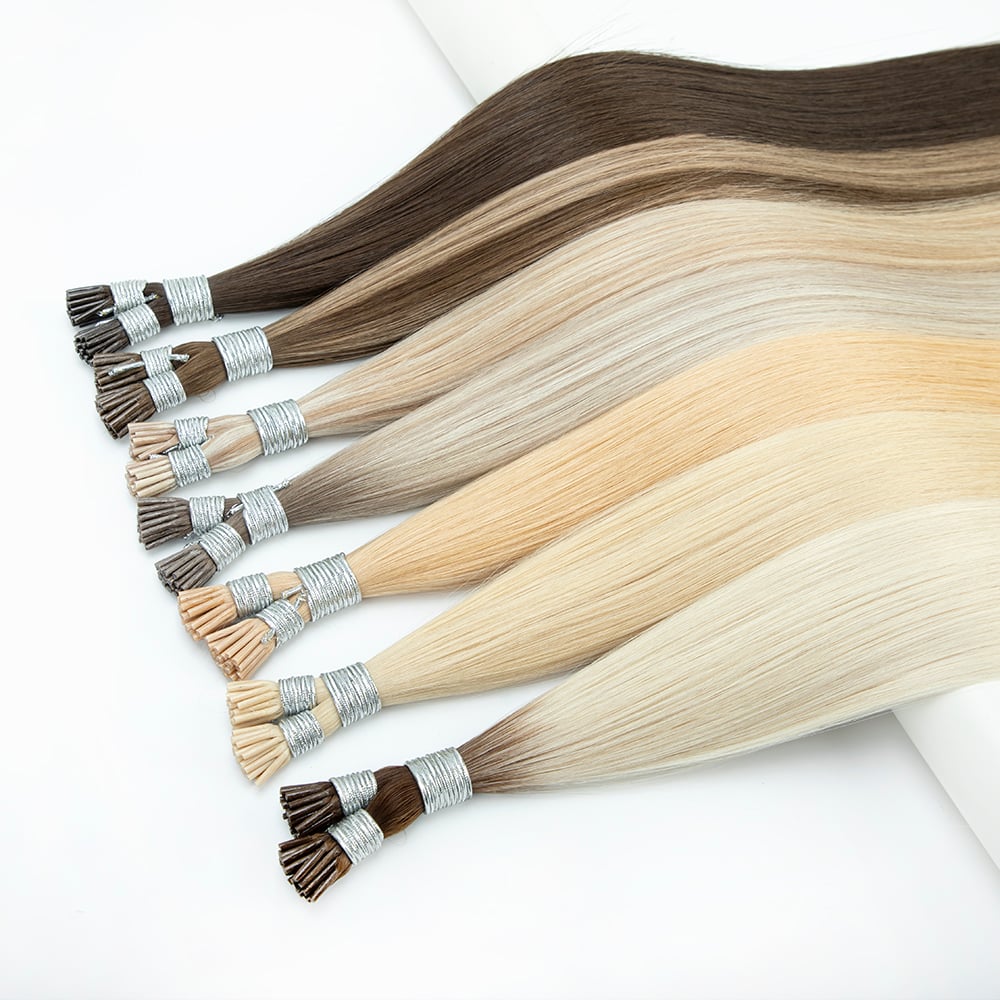
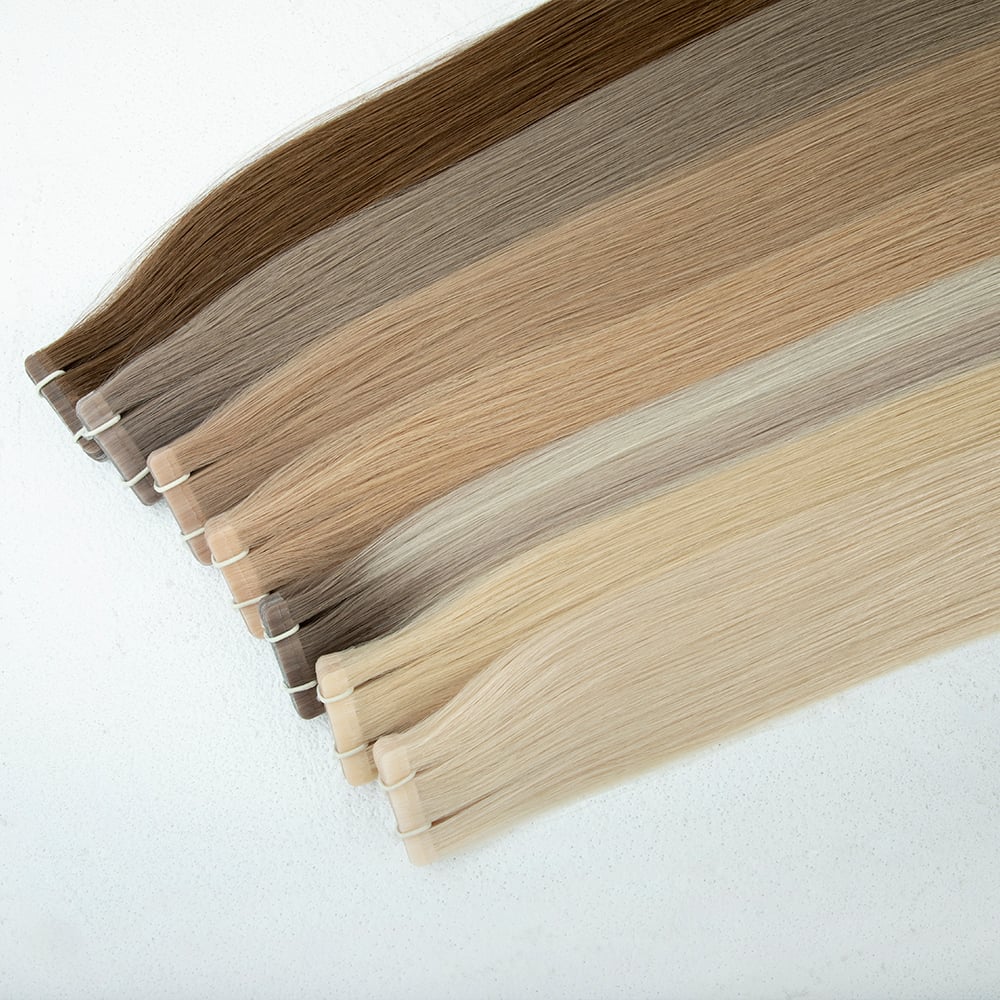
The real hair extensions market encompasses diverse product categories designed to meet specific styling requirements and application methods. Clip-in extensions offer temporary volume and length solutions for occasional use, while tape-in systems provide semi-permanent installation options for extended wear periods. Fusion and micro-link methods deliver long-term attachment solutions that integrate seamlessly with natural hair growth patterns.
Professional-grade real hair extensions include specialized products for bridal applications, theatrical use, and celebrity styling services. Each category requires specific processing techniques, packaging formats, and installation accessories that influence pricing structures and market positioning strategies. Understanding these distinctions enables businesses to develop targeted product offerings that align with customer needs and market demands.
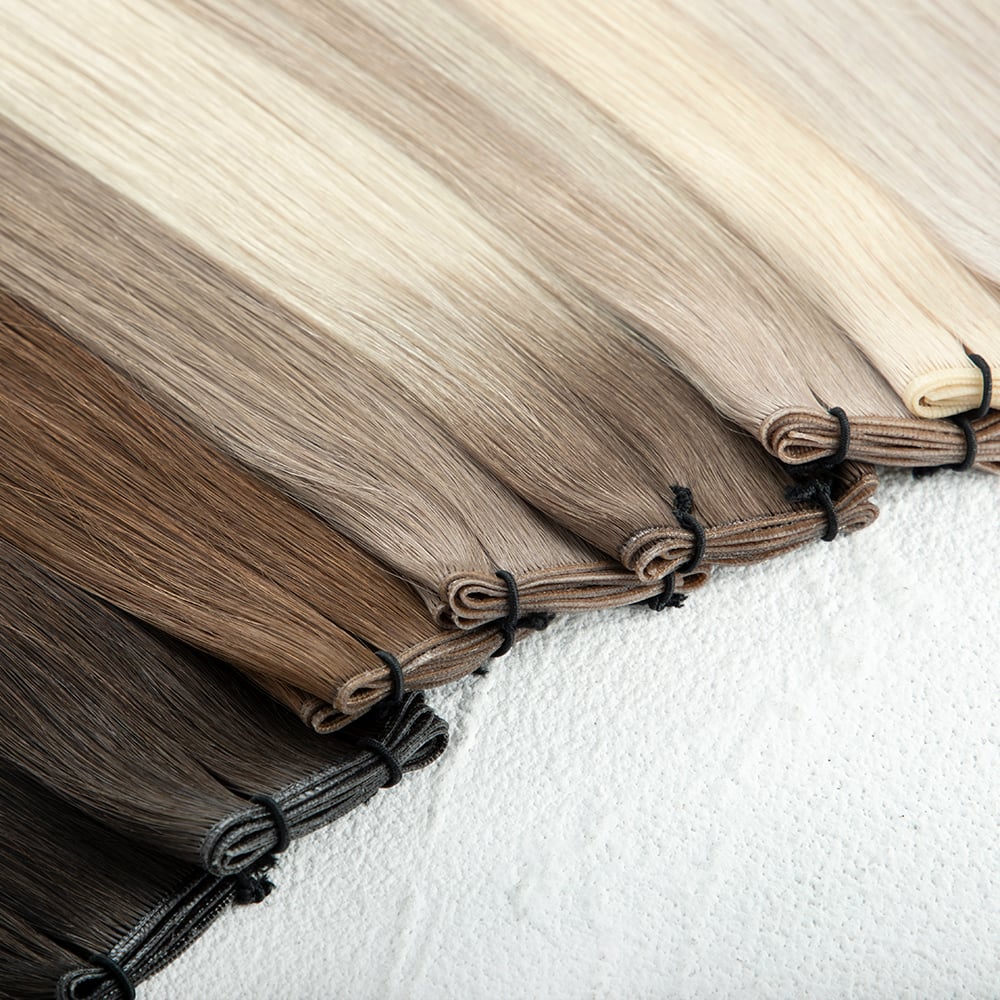
Advanced color matching capabilities distinguish premium suppliers from standard manufacturers in the competitive real hair extensions marketplace. Professional colorists utilize specialized lighting systems and standardized color charts to ensure accurate shade representation across different product lines. Custom coloring services accommodate specific client requirements while maintaining consistency with natural hair tones and trending fashion colors.
Gradient coloring, highlight integration, and balayage techniques create sophisticated products that command premium pricing in professional markets. These customization options require skilled technicians, specialized equipment, and extensive color knowledge that represent significant investment for manufacturers. Suppliers offering comprehensive customization services typically serve high-end salon markets and celebrity styling professionals.
Effective pricing strategies for real hair extensions require comprehensive understanding of market dynamics, production costs, and competitive positioning factors. Raw material costs fluctuate based on seasonal availability, regional economic conditions, and quality specifications that directly impact final product pricing. Manufacturers must balance cost efficiency with quality standards to maintain competitive advantage while ensuring sustainable profit margins.
Volume pricing structures reward larger orders through graduated discounts that reflect economies of scale in manufacturing and logistics operations. Seasonal pricing adjustments accommodate market demand fluctuations and inventory management requirements that influence annual profitability. Understanding these pricing mechanisms enables buyers to optimize purchasing strategies while building mutually beneficial supplier relationships.
Comprehensive cost analysis extends beyond initial purchase prices to include shipping, handling, customs duties, and quality assurance expenses that impact total ownership costs. International sourcing involves currency exchange risks, trade regulation compliance, and extended lead times that require careful financial planning and risk management strategies. These factors significantly influence supplier selection decisions and long-term profitability projections.
Quality-related costs include product returns, warranty claims, and customer service expenses that result from inferior products or manufacturing defects. Investing in premium real hair extensions from established manufacturers typically reduces these hidden costs while improving customer satisfaction and brand reputation. Total cost analysis provides clearer insight into supplier value propositions and long-term partnership benefits.
Systematic sampling protocols ensure that bulk production matches approved specifications and quality standards established during initial product development phases. Professional suppliers provide comprehensive sample sets that demonstrate color accuracy, texture consistency, and construction quality across different product lines. These samples undergo rigorous testing procedures that evaluate durability, styling performance, and appearance retention under various conditions.
Approval processes include detailed documentation of product specifications, testing results, and quality benchmarks that guide production planning and quality control procedures. Changes to approved specifications require formal approval processes that maintain consistency and prevent quality degradation during manufacturing cycles. These protocols protect buyers from receiving substandard products while ensuring supplier accountability for meeting established standards.
Continuous quality monitoring throughout production cycles identifies potential issues before they impact final product quality or delivery schedules. Statistical sampling methods provide representative quality data while minimizing testing costs and production delays. Real-time quality feedback enables rapid corrective actions that prevent widespread quality issues and minimize waste generation.
Automated testing equipment measures critical parameters including tensile strength, color fastness, and chemical resistance that determine product performance and longevity. Quality documentation systems track batch-specific data that supports traceability requirements and warranty claims processing. These comprehensive quality systems demonstrate supplier commitment to excellence while providing buyers with confidence in product consistency and reliability.
Effective supply chain management begins with accurate demand forecasting that considers seasonal trends, market growth patterns, and customer purchasing behaviors. Real hair extensions experience significant demand variations during peak seasons including wedding periods, holiday celebrations, and fashion week events that require strategic inventory planning. Suppliers must maintain adequate stock levels while minimizing carrying costs and obsolescence risks.
Collaborative planning processes involve buyers and suppliers working together to develop realistic forecasts that balance customer service objectives with inventory optimization goals. Advanced planning systems utilize historical data, market intelligence, and statistical modeling to improve forecast accuracy and reduce supply chain risks. These collaborative relationships strengthen supplier partnerships while improving overall supply chain performance and responsiveness.
International sourcing of real hair extensions requires sophisticated logistics management that addresses shipping, customs clearance, and regulatory compliance requirements. Professional freight forwarders provide specialized services for beauty products including proper classification, documentation preparation, and regulatory compliance verification. These services minimize delays and reduce costs associated with international trade operations.
Customs valuation, duty calculation, and import permit requirements vary by destination country and require expert knowledge to ensure compliance and cost optimization. Consolidated shipping options provide cost savings for smaller orders while maintaining reasonable delivery timeframes. Understanding these logistics complexities enables businesses to develop realistic delivery expectations and pricing strategies for international markets.
Successful long-term relationships with real hair extensions suppliers require mutual commitment to quality, transparency, and continuous improvement initiatives. Regular communication schedules, performance reviews, and strategic planning sessions strengthen partnerships while addressing challenges proactively. Joint problem-solving approaches demonstrate commitment to mutual success while building trust and cooperation between organizations.
Investment in supplier development programs, technology upgrades, and process improvements creates shared value that benefits both parties through improved efficiency and quality outcomes. These collaborative investments demonstrate long-term commitment while creating competitive advantages that benefit all stakeholders. Successful partnerships often evolve into exclusive arrangements that provide strategic advantages in rapidly changing markets.
Comprehensive performance monitoring systems track key metrics including quality performance, delivery reliability, and customer satisfaction scores that reflect supplier effectiveness. Regular performance reviews provide opportunities to address issues, recognize achievements, and establish improvement objectives for future periods. Data-driven performance management creates objective assessment criteria that support fair evaluation and continuous improvement initiatives.
Benchmarking activities compare supplier performance against industry standards and competitive alternatives to identify opportunities for enhancement. Shared improvement initiatives leverage combined resources and expertise to achieve breakthrough results that benefit both organizations. These collaborative improvement efforts strengthen relationships while driving superior performance outcomes that support long-term success.
Authentic real hair extensions can be verified through several testing methods including burn tests, chemical analysis, and microscopic examination of cuticle structure. Reputable manufacturers provide certificates of authenticity, detailed sourcing documentation, and allow independent testing of samples. Professional buyers should request comprehensive product specifications, manufacturing process details, and quality control certifications that validate product authenticity and manufacturing standards.
Minimum order quantities for real hair extensions typically range from 50 to 500 pieces per style and color, depending on manufacturer capabilities and product complexity. Premium single-donor hair products often require higher minimums due to limited availability and specialized processing requirements. Custom colors and lengths may have different minimum requirements that reflect additional processing costs and setup time. Established suppliers often provide flexible ordering options for qualified customers with proven purchasing history.
Seasonal demand patterns significantly impact both pricing and availability of real hair extensions throughout the year. Peak seasons including spring wedding periods, holiday celebrations, and back-to-school timing create increased demand that can affect pricing and lead times. Raw material availability fluctuates based on regional collection patterns and economic conditions in source countries. Experienced buyers plan inventory purchases during off-peak periods to secure better pricing and ensure adequate stock for high-demand seasons.
Professional manufacturers should maintain ISO quality management certifications, OEKO-TEX safety standards, and regional compliance certifications that validate their manufacturing processes and product safety. Ethical sourcing certifications demonstrate commitment to responsible business practices and supply chain transparency. Third-party quality audits, factory inspection reports, and laboratory testing certificates provide additional validation of supplier capabilities and quality standards. These certifications help buyers mitigate risks while ensuring consistent product quality and regulatory compliance.

Qingdao LeShine Hair Products Co., Ltd. specializes in premium hair extensions made from 100% Remy cuticle-intact human hair. With over 32 years of experience, we offer durable, tangle-free extensions and customized solutions for customers in 164 countries.