 EN
EN
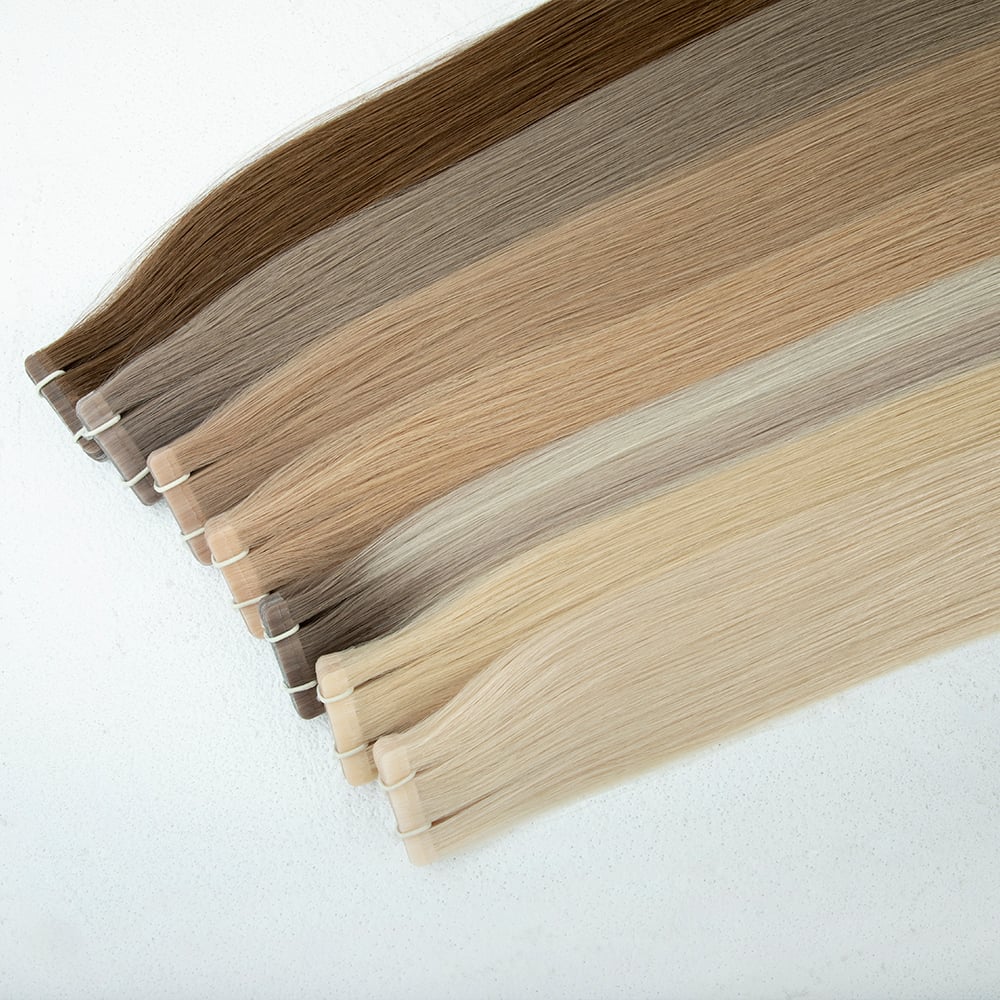

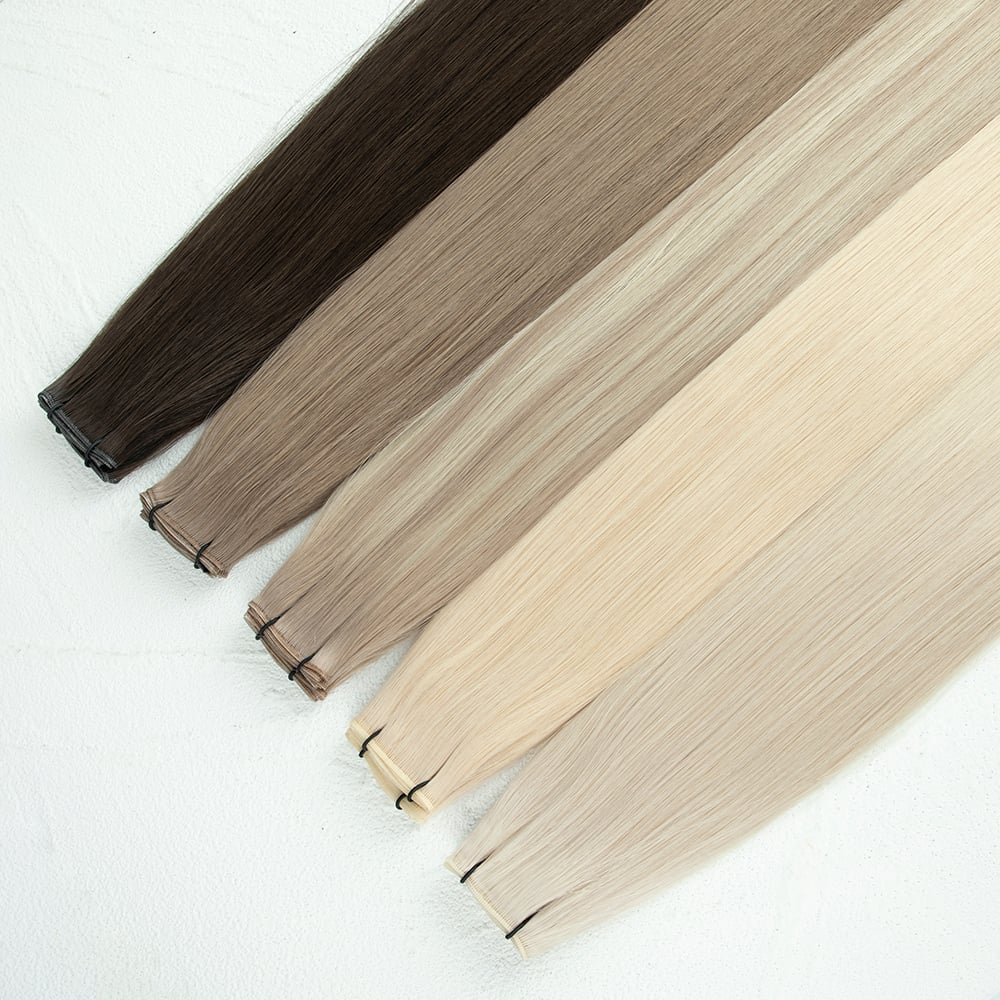
Installing tape hair extensions has become one of the most popular methods for achieving fuller, longer hair with minimal damage and maximum comfort. This revolutionary application technique uses medical-grade adhesive tape to attach extensions directly to your natural hair, creating a seamless blend that feels incredibly natural. When properly applied, tape hair extensions lay completely flat against the scalp, eliminating bulk and ensuring optimal comfort for extended wear. The installation process requires precision, technique, and the right products to achieve professional results that can last for several weeks without compromising the health of your natural hair.
Modern tape hair extensions feature a sophisticated construction that prioritizes both performance and comfort during wear. The adhesive strips use a double-sided tape system that bonds securely to natural hair while maintaining flexibility for natural movement. High-quality extensions incorporate breathable adhesive materials that allow air circulation to the scalp, preventing irritation and maintaining healthy hair follicles. The hair itself is typically sourced from premium donors and undergoes extensive processing to ensure cuticle alignment and color consistency. Professional-grade extensions feature reinforced tape edges that prevent lifting and provide extended wearability without compromising the natural appearance.
Selecting appropriate tape hair requires careful consideration of your natural hair characteristics and lifestyle requirements. Hair texture, density, and growth patterns directly influence extension selection and placement strategies. Fine hair types benefit from lightweight extensions with smaller tape widths, while thicker hair can accommodate fuller tape hair pieces for enhanced volume. Color matching extends beyond surface appearance to include undertones and multi-dimensional highlighting that creates seamless integration. Length selection should consider natural hair growth rates and maintenance schedules to ensure consistent appearance throughout the wear period. Professional consultation often reveals compatibility factors that may not be immediately apparent to inexperienced installers.
Proper preparation begins with comprehensive hair analysis to determine optimal placement zones and sectioning patterns. The scalp must be thoroughly cleaned to remove product buildup, natural oils, and environmental residue that could compromise adhesive bonding. Strategic sectioning creates uniform placement opportunities while maintaining natural hair flow and movement patterns. Each section should be measured precisely to ensure adequate natural hair coverage above and below each tape hair piece. Professional installers often use specialized tools to create perfectly straight, even sections that facilitate optimal bonding and reduce visible lines. The preparation phase also involves evaluating hair health and identifying any areas that may require special attention during installation.
Successful installations depend heavily on using premium products specifically designed for tape hair applications. Professional-grade adhesive removers, sectioning tools, and application accessories ensure consistent results and minimize installation time. High-quality tape hair extensions feature superior adhesive formulations that provide strong initial bonding while remaining gentle enough for safe removal. Tool organization streamlines the installation process and prevents delays that could compromise adhesive effectiveness. Essential equipment includes precision sectioning combs, application tools, and finishing products that enhance the final appearance. Many professionals recommend having backup supplies available to address unexpected challenges during the installation process.
Creating optimal sectioning patterns requires understanding natural hair growth directions and scalp contours that influence extension placement. The installation begins at the nape area and progresses systematically toward the crown, ensuring each tape hair piece integrates seamlessly with surrounding natural hair. Horizontal sections should maintain consistent spacing to prevent visible gaps or overlapping that could create bulk or discomfort. The placement height critically affects both appearance and longevity, with properly positioned extensions sitting close enough to the scalp for security while allowing natural hair growth. Professional techniques involve slight angle adjustments that accommodate individual head shapes and hair growth patterns for optimal comfort and appearance.
The bonding process requires precise timing and pressure application to achieve maximum adhesive effectiveness without damaging natural hair. Each tape hair piece must be positioned accurately before final bonding, as repositioning can compromise adhesive strength and create weak points. Consistent pressure application across the entire tape surface ensures uniform bonding without air pockets or gaps that could allow moisture infiltration. Temperature control during installation affects adhesive performance, with optimal room conditions promoting proper curing and initial bonding strength. Professional installers often use specialized tools that distribute pressure evenly while preventing damage to the extension hair or natural hair strands. The curing period immediately following application requires specific handling to prevent premature failure or displacement.
Proper tension management during installation directly impacts long-term comfort and the characteristic flat finish that makes tape hair extensions so appealing. Excessive tension can cause discomfort, premature loosening, and potential damage to natural hair follicles. The installation technique should distribute weight evenly across multiple attachment points to prevent concentrated stress on individual hair sections. Professional methods involve adjusting placement based on natural hair density variations to ensure balanced weight distribution throughout the head. Proper sectioning creates adequate support structure while maintaining the flexibility needed for natural movement and styling. The finished installation should feel secure without creating pulling sensations or pressure points that indicate improper technique.
Creating an undetectable finish requires careful attention to blending techniques that integrate extensions seamlessly with natural hair. The tape hair installation should lay completely flat against the scalp without creating visible ridges or texture changes that reveal the presence of extensions. Proper trimming and layering techniques help eliminate harsh lines and create natural-looking transitions between extension and natural hair lengths. Color blending may require professional techniques to ensure perfect integration, particularly when working with multi-tonal or highlighted natural hair. The finishing process often includes strategic styling that enhances the natural appearance while showcasing the added length and volume. Professional installations consistently achieve results that remain undetectable even under close inspection.
Maintaining tape hair extensions requires specific daily care routines that preserve both the extension quality and adhesive integrity throughout the wear period. Gentle brushing techniques using appropriate tools prevent tangling while avoiding stress on the attachment points that could cause premature loosening. Styling product selection becomes critical, as certain formulations can compromise adhesive bonds or create buildup that affects appearance and comfort. Heat styling requires temperature limitations and protective products to prevent damage to both the extension hair and adhesive materials. Professional-grade maintenance products are specifically formulated to work with tape hair systems without compromising performance. Regular inspection of attachment points allows early detection of any issues that might require professional attention.
Scheduled maintenance appointments ensure optimal performance throughout the entire wear cycle while addressing any developing issues before they become problematic. Professional services include repositioning of loose extensions, adhesive refreshing, and general assessment of overall installation integrity. Regular maintenance also provides opportunities to adjust placement based on natural hair growth and changing style preferences. Many professionals recommend maintenance schedules that coincide with natural hair growth cycles to maintain optimal appearance and comfort levels. These appointments often include specialized treatments that enhance both extension and natural hair health. Professional monitoring helps identify when complete reinstallation becomes necessary for continued optimal performance.
Adhesive-related challenges often stem from preparation inadequacies or environmental factors that affect bonding performance during installation. Poor initial bonding typically results from residual oils, products, or moisture that create barriers between the tape hair adhesive and natural hair surfaces. Temperature and humidity conditions during installation can significantly impact adhesive curing and long-term performance characteristics. Professional diagnosis of adhesive failures helps identify whether issues stem from product quality, application technique, or maintenance factors. Corrective measures often require complete removal and reinstallation using improved preparation techniques and environmental controls. Understanding adhesive chemistry helps installers make informed decisions about product selection and application modifications for challenging situations.
Comfort issues typically indicate placement or tension problems that require immediate professional attention to prevent long-term damage or client dissatisfaction. Proper assessment involves identifying specific pressure points or areas of discomfort that may indicate improper sectioning or excessive tension during installation. Adjustment techniques often involve repositioning individual tape hair pieces or modifying sectioning patterns to improve weight distribution and reduce stress concentration. Professional experience helps identify comfort issues that may not be immediately apparent but could develop into significant problems over time. Client communication during and after installation provides valuable feedback for optimizing comfort while maintaining the desired aesthetic results. Many comfort issues can be prevented through proper consultation and realistic expectation setting before beginning the installation process.
Professional heat styling techniques for tape hair require specific temperature controls and protective products to maintain extension integrity while achieving desired styling results. The adhesive materials used in quality tape hair systems can withstand moderate heat exposure when proper protective measures are implemented throughout the styling process. Thermal protection products create barriers that prevent direct heat contact with adhesive areas while allowing normal styling flexibility for the hair itself. Professional-grade styling tools with precise temperature controls enable safe styling without compromising the longevity of the extension system. Understanding the thermal limitations of different tape hair products helps stylists make informed decisions about appropriate styling techniques and tool selection. Regular thermal styling requires ongoing assessment of adhesive condition to ensure continued performance and client satisfaction.
Chemical treatments involving tape hair installations require specialized knowledge of how various formulations interact with both extension hair and adhesive materials. Professional colorists must understand the limitations and capabilities of tape hair systems when performing highlighting, lowlighting, or color correction services. The timing of chemical processes relative to installation schedules can significantly impact both the appearance and longevity of the extension system. Some chemical treatments may require temporary removal of tape hair pieces to prevent damage or compromised results. Professional consultation helps clients understand which chemical services are compatible with their extension systems and when modifications or special precautions may be necessary. Proper planning ensures that both natural hair and extension goals can be achieved without compromising either component.
Professional tape hair installations typically provide 6-8 weeks of optimal wear when properly maintained and cared for according to professional guidelines. The longevity depends significantly on natural hair growth rate, maintenance routine quality, and lifestyle factors such as exercise frequency and styling habits. High-quality extensions with superior adhesive systems often exceed standard wear expectations when installed by experienced professionals using appropriate techniques. Regular maintenance appointments can extend wearability by addressing minor issues before they compromise overall performance. Individual results may vary based on hair type, scalp condition, and adherence to recommended care protocols throughout the wear period.
Quality tape hair extensions can often be reinstalled multiple times when properly removed and maintained between applications. The reinstallation process requires complete adhesive removal, thorough cleaning, and application of fresh tape systems designed for reuse applications. Professional assessment determines whether individual pieces remain suitable for reinstallation based on hair condition, previous wear patterns, and overall integrity. Proper storage between uses helps maintain extension quality and extends the total lifespan of premium hair systems. Most professional-grade extensions support 2-3 reinstallation cycles when handled by experienced technicians using appropriate removal and preparation techniques.
Tape hair systems perform optimally on medium to thick hair densities that provide adequate natural hair for secure bonding and coverage of attachment points. Fine hair can successfully accommodate tape hair when lightweight options are selected and strategic placement techniques are employed to prevent damage. Extremely damaged or chemically compromised hair may require treatment and strengthening before tape hair installation to ensure safe and effective results. Hair length requirements typically include at least 4-5 inches of natural hair to properly conceal attachment points and achieve seamless blending. Professional consultation helps determine individual suitability and identify any preparations needed for optimal results with specific hair types and conditions.
Proper preparation involves washing hair with clarifying shampoo 24 hours before installation to remove product buildup and natural oils that could compromise adhesive bonding. Avoid using conditioner, styling products, or treatments on the day of installation to ensure clean hair surfaces for optimal tape hair adhesion. Hair should be completely dry and free from any residual moisture or humidity that could interfere with the bonding process. Professional consultation prior to installation helps identify any specific preparation requirements based on individual hair characteristics and previous chemical treatments. Arriving with clean, product-free hair significantly improves installation efficiency and ensures maximum adhesive performance throughout the wear period.

Qingdao LeShine Hair Products Co., Ltd. specializes in premium hair extensions made from 100% Remy cuticle-intact human hair. With over 32 years of experience, we offer durable, tangle-free extensions and customized solutions for customers in 164 countries.