 EN
EN
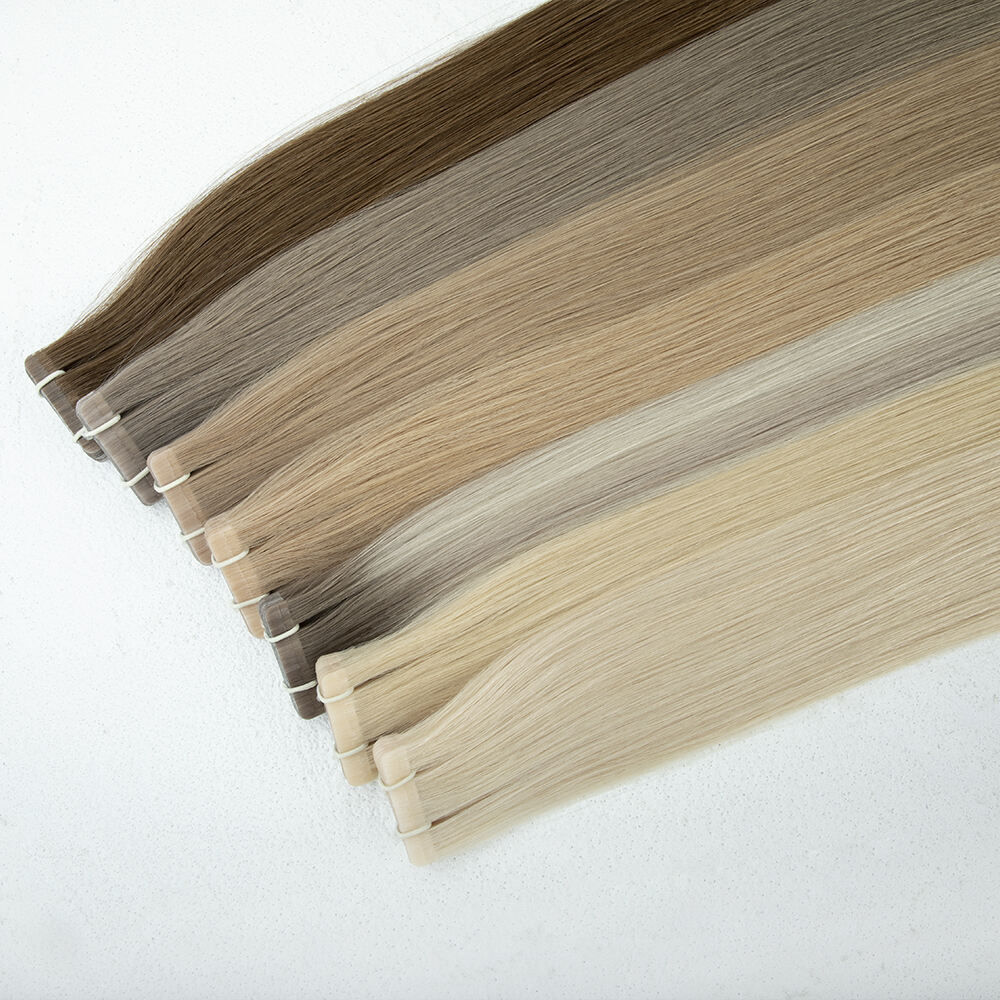

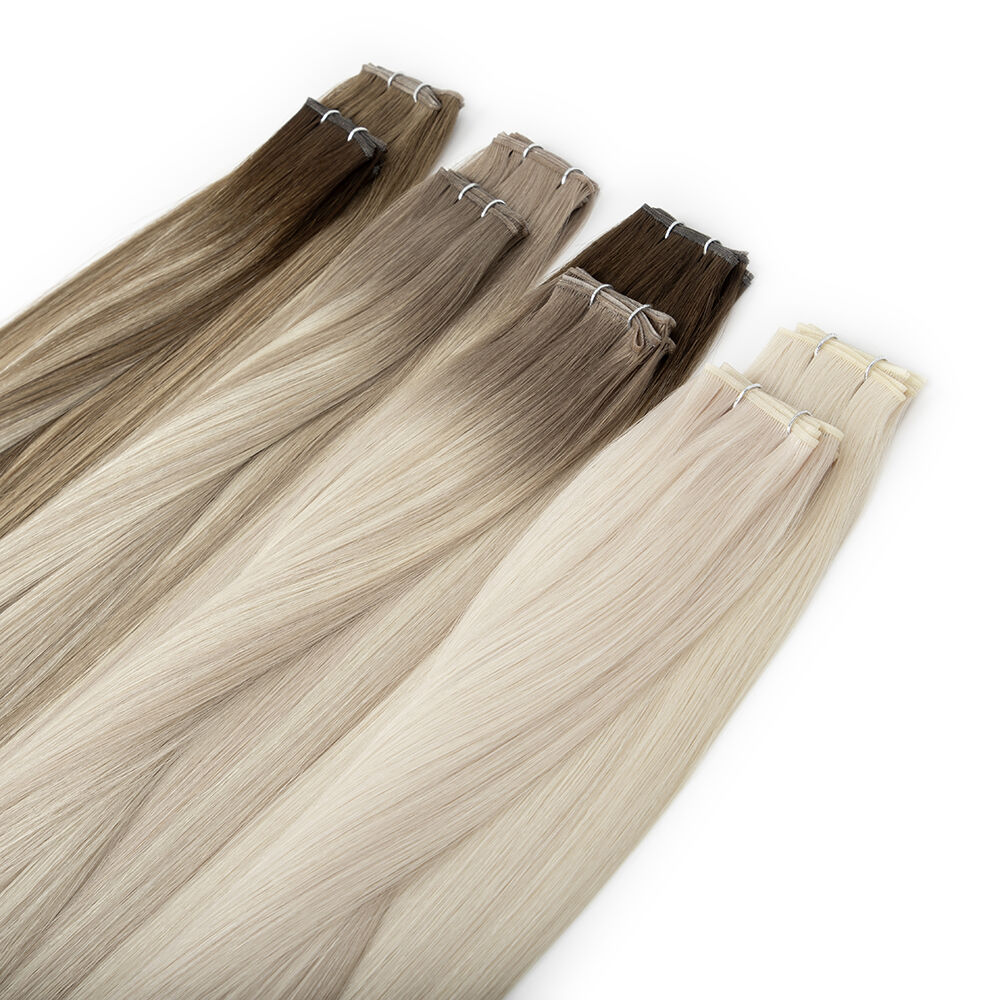
Tape hair extensions have revolutionized the way people achieve longer, fuller hair with minimal damage and maximum convenience. These innovative hair enhancement solutions offer a semi-permanent method that blends seamlessly with natural hair, providing instant transformation without the commitment of permanent alterations. Professional stylists and hair enthusiasts worldwide have embraced this technique for its versatility, natural appearance, and relatively gentle application process that preserves the integrity of existing hair.

The popularity of tape hair extensions stems from their unique adhesive system that creates strong bonds while remaining removable and reusable with proper care. Unlike traditional methods that rely on heat, chemicals, or mechanical attachments, tape extensions use medical-grade adhesive strips that distribute weight evenly across the scalp. This distribution prevents stress concentration points that could potentially damage natural hair follicles or cause discomfort during wear.
Understanding the proper techniques for application and maintenance ensures optimal results and longevity from your investment. Professional application typically yields the best outcomes, but many individuals successfully apply tape extensions at home with adequate preparation and knowledge. The key lies in understanding hair preparation, sectioning techniques, adhesive activation, and ongoing care protocols that preserve both the extensions and natural hair health throughout the wearing period.
Before beginning any tape extension application, thorough hair assessment determines whether your natural hair can support the additional weight and tension. Healthy hair with adequate density provides the ideal foundation for tape hair extensions, while damaged, chemically over-processed, or extremely fine hair may require preliminary treatment or alternative extension methods. Professional colorists recommend waiting at least two weeks after chemical treatments before applying tape extensions to ensure hair cuticles have fully recovered and can form strong adhesive bonds.
Hair length considerations play a crucial role in successful tape extension application, as natural hair should measure at least four inches to properly conceal the tape bonds. Shorter hair lengths may result in visible attachment points or inadequate coverage that compromises the natural appearance. Additionally, assessing hair texture helps determine the appropriate extension texture match, ensuring seamless blending between natural and added hair for undetectable results.
Proper hair cleansing forms the foundation of successful tape extension application, requiring clarifying shampoo to remove all product buildup, natural oils, and environmental residues that could interfere with adhesive bonding. Avoid using conditioner or any leave-in products during the pre-application wash, as these create barriers that prevent optimal tape adhesion. Thoroughly dry hair completely before beginning the application process, as moisture can compromise adhesive strength and lead to premature slipping or failure.
Sectioning preparation involves creating clean, horizontal partings that allow precise tape placement and even weight distribution. Professional stylists recommend using a rat-tail comb to create perfectly straight sections, typically spacing them one to two inches apart depending on hair density and desired volume increase. Having all necessary tools organized and within reach streamlines the application process and prevents adhesive exposure to air longer than necessary, which can reduce bonding strength.
Strategic sectioning creates the foundation for natural-looking results and comfortable wear throughout the extension lifespan. Begin sectioning at the nape of the neck, working systematically toward the crown while maintaining consistent spacing between tape placements. Each section should contain enough natural hair to adequately support the extension weight while ensuring the tape bonds remain completely hidden beneath the upper hair layers.
Placement positioning requires careful consideration of natural hair growth patterns and facial features to achieve the most flattering results. Avoid placing tapes too close to the hairline, particularly around the temples and forehead, where natural hair movement could expose the attachment points. Professional placement typically begins two to three inches back from the hairline, gradually working toward the crown while maintaining symmetrical positioning on both sides of the head.
Proper adhesive activation ensures maximum bonding strength and longevity for tape hair extensions. Remove protective backing just before application to prevent premature adhesive exposure, which can reduce bonding effectiveness. Press firmly but gently to activate the adhesive, applying consistent pressure for approximately ten to fifteen seconds to ensure complete contact between the tape, natural hair, and the corresponding upper tape piece.
Temperature consideration during application affects adhesive performance, as cold environments may require gentle warming to activate the bonding properties fully. Some professionals use low-heat tools to briefly warm the tape after placement, enhancing the initial bond formation. However, excessive heat can damage both natural hair and extension fibers, so temperature control remains critical throughout the application process.
Maintaining clean hair and extensions requires modified washing techniques that preserve adhesive bonds while removing buildup and maintaining hair health. Use sulfate-free shampoos specifically formulated for extended hair, as harsh detergents can weaken tape adhesion and cause premature slipping. Focus cleansing efforts on the scalp and hair lengths rather than directly scrubbing the tape attachment areas, which could disturb the bonds or create lifting.
Washing frequency should be reduced compared to natural hair routines, typically limiting sessions to two or three times per week to minimize adhesive stress. When washing, use lukewarm water rather than hot temperatures that can soften the tape adhesive and cause slipping. Apply conditioner only to the mid-lengths and ends of both natural and extension hair, carefully avoiding the root area and tape bonds to prevent product buildup that could compromise adhesion.
Heat styling requires special consideration when working with tape hair extensions, as excessive temperature can damage both the adhesive bonds and extension fibers. Always apply heat protectant products before using styling tools, focusing on the extension lengths while avoiding the tape areas. Set styling tools to lower temperatures than typically used for natural hair alone, as extensions may be more susceptible to heat damage depending on their processing history.
Brushing techniques play a crucial role in preventing tangling and maintaining the longevity of tape extensions. Use brushes specifically designed for extensions, starting from the ends and working gradually toward the roots while supporting the tape bonds with your free hand. Never brush aggressively through the tape areas, as this can cause lifting or premature loosening of the adhesive bonds.
Extension slipping represents one of the most common challenges with tape hair extensions, typically resulting from inadequate initial bonding, product buildup, or natural oil production that compromises adhesive strength. Early detection allows for repositioning before complete failure occurs, potentially salvaging the extensions and preventing damage to natural hair. Professional assessment helps determine whether slipping results from application errors or maintenance issues that can be corrected.
Prevention strategies include regular maintenance appointments every six to eight weeks, during which professionals can assess bond integrity and make necessary adjustments. Avoiding oil-based products near the root area and using dry shampoo instead of frequent washing can help maintain adhesive strength throughout the wearing period. When slipping occurs, immediate professional attention prevents further damage and allows for proper repositioning or replacement as needed.
Tangling issues often arise from inadequate brushing routines, sleeping without protection, or mixing different hair textures that create friction points. Prevention involves establishing consistent brushing schedules, using appropriate tools, and protecting hair during sleep with silk pillowcases or protective styles. When tangling occurs, patient detangling using appropriate products and techniques prevents damage to both natural hair and extensions.
Severe matting may require professional intervention to safely remove tangles without damaging the tape bonds or natural hair. Professional stylists have specialized tools and techniques for addressing complex tangling situations while preserving the integrity of the extensions and natural hair. Regular maintenance and proper care protocols significantly reduce the likelihood of severe tangling issues.
Regular assessment of extension condition helps determine optimal replacement timing and identifies potential issues before they become problematic. Quality tape hair extensions typically maintain their appearance and integrity for multiple applications when properly cared for and professionally maintained. Signs indicating replacement needs include excessive tangling, color fading, texture changes, or visible damage to the hair fibers that cannot be restored through conditioning treatments.
Professional evaluations during maintenance appointments provide expert assessment of both extension condition and natural hair health. Stylists can identify early warning signs of damage or stress that might not be apparent to the wearer, allowing for timely interventions that preserve hair health and extend the lifespan of the extensions.
Professional removal ensures safe extraction of tape extensions without damaging natural hair or compromising the reusability of quality extensions. Specialized removal solutions dissolve the adhesive bonds gradually, allowing gentle separation without pulling or breaking natural hair. Attempting DIY removal without proper products and knowledge risks significant damage to natural hair and renders extensions unusable for future applications.
Reapplication procedures follow similar protocols to initial installation but may require fresh tape strips and thorough cleaning of both natural hair and extensions. Quality extensions can typically be reused multiple times with proper care and professional handling, making them a cost-effective long-term hair enhancement solution when properly maintained throughout their lifespan.
Quality tape hair extensions can last six to eight weeks per application, with high-quality extensions being reusable for multiple applications over several months. The total lifespan depends on factors including initial hair quality, maintenance routines, styling frequency, and professional care. With proper care, premium extensions may be reapplied three to five times before requiring replacement, making them a cost-effective long-term solution for hair enhancement.
When professionally applied and properly maintained, tape hair extensions pose minimal risk to natural hair health. The key lies in proper application techniques, regular maintenance appointments, and adherence to recommended care protocols. Damage typically occurs from improper application, inadequate maintenance, or attempting DIY removal without professional guidance. Quality extensions and professional handling ensure safe, damage-free wear throughout the extension lifespan.
Avoid oil-based products, sulfate-containing shampoos, alcohol-based styling products, and heavy conditioning treatments near the tape bonds. These products can compromise adhesive strength and cause premature slipping or failure. Additionally, avoid products containing silicones or waxes that create buildup around the attachment points. Stick to extension-safe, sulfate-free formulations specifically designed for use with tape hair extensions.
Professional maintenance appointments should be scheduled every six to eight weeks to assess bond integrity, address any issues, and potentially reposition or replace extensions as needed. More frequent appointments may be necessary for individuals with faster hair growth, active lifestyles, or specific hair conditions that affect extension performance. Regular professional care significantly extends extension lifespan and maintains optimal appearance throughout the wearing period.

Qingdao LeShine Hair Products Co., Ltd. specializes in premium hair extensions made from 100% Remy cuticle-intact human hair. With over 32 years of experience, we offer durable, tangle-free extensions and customized solutions for customers in 164 countries.