 EN
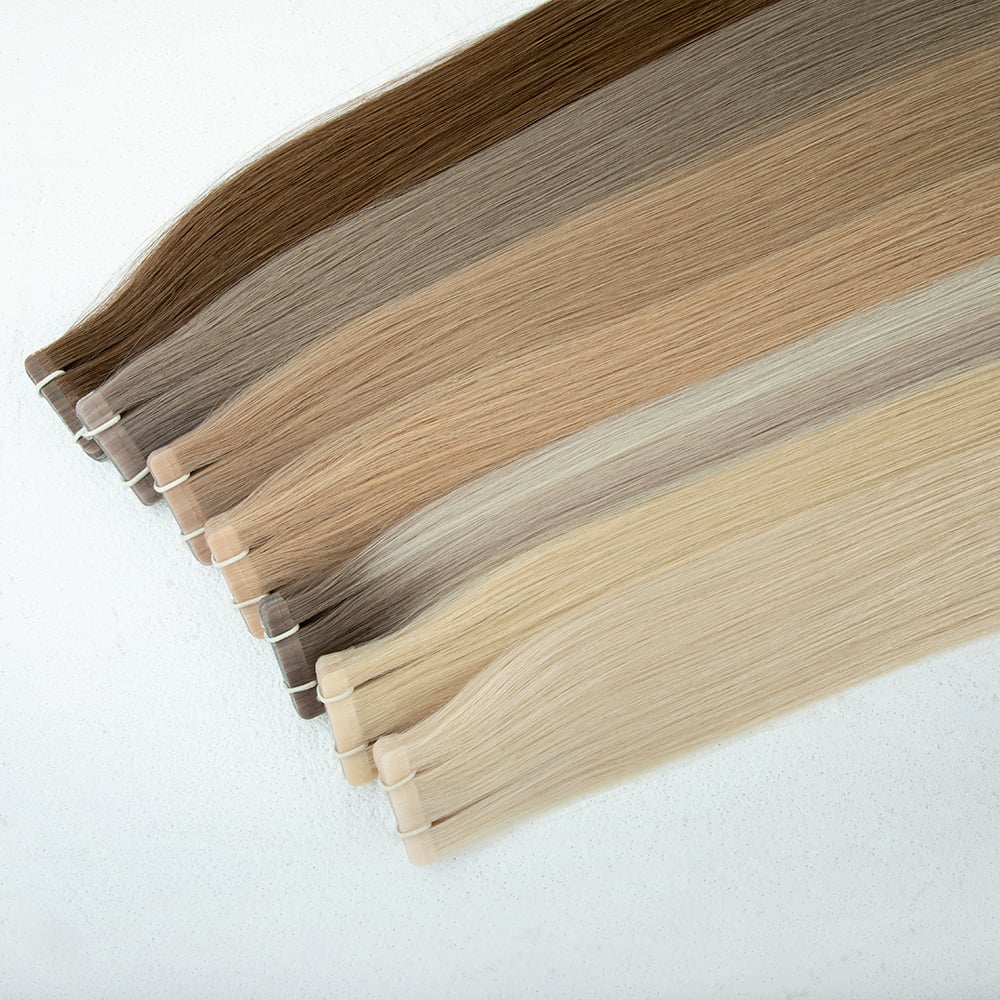

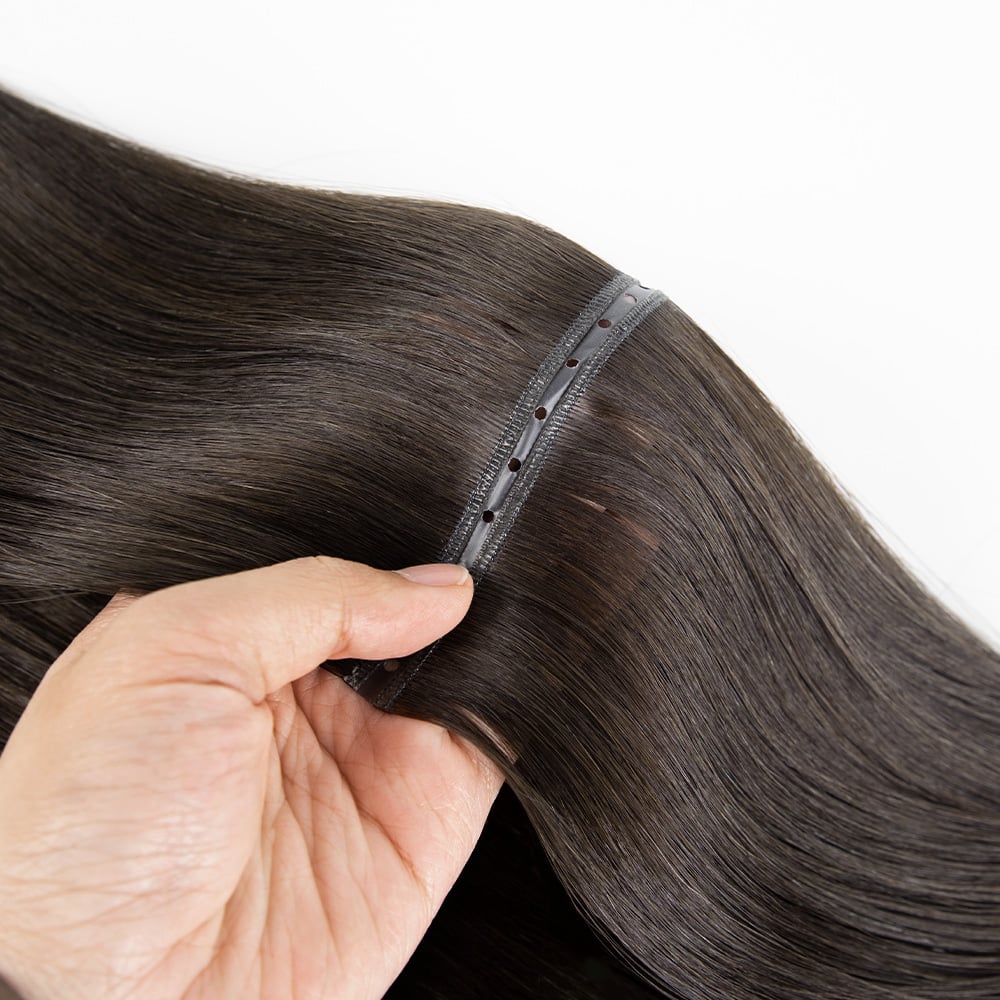
Selecting the right pre bonded hair extension manufacturer is one of the most critical decisions a salon owner, stylist, or distributor can make. The quality of your inventory directly impacts client satisfaction, retention rates, and your business reputation. Unlike generic hair products, pre-bonded extensions require specialized manufacturing expertise, precise bonding techniques, and rigorous quality control. Your choice of manufacturer will determine whether you offer premium, long-lasting products or compromise on durability and client outcomes.
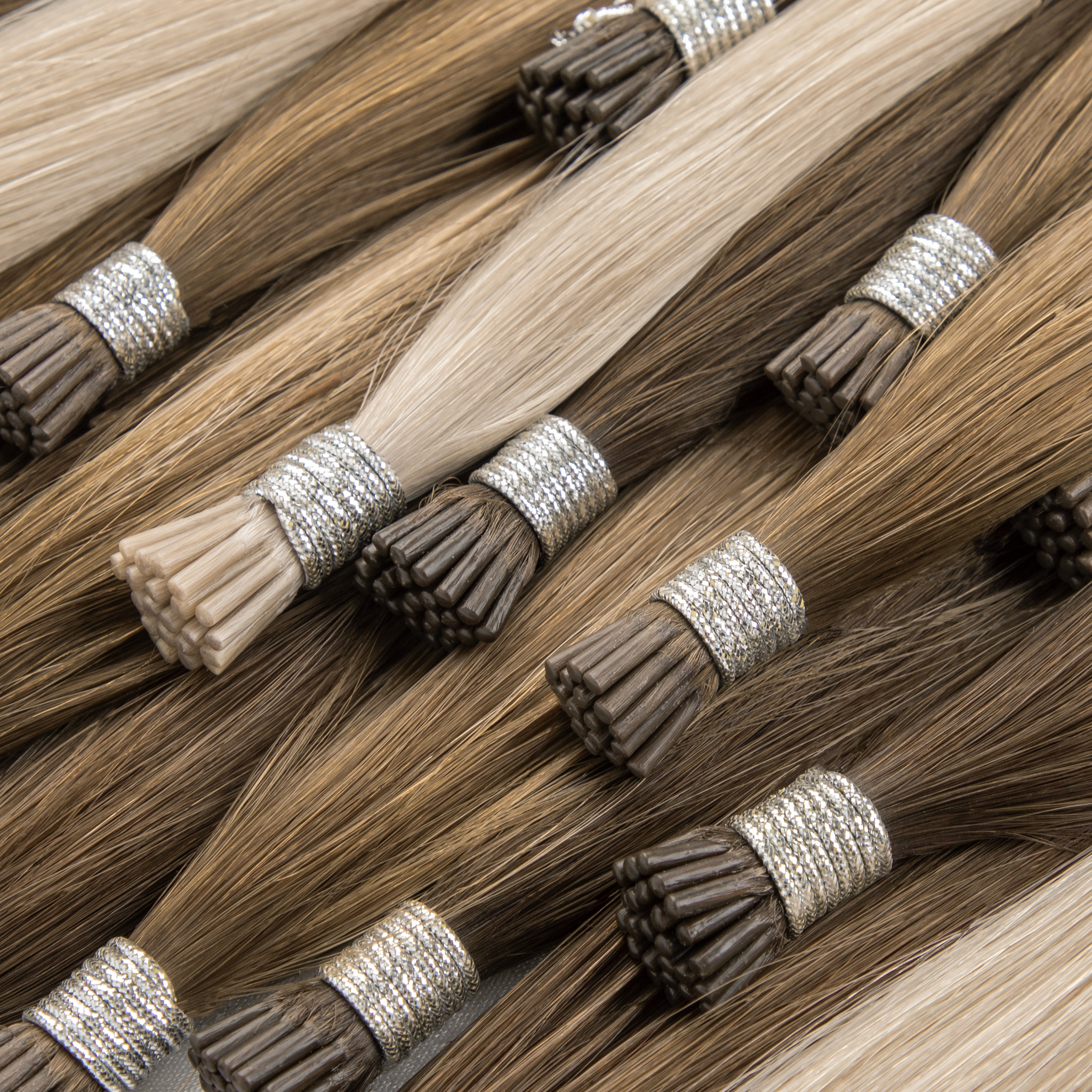
Understanding what separates a reliable human hair extensions manufacturer from mediocre suppliers requires examining multiple dimensions. Product consistency, bonding adhesive quality, hair sourcing ethics, manufacturing certifications, and responsive customer service all contribute to partnership success. Buyers often face pressure to minimize costs, but working with an established human hair extensions factory ensures you receive consistent quality that justifies premium pricing and builds customer loyalty over time.
A reputable human hair extensions supplier sources raw hair from ethical, traceable origins. Virgin, unprocessed hair commands higher prices but delivers superior longevity and styling versatility compared to recycled or chemically processed alternatives. The best human hair extensions manufacturer maintains direct relationships with hair collection facilities, ensuring consistent diameter, cuticle alignment, and color uniformity. Hair grading systems—from single-drawn to double-drawn and triple-drawn—directly affect the final product appearance and price point. When evaluating a manufacturer, request detailed documentation about hair sourcing, grading standards, and quality certifications to confirm they meet your brand positioning.
How a human hair extensions factory processes raw hair significantly impacts durability and wearability. Proper sterilization eliminates pathogens without compromising hair integrity, while pH-balanced treatments preserve natural elasticity. Poor processing leads to frizz, tangling, and premature breakage—issues that damage client relationships and generate negative reviews. Leading manufacturers employ certified chemists, use pharmaceutical-grade processing agents, and conduct rigorous testing before bonding. Request information about processing protocols, chemical specifications, and quality testing results. This transparency separates genuine human hair extensions manufacturers from companies cutting corners to compete on price alone.
The bonding adhesive determines how long pre-bonded extensions remain secure and how comfortably clients can wear them. Premium manufacturers use medical-grade, keratin-based adhesives that provide strong hold without damaging natural hair or feeling heavy. Inferior adhesives fail prematurely, creating service callbacks and warranty claims that strain your business relationship with the manufacturer. A human hair extensions supplier worth partnering with provides detailed adhesive composition, biocompatibility testing, and longevity data. Ask about heat resistance, flexibility at temperature extremes, and compatibility with standard styling treatments. Extensions should maintain their bond through shampooing, blow-drying, and heat styling for the promised wear duration, typically four to eight weeks.
Consistency separates professional-grade products from commodity alternatives. An established human hair extensions factory employs automated and manual quality checkpoints at every production stage. Each batch should be tested for bond strength, weight distribution, hair alignment, and color consistency before shipment. Request information about batch testing protocols, defect rates, and how the manufacturer handles quality failures. Ask whether they maintain ISO certifications or other third-party quality standards. A human hair extensions wholesale supplier with strong quality control minimizes costly returns, ensures client satisfaction, and builds your reputation as a reliable professional partner.
Competitive wholesale pricing from a human hair extensions wholesale provider should reflect volume commitments, not undermine manufacturing standards. As a buyer, evaluate pricing tiers—how costs decrease with order volume and whether minimum order quantities align with your business capacity. Negotiate payment terms that balance cash flow needs with manufacturer profitability; 30, 60, or 90-day payment windows are common in the industry. Some manufacturers offer consignment arrangements or flexible return policies for unsold inventory, reducing your financial risk. Compare total cost of ownership across vendors, factoring in freight, import duties if applicable, quality consistency, and warranty coverage. The cheapest human hair extensions manufacturer often becomes the most expensive once you account for returns, callbacks, and lost clients.
A professional human hair extensions manufacturer maintains responsive communication channels and stands behind product performance. Evaluate response times to inquiries, availability of product documentation, and willingness to troubleshoot issues collaboratively. Ask about warranty terms—what defects are covered, who bears return shipping costs, and how quickly replacements ship. Confirm whether the manufacturer provides styling guides, installation training, or technical support for stylists using their extensions. This support reduces installation errors and client dissatisfaction linked to product misuse. A reliable human hair extensions supplier views you as a long-term partner, not merely a transaction, and invests in your success through proactive communication and problem-solving.
Look for ISO 9001 quality management certification, which indicates standardized manufacturing processes and quality control. Some manufacturers hold certifications from dermatological testing labs confirming product safety and biocompatibility. Environmental certifications demonstrate sustainable processing practices. Request copies of third-party testing reports, including FDA compliance documentation if applicable. Certifications from the human hair extensions factory validate investment in quality and regulatory compliance, reducing your liability risk as a retailer or stylist.
Request sample products for hands-on evaluation—assess tangling, shedding, color consistency, and weight distribution. Ask for microscopic hair analysis reports showing cuticle alignment and diameter uniformity. Request documentation of third-party testing for chemical residues or processing damage. Contact the human hair extensions manufacturer's existing clients as references and ask about their long-term experience. Professional suppliers welcome detailed inspection because their product quality speaks for itself; those hesitant to provide evidence typically have something to hide.
Minimum order quantities vary widely depending on the manufacturer and product type. Most human hair extensions wholesale suppliers require orders between 50 and 200 units per SKU, representing one to four months of typical salon inventory. Some manufacturers offer lower minimums for trial orders or established partnerships. Negotiate based on your business scale—larger commitments often unlock better pricing from the human hair extensions factory. Discuss flexibility regarding order timing and whether the manufacturer accommodates smaller reorders at slightly higher unit costs to support your growth phase.

Qingdao LeShine Hair Products Co., Ltd. specializes in premium hair extensions made from 100% Remy cuticle-intact human hair. With over 32 years of experience, we offer durable, tangle-free extensions and customized solutions for customers in 164 countries.