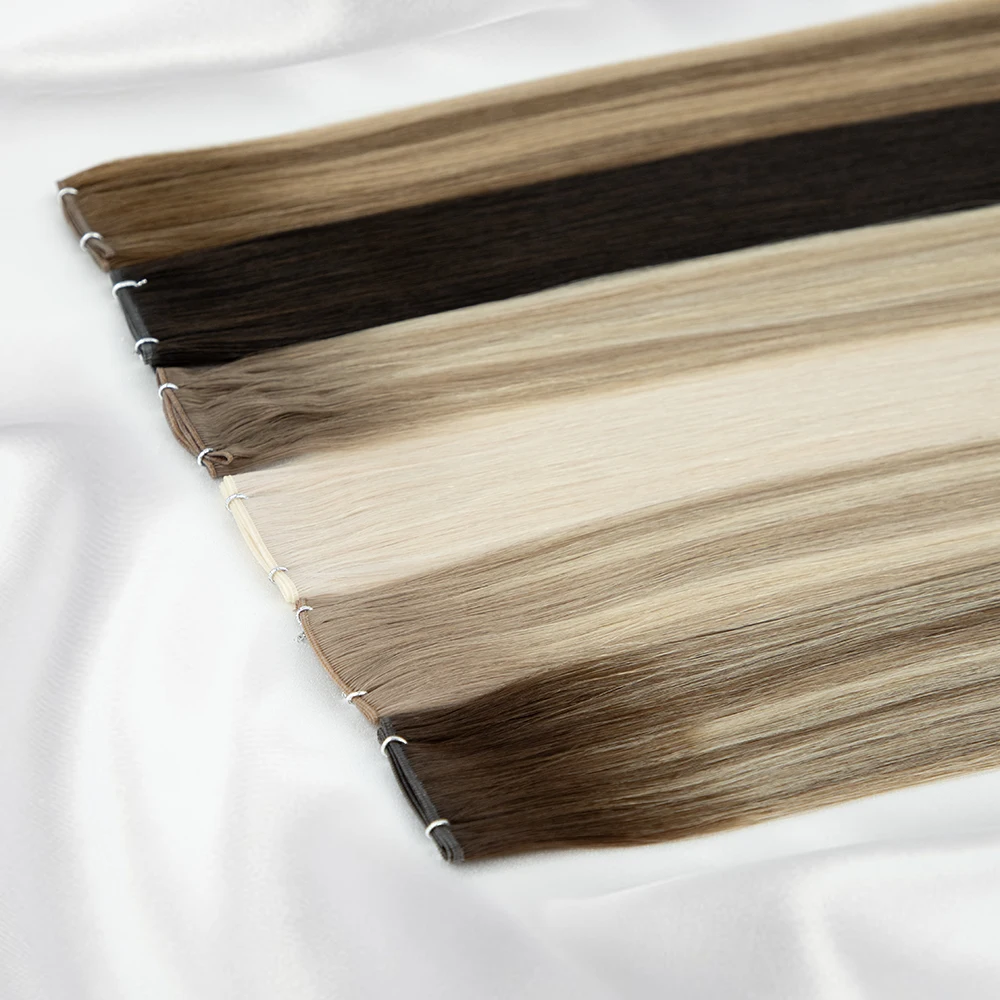
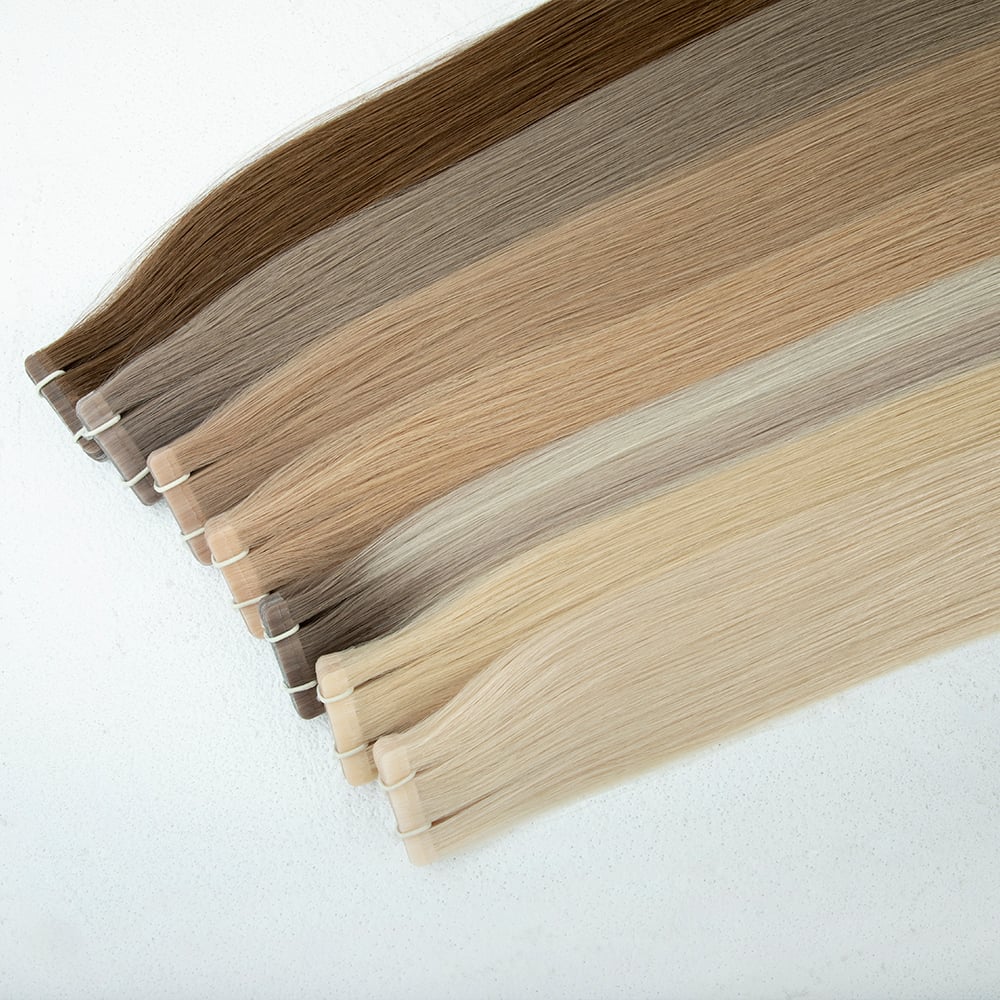
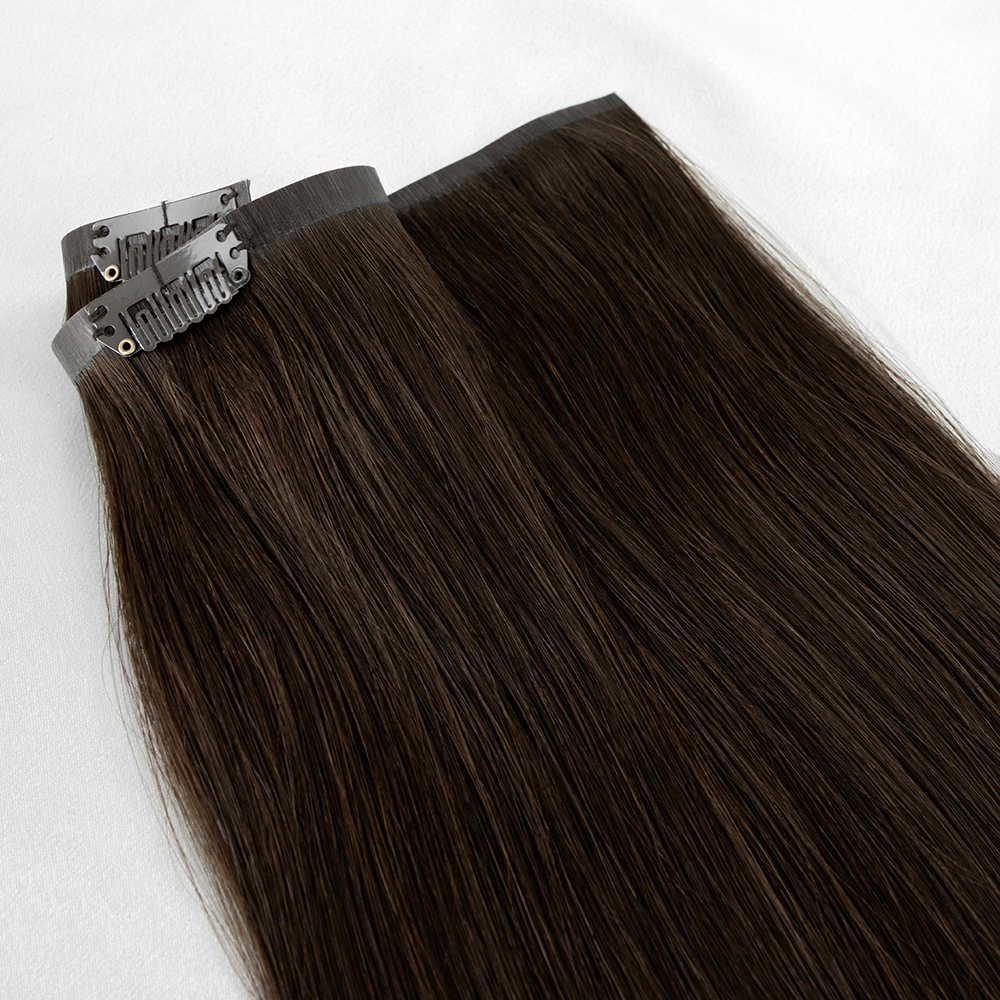
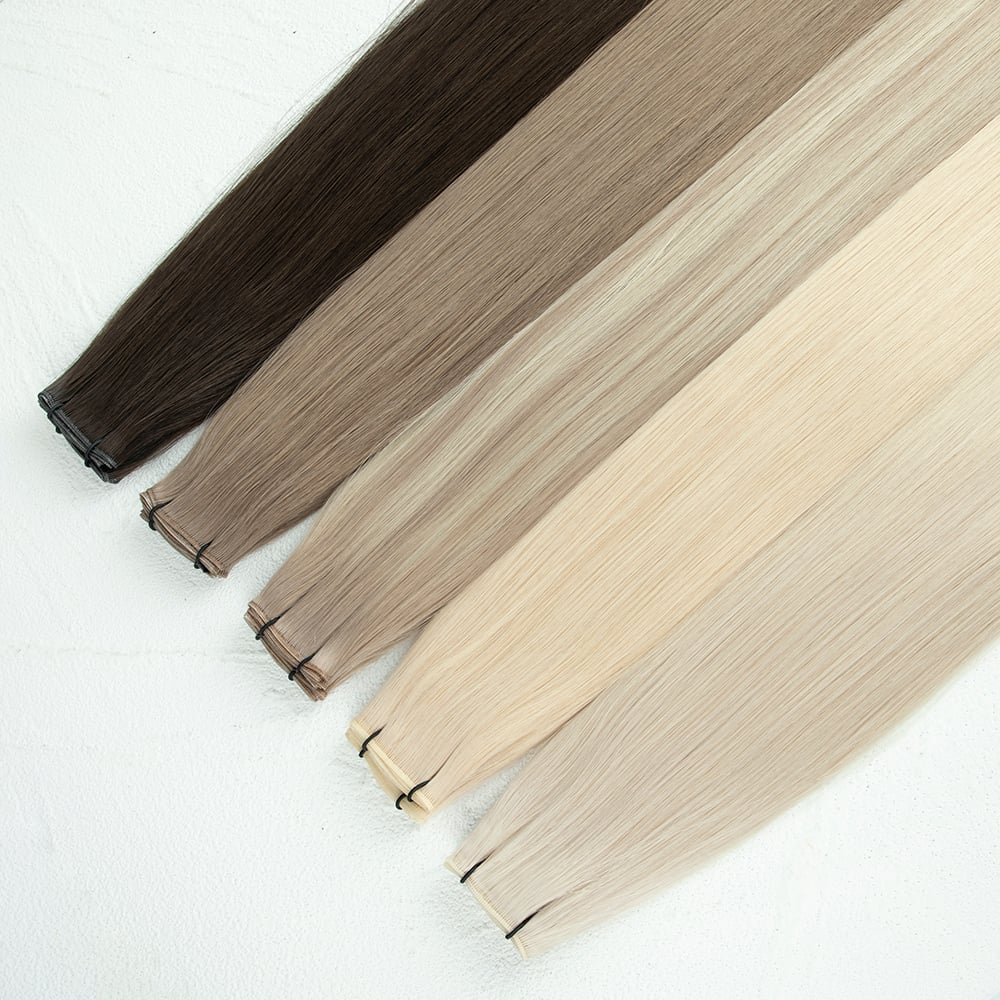
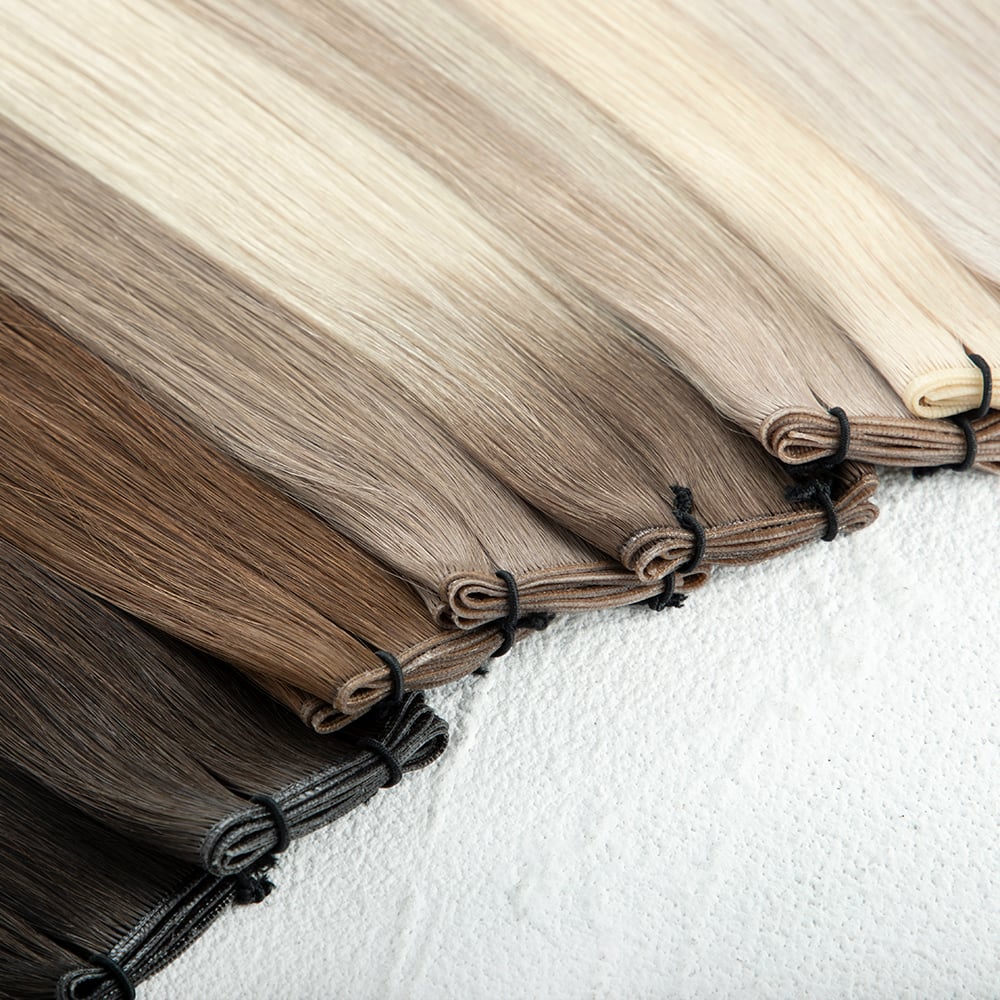
invisible weft
The invisible weft represents a revolutionary advancement in textile and weaving technology, designed to create seamless fabric surfaces with exceptional aesthetic appeal. This innovative invisible weft technology integrates hidden structural elements into fabric construction, eliminating visible weave patterns that traditionally characterize woven materials. The invisible weft functions by incorporating ultra-fine yarns or specialized fiber arrangements beneath the fabric surface, maintaining structural integrity while delivering a smooth, uninterrupted appearance. The primary function of invisible weft systems involves distributing tension evenly across fabric width during production, preventing the common defects like skewing and puckering that plague conventional weaving methods. Technologically, invisible weft implementations utilize advanced loom systems equipped with precision yarn tensioning mechanisms and automated weaving controls. These systems employ computer-guided weaving patterns that coordinate thread movement with remarkable accuracy, ensuring consistent fabric quality throughout production runs. The invisible weft technology features real-time monitoring systems that detect and correct weaving irregularities instantaneously. Applications for invisible weft technology span luxury textiles, high-performance apparel, upholstery fabrics, and technical textiles requiring superior aesthetic standards. Fashion designers increasingly specify invisible weft fabrics for premium collections where surface perfection directly impacts product perception and value. Industrial applications include automotive interiors, aerospace composites, and medical textile products where invisible weft construction provides both visual excellence and functional reliability. The invisible weft methodology represents a significant leap forward in fabric engineering, combining traditional weaving principles with cutting-edge automation and material science innovations.

 EN
EN