 EN

Selecting the right hair extensions ODM supplier is one of the most critical decisions a buyer can make in the beauty and personal care industry. Quality directly impacts your brand reputation, customer satisfaction, and long-term profitability. A reliable partner ensures consistent product standards, timely delivery, and compliance with international regulations. However, evaluating supplier quality goes far beyond checking price quotes. It requires a systematic approach to assess manufacturing capabilities, material sourcing, quality control processes, and business reliability.
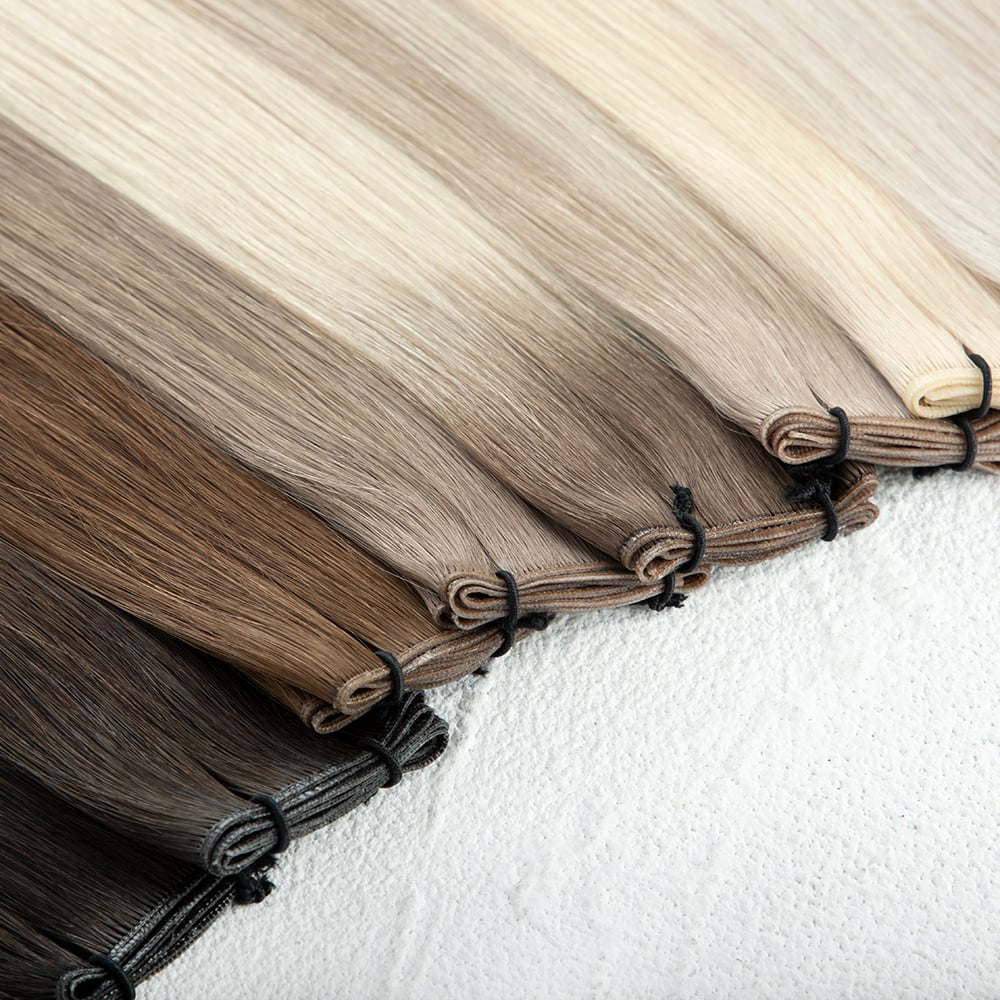
Understanding what distinguishes a quality human hair extensions manufacturer from mediocre producers can save your business from costly mistakes. Many buyers focus exclusively on price, only to discover later that cheap suppliers cut corners on material authenticity, workmanship, and testing protocols. This guide walks you through the key evaluation criteria that professionals use to identify trustworthy partners capable of delivering premium products that meet market demands and regulatory standards.
The foundation of any quality human hair extensions manufacturer starts with where and how raw materials are sourced. Request detailed documentation about hair origins, collection methods, and whether the supplier maintains direct relationships with hair collection centers. Quality human hair extensions supplier operations source virgin or ethically collected hair that undergoes rigorous testing for purity and contamination. Ask for certificates of authenticity and batch traceability systems that can document the supply chain from collection through processing.
Legitimate human hair extensions factory operations will have transparent sourcing policies and can explain their quality assurance steps at each stage. They should provide test results showing the hair is free from synthetic fibers, chemical residues, and harmful substances. Request samples from different production batches to evaluate consistency in texture, color retention, and durability. A professional human hair extensions wholesale partner will willingly share this information and explain their sourcing philosophy.
Processing methods dramatically affect the final product quality and longevity. Quality suppliers implement standardized washing, drying, and sorting procedures that preserve hair structure and minimize damage. Inquire about their processing temperatures, chemical treatments used, and whether they employ virgin hair processing techniques. A reputable human hair extensions ODM supplier will explain how their methods differ from lower-cost alternatives and demonstrate that their approach extends product lifespan and maintains natural appearance.
Ask for documentation of their processing environment, including cleanliness standards and equipment maintenance schedules. Quality human hair extensions manufacturer facilities employ controlled humidity and temperature conditions to prevent hair deterioration. Request information about their waste management practices and whether they recycle or repurpose hair byproducts responsibly. These details reveal a supplier's commitment to quality and sustainability.
A professional human hair extensions factory should welcome facility inspections or provide comprehensive virtual tours of their production areas. Request ISO certifications, FDA compliance documentation, and any industry-specific quality standards relevant to your market. Quality human hair extensions supplier operations maintain certifications such as ISO 9001 for quality management and ISO 14001 for environmental responsibility. These certifications demonstrate that their processes meet internationally recognized standards and undergo regular third-party audits.
During facility evaluation, assess cleanliness standards, worker safety protocols, and equipment quality. Observe how staff handle materials, whether production areas are organized systematically, and if quality control stations are visible throughout the facility. A credible human hair extensions wholesale provider will have documented standard operating procedures for every production step, from raw material receiving through final packaging. Request their quality control documentation, including testing frequency, pass-fail criteria, and corrective action procedures.
Evaluate whether the human hair extensions ODM supplier has adequate capacity to handle your current and projected future orders without compromising quality. Ask about their production timeline, maximum monthly capacity, and how they manage rush orders. Request references from other buyers to confirm whether the supplier consistently meets deadlines and maintains quality during peak production periods. A quality human hair extensions manufacturer maintains detailed production schedules and inventory management systems to prevent delays or quality fluctuations.
Inquire about their backup suppliers for critical materials and their contingency plans for production disruptions. Ask how they handle quality issues discovered after production begins and whether they have a clear protocol for recalls or replacements. A reliable human hair extensions supplier demonstrates proactive risk management and transparent communication when problems arise.
Request detailed information about the testing procedures that every human hair extensions factory applies to finished products. Quality suppliers implement tensile strength testing to measure durability, color fastness testing to verify dye stability, and thermal resistance testing for heat styling compatibility. Ask for test reports on sample batches and inquire about their testing frequency. A professional human hair extensions wholesale operation tests every production batch rather than just spot-checking, ensuring consistent quality across all units.
Inquire about third-party testing capabilities and whether the human hair extensions manufacturer uses independent laboratories for verification. Ask about their testing for tangles, shedding rates, and hair slip during wear. Request documentation of their durability standards and how they compare to industry benchmarks. Understanding their testing methodology and standards demonstrates their commitment to delivering products that meet buyer expectations and regulatory requirements.
A quality human hair extensions ODM supplier maintains comprehensive documentation linking every finished product to its raw materials and production batch. Request information about their batch numbering systems, production date tracking, and how they manage product recalls if issues emerge. Ask whether they maintain long-term storage of test results and whether you can access this documentation for your own quality verification and customer service purposes.
Evaluate their record-keeping practices for raw material suppliers, production modifications, and quality improvements over time. A credible human hair extensions supplier demonstrates that they learn from each production cycle and implement continuous improvements. Request examples of how they've addressed previous quality issues and what systemic changes they implemented to prevent recurrence.
Before committing to a long-term partnership with a human hair extensions manufacturer, assess their financial stability and business sustainability. Request information about their company history, ownership structure, and whether they've experienced significant changes in recent years. Ask about their customer retention rates and whether they maintain long-term relationships with established brands. A stable human hair extensions wholesale partner demonstrates consistent growth and profitability without risky financial practices.
Inquire about their payment terms, minimum order quantities, and pricing structure. Understand whether they offer volume discounts and how transparent they are about cost breakdowns. Request references from established buyers and contact them directly to confirm the supplier's reliability and the quality of their communication throughout the business relationship.
A quality human hair extensions ODM supplier demonstrates excellent communication and genuine customer support beyond the initial sale. Evaluate their response time to inquiries, their willingness to customize products to your specifications, and their commitment to solving problems collaboratively. Ask how they handle technical questions, complaints, or returns, and whether they have a dedicated account manager for your business.
Test their responsiveness by submitting multiple questions before making a commitment. Observe whether they provide detailed, thoughtful answers or generic responses. A professional human hair extensions supplier recognizes that supporting buyer success is essential to long-term partnership and business growth.
Leading human hair extensions factory operations typically hold ISO 9001 certification for quality management systems and ISO 14001 for environmental responsibility. Many also maintain FDA compliance documentation, REACH certification for chemical safety in European markets, and industry-specific standards relevant to their target markets. Request these certifications and verify them independently through the issuing bodies. Additional certifications in worker safety and fair labor practices further demonstrate a supplier's commitment to responsible manufacturing.
Request product samples, test reports, and references from other established buyers who can speak to the quality and consistency they've experienced. Ask for detailed documentation of their testing procedures, raw material sourcing, and production standards. A reliable human hair extensions ODM supplier will provide all of this information willingly and transparently. Consider conducting a small pilot order first to evaluate quality, delivery timelines, and communication before committing to larger volumes.
Request comprehensive information about their raw material sourcing, including the geographic origins of their hair, collection methods, and supplier relationships. Ask about their processing standards, quality control checkpoints, production capacity, and inventory management systems. Inquire about backup suppliers and contingency plans for material shortages. A transparent human hair extensions supplier will provide detailed supply chain documentation and explain how they maintain consistency and reliability throughout their operations.

Qingdao LeShine Hair Products Co., Ltd. specializes in premium hair extensions made from 100% Remy cuticle-intact human hair. With over 32 years of experience, we offer durable, tangle-free extensions and customized solutions for customers in 164 countries.