 EN

Selecting the right hair extensions OEM factory is one of the most critical decisions a buyer can make in the beauty industry. The factory you choose directly impacts product quality, delivery timelines, cost structure, and ultimately your brand reputation. With numerous human hair extensions manufacturers and suppliers competing for business, understanding which evaluation criteria matter most will help you identify a partner that aligns with your business objectives and customer expectations.
Beyond surface-level pitch and promotional claims, serious buyers need to dig deeper into operational capabilities, quality assurance systems, and financial stability. A human hair extensions supplier that looks promising on the website may lack the consistency, certifications, or ethical sourcing practices your brand requires. This guide walks through the essential factors that distinguish reliable manufacturers from problematic ones, helping you make an informed partnership decision.
Production capacity is foundational to any partnership with a human hair extensions factory. Before evaluating specific manufacturers, you need clarity on your own volume needs, both current and projected over the next 12 to 24 months. A factory with capacity to produce 10,000 units monthly may be perfectly suited for a small brand but could underserve a rapidly growing distributor. Conversely, oversizing your supplier relationship wastes opportunity and may result in inflated minimum order quantities that strain your cash flow.
Discuss with potential suppliers not only their current production output but also their machinery, staffing levels, and ability to expand. Ask for documentation of recent production runs and typical lead times at various volume thresholds. A reliable human hair extensions manufacturer should provide transparent capacity maps and honest assessment of peak periods when delays are more likely. Verify that their production timeline aligns with your seasonal demand and sales forecasts.
Minimum order quantities (MOQs) vary significantly across human hair extensions wholesale suppliers. Some factories impose steep MOQs to justify setup costs, while others offer lower minimums to capture emerging brands. Your negotiating position depends on your projected volumes and the factory's current demand. A human hair extensions supplier willing to work with lower MOQs early in your partnership, with tiered pricing that rewards growth, demonstrates customer-focused thinking and reduces your initial risk exposure.
Ask about their flexibility regarding custom orders, rush requests, and production schedule adjustments. A factory that cannot accommodate minor shifts or unexpected demand changes may create friction when market conditions shift. Request references from other clients to understand how the factory behaves when orders are cancelled, rescheduled, or modified mid-production.
The origin and processing of hair directly determines the quality of finished human hair extensions. Premium manufacturers source hair ethically and maintain rigorous sorting, washing, and conditioning processes. Ask your potential human hair extensions factory partner about their hair sourcing regions, supplier relationships, and quality benchmarking standards. Hair quality varies between geographic regions due to natural characteristics, and reputable factories have clear sourcing strategies that align with their product positioning.
Request samples across multiple production batches to assess consistency. Variations in color, texture, cuticle alignment, and durability between batches indicate weak quality control. A human hair extensions manufacturer committed to excellence will have predictable, repeatable results and documented quality metrics. Inquire about their return and complaint resolution process, as this reflects confidence in their product and responsiveness to client concerns.
Regulatory compliance matters increasingly in the beauty industry, particularly regarding health and safety certifications. Verify that your potential human hair extensions OEM factory holds relevant certifications such as ISO standards, export compliance documentation, and regional beauty product certifications. Some markets require specific testing reports, heavy metal screening, or microbial analysis before products can be legally sold. A reputable factory will have these certifications readily available and factored into their pricing.
Ask about their quality management systems, including testing frequency, batch documentation, and traceability protocols. A human hair extensions supplier with robust traceability can pinpoint when and where issues occurred if complaints arise, enabling faster corrective action and demonstrating professionalism that protects both parties.
Price is significant, but the cheapest human hair extensions wholesale provider is not always the best value. A factory offering unrealistically low prices may compromise quality, delay shipments, or use deceptive practices. Request detailed cost breakdowns showing material costs, labor, overhead, packaging, and margin. This transparency helps you understand whether pricing is sustainable and where potential issues might hide. Compare quotes from multiple human hair extensions suppliers on identical specifications to benchmark market rates.
Negotiate terms that work for both parties. Many factories offer tiered pricing for higher volumes, which incentivizes your growth while protecting their margin. Some human hair extensions manufacturers offer extended payment terms (30, 60, or 90 days) for established clients, while others require deposits or prepayment. Understanding these terms upfront prevents cash flow surprises and helps you structure your own client pricing accordingly.
A factory's financial health directly affects their ability to fulfill orders and remain a long-term partner. Before committing significant capital, research the factory's business registration, any history of disputes, and payment method options. Reputable human hair extensions manufacturers accept secure payment methods such as letters of credit, escrow, or verified payment processors. Avoid factories that only accept wire transfers to personal accounts or demand payment before providing samples.
Request references from at least three existing clients and follow up directly with them about payment reliability, delivery consistency, and responsiveness. A factory with a strong reputation among current clients demonstrates financial stability and business maturity. Additionally, consider working with a trade intermediary or using third-party inspection services for large initial orders to verify shipment contents match your specification before final payment.
Effective communication is essential when working with a human hair extensions OEM factory, especially if language or timezone differences exist. Evaluate how quickly and thoroughly the factory responds to your inquiries during the evaluation phase. Assign a dedicated contact person and establish clear communication protocols for questions, change requests, and issue resolution. A responsive human hair extensions supplier demonstrates professionalism and reduces the likelihood of misunderstandings that damage product quality or delivery timelines.
Test their communication during sample development. How do they handle your feedback? Do they implement requested adjustments promptly? Do they provide updates proactively or only when you ask? A human hair extensions manufacturer that treats the sample phase seriously and communicates transparently will likely maintain that standard throughout your partnership, reducing friction and building confidence in your collaboration.
Beyond immediate product needs, consider whether the factory views your relationship as a long-term partnership. Factories that invest in understanding your brand, market positioning, and growth goals tend to become more valuable partners over time. They may offer innovations, custom solutions, or favorable terms as your volumes grow. Conversely, factories that treat every order as a transactional item lack motivation to solve problems collaboratively or invest in your mutual success.
Discuss your brand vision and growth trajectory with the factory. Ask how they plan to support your expansion and whether they have capacity roadmaps aligned with industry growth trends. A factory that engages thoughtfully with your strategy and shares their own five-year outlook demonstrates commitment to building a sustainable relationship rather than simply processing orders.
A reputable human hair extensions factory should hold ISO certifications, export compliance documentation, and regional beauty product certifications relevant to their target markets. Many factories obtain testing reports for heavy metals, microbial analysis, and ingredient safety. Ask for documentation of these certifications and verify their validity through issuing organizations. Compliance varies by destination country, so clarify which certifications matter most for your target market.
Request at least three samples at different production stages to assess consistency from a human hair extensions supplier. Test samples for texture, color accuracy, durability, and packaging quality. Allow sufficient time to evaluate performance and gather feedback from colleagues or trusted advisors. Most factories provide samples free or at nominal cost, so requesting multiple batches is reasonable due diligence that protects your brand reputation.
Secure payment methods include letters of credit, escrow services, and verified payment processors that offer buyer protection. Avoid wire transfers to personal accounts or prepayment without documented recourse. For first-time orders, many buyers use third-party inspection services to verify shipment contents before releasing final payment. Negotiate payment terms upfront and document them in writing to prevent misunderstandings with your human hair extensions supplier.

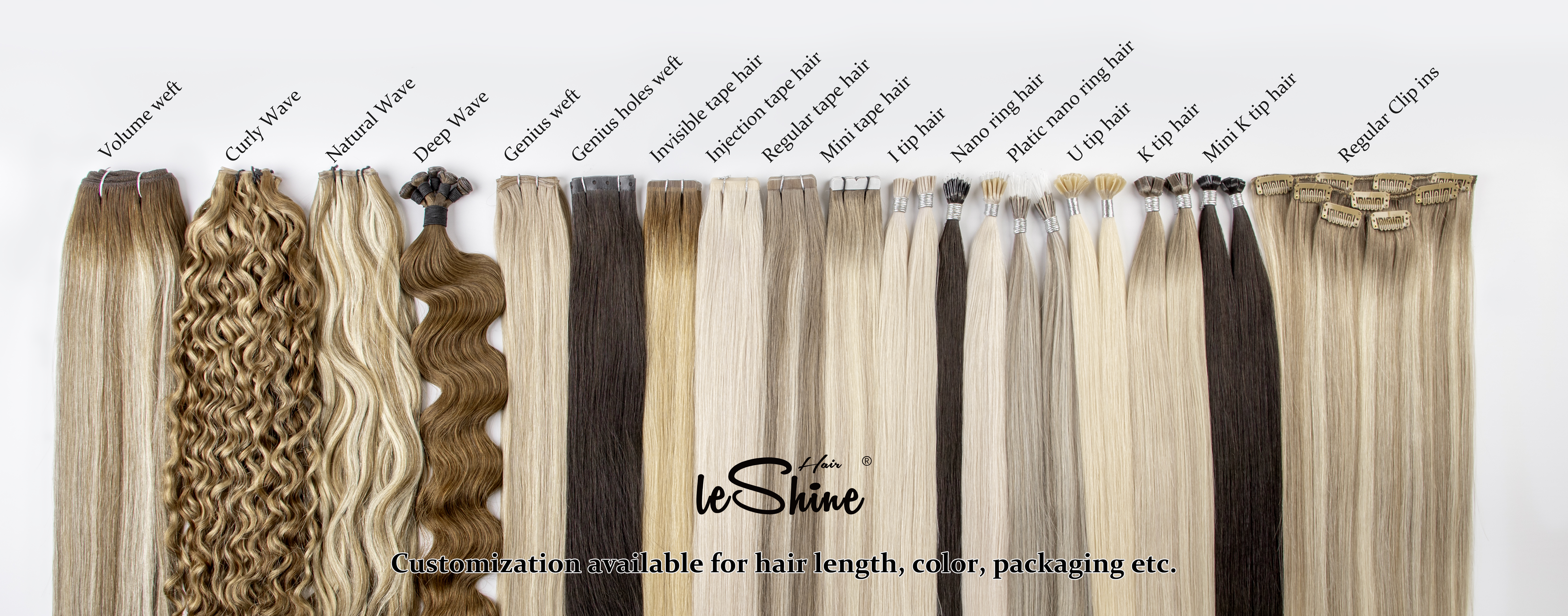
Qingdao LeShine Hair Products Co., Ltd. specializes in premium hair extensions made from 100% Remy cuticle-intact human hair. With over 32 years of experience, we offer durable, tangle-free extensions and customized solutions for customers in 164 countries.